|
Drug checking ‘important response’ to record deaths |
Related newsSafe consumption rooms key for drug harms Barriers remain in accessing residential rehab ‘Encouraging’ change in corner shop alcohol habits Briefing: The 5-year plan for NHS, care and science Patient and Public Involvement 2027 showcase Island paramedics get new point of care diagnostics Law change needed for Scotland’s drug crisis Medics warn pollution is risking children’s health Glasgow joins street drug-checking scheme Cancer workforce “not on right trajectory” Support grows for LEZs in Scotland Safe consumption rooms key for drug harms 
|
|
|
||
|
||
|
Researchers are looking at how drug testing services could be rolled out in Scotland, after seven consecutive years of rising drug-related deaths.
The two-year project is set to conclude with an evaluation report in January 2023 and aims to facilitate development of drug checking facilities, initially across Glasgow, Aberdeen, and Dundee.
Last week the latest drug-related deaths figures were released, showing 1,339 people had lost their lives in 2020 – 5% more than the year before and the highest on record.
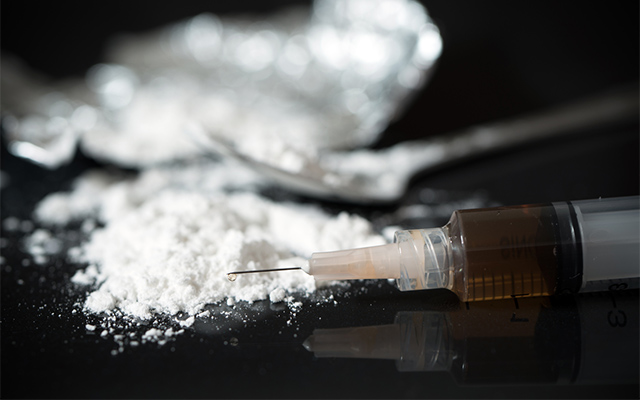
Checking services would allow people to anonymously submit samples of drugs to check their potency and content, allowing individuals to make more informed decisions about their use.
To operate, these facilities require UK government licenses from the Home Office that are not guaranteed.
A Scottish government spokesperson clarified to healthandcare.scot that the project team are committed to submitting these applications by late 2021:
“Assuming support from the Home Office is forthcoming, we expect services to be established in Aberdeen, Dundee and Glasgow in Spring 2022.”
The current research aims to better understand the key opportunities and barriers to providing drug checking services in Scottish cities, by interviewing drug users, affected family members and professionals.
According to the government it will include a “parallel programme of implementation”, whilst assessing how international evidence on drug checking fits within a Scottish context.
Similar facilities currently operate in Canada, Australia, and some European countries, and several drug checking trials have been carried out in England.
One trial concluded that the service increased drug and harm reduction literacy and improved access to other services, indicating they are an important response in reducing drug-related deaths.
The success of these trials led to the opening of the UK’s first recreational drug safety testing facility in 2016 in Bristol, with support from police, public health officials and local authorities.
The project’s lead Professor Teesa Parkes is confident of the value these services could bring to Scotland:
“Drug checking could be an important response by reducing the risk of harms, including drug-related deaths, for people who use drugs and associated harms caused to families, communities and wider society.
“Drug checking can also contribute to public health surveillance of drug markets in local areas and at a national level which can feed into Scotland’s wider public health surveillance work on drugs and drugs harms”.
The UK and Scottish governments have consistently been at odds in how to reduce drug related deaths.
The UK government has in recent years repeatedly rejected calls to sanction drug consumption rooms, where illicit drugs can be taken under the supervision of trained staff, offering them access to support services and overdose reversal kits in the same place.
Mhairi Hunter, Convenor of Health and Social Care at Glasgow City Council, has previously said such sites are “ready to go” in the city with funding already in place and backing from the local health board.
Scottish Minister for Drug Policy, Angela Constance, in her parliamentary statement on drug deaths earlier this week, said she will continue to push the UK government on allowing drug testing in Scotland.
Read more: Call for culture change in drug treatment services; Drug consumption rooms backed by leading medics
Sign up to our bulletin for key health & social care updates straight to your inbox. |
