|
‘Encouraging’ change in corner shop alcohol habits |
Related newsScotland at the table with UN healthy air commission Safe consumption rooms key for drug harms Barriers remain in accessing residential rehab 50 years ‘just the beginning’ says Chief Scientist Charities: Mental Health funding must increase Drug checking ‘important response’ to record deaths 
|
|
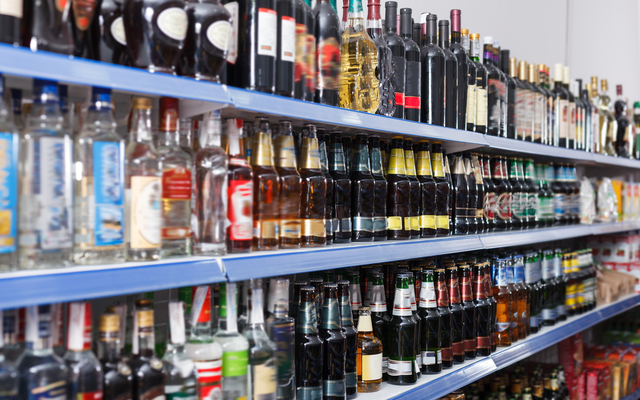
© JackF
|
||
|
||
|
Researchers say there are “encouraging” signs minimum unit pricing is changing the habits of customers buying alcohol at local shops.
A study of small retailers has found the policy has led to an increase in price of the cheapest alcoholic drinks and some customers choosing other products.
Some of the shopkeepers said they had stopped stocking some drinks which had risen significantly in price, such as larger bottles of strong cider.
The findings come from the sixth report into the impact of minimum unit pricing (MUP) since it was introduced in 2018, which looked at the impact on small retailers.
Campaigners say evaluations so far have been ‘encouraging’ – although concerns were recently raised that rising drinking levels during lockdown could impede progress.
The study, led by the Institute for Social Marketing at Health at the University of Stirling, found small retailers either increased the price of drinks previously sold below 50p per unit or stopped selling them altogether.
Some convenience stores felt sales had declined, although others reported little change overall.
There were few reports of an increase in theft or illicit trade in alcohol locally.
The report also found: “There were very few reports of hostile customer reactions, and some indication that antisocial behaviour around premises may have been reduced when lower-price, higher-strength products were no longer sold.”
Martine Stead, Deputy Director at the Institute for Social Marketing and Health, University of Stirling, said:
“The small retailers themselves reported implementation of MUP to be generally straightforward, with little or no adverse effect on small businesses.
“Many felt they were better able to compete with prices in supermarkets following the implementation of MUP”.
Clare Beeston, Public Health Intelligence Principal at Public Health Scotland, said MUP has the potential to improve Scotland’s relationship with alcohol.
“These findings show an encouraging pattern of behaviour change emerging amongst small retailers and customers,” she said.
Public Health Minister Joe FitzPatrick welcomed the “positive” findings, saying it shows small retailers believe sales of drinks most affected by the policy have fallen.
“This follows a report in June last year which showed a 3% decrease in the volume of pure alcohol sold per adult in the off-trade in Scotland in 2018.”
Sign up to our bulletin sent twice a week so you don’t miss out on the latest health and social care news.
|
