|
Scotland can lead gender tailored alcohol policy |
Related newsPlea to see social work as ‘backbone’ of health & care Health and charity leaders join forces for NHS reform “Relentless focus” on health inequalities Care management ‘on its knees’ Economic change key to Scotland’s health inequalities What can care homes do to get inspection-ready? 
|
|

Image Credit: © samuel
|
||
|
||
|
A Glasgow researcher leading a landmark World Health Organization (WHO) policy initiative is now calling on public health services across the world to recognise that the impact, experience and stigma of alcohol problems are different for men and women.
According to the WHO alcohol policy report published this year, policymakers must consider how their alcohol policies – current and in development – can impact men and women differently to ensure they are effective.
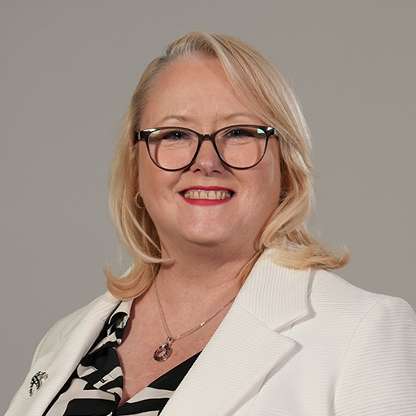
Professor Carol Emslie an internationally-renowned alcohol researcher at Glasgow Caledonian University (GCU) led a team on this work, focusing on what is known about gender-responsive approaches to reduce alcohol harm.
Now, Professor Emslie and GCU are working to raise awareness and change policy – with Professor Emslie saying the WHO report “really gives us a mandate” to influence policymakers to change their approach.
The team found that while men and women consume alcohol differently and are affected by its harm differently, alcohol control policies and practice remain largely ‘gender blind’.
The researchers say that as the alcohol industry increasingly uses gendered tactics to target consumers, policies must keep pace and it is ‘critical’ to take stock of what is known about the current approaches to tackle the acceptability, availability and affordability of alcohol which encourages harmful drinking.
Professor Emslie highlighted that many countries look to Scotland to ‘lead the way’ on alcohol policy after its introduction of minimum unit pricing, but said so far there has been little exploration of the different impacts such policies have on men and women:
“Many countries are looking to Scotland to lead the way on alcohol policy after the introduction of minimum unit pricing. It is important to analyse whether this policy affects men and women differently.
“We know that one of the most rigorous studies found that MUP has a stronger impact on men than it did on women.
“However, we found very few studies have explored whether alcohol policies impact men and women differently.
“We have developed a tool-kit for policymakers with the questions they should ask. For example, could your policy affect men and women in different ways, might it stigmatise one group more than another, or reinforce harmful gender stereotypes about how men and women should behave?
“We also hope that our policy document will empower grassroot community groups and organisations to challenge the alcohol industry in the ways they target men and women in their advertising campaigns.”
Scotland as a case study
Scotland increased the minimum unit price of alcohol to 65p this year to keep pace with inflation after evidence showed it had reduced alcohol-attributable deaths by 13.4% but alcohol minister Christina McKelvie recognised that there is “so much more to do” as she introduced the rise:
“Uprating of the minimum unit price to 65p per unit will save hundreds of lives and reduce demand on our NHS. Crucially it will reduce the likelihood that future generations will develop alcohol problems.
“Now we must address how alcohol is marketed as a glamorous, fun product, while giving us limited information which we need to make healthy choices.”
The WHO team worked with international collaborators to find global case studies to illustrate how countries such as New Zealand, Tanzania, Pakistan, Sri Lanka and Scotland have tackled alcohol harms in a way that meets the different needs of men and women.
The Scottish case study features the charity Scottish Families Affected by Alcohol and Drugs (SFAD), which supports anyone affected by someone else’s alcohol or drug use in Scotland.
Professor Emslie explained that the charity has been developing a real understanding of how alcohol-related harms affect men and women differently, after noticing that most people at its family support services were women.
Justina Murray, CEO of Scottish Families Affected by Alcohol and Drugs, said:
“At Scottish Families, the most common family relationships we support are women concerned about men’s alcohol or drug use.
“There are many reasons for this, but we know we need to do things differently to reach more male family members. This includes offering a model of family support which is meaningful to them.
“Our research with Glasgow Caledonian has highlighted that male family members engage more readily with a structured, collective problem-solving model of support, offering a safe space to share a range of emotions which they may feel unable to express at home.”
Ms Murray added that leaders funding support services should invest in a range of options to offer men and women a “choice of support to suit their needs”.
Gavin Heron, who works for SFAD supporting individuals and families impacted by substance use with providing emotional support, facilitating community connections, and drawing on his own lived experience, he engages particularly with men.
He said this involves encouraging them to seek support and fostering a safe environment where families can build resilience and seek positive change:
“Through the support of SFAD and the community around me, I’ve been able to transform an unimaginable loss into a driving purpose.
“Losing my brother to substance use was devastating, but it’s led me to work with other families facing similar challenges and to help build more compassionate support networks.
“My hope is that, by engaging openly and creating spaces where people feel seen and supported, we can make real strides towards a society that doesn’t just manage the impact of substance use but actively works to prevent it.”
Read more: Smashing stigma to save lives in Scotland; Charity: Tax alcohol retailers for the harm they cause; Alcohol support needed in justice system; Barriers remain in accessing residential rehab; Watchdog: shift from crisis model for alcohol & drugs
Sign up to our bulletin for key health & social care updates straight to your inbox. |