|
Health and charity leaders join forces for NHS reform |
Related newsCall for ‘urgent’ review of ADHD and autism services Pharmacy’s road to stigma-free drug dependency care All public bodies must focus on health, urges charity Less than full-time – behind the NHS trend New taskforce to drive ADHD and autism improvements Watchdog criticises homelessness health service cuts 
|
|

|
||
|
||
|
A group of health and social care leaders are calling for politicians to join them in a candid conversation about the future of health and social care in Scotland – an approach they say is essential to allow space for the ‘fresh thinking’ needed to fix a system they warn is ‘unsustainable’ and overstretched.
‘Reform is urgent and critical’, the letter reads as it cites deteriorating health and widening inequalities across the country.
Pointing to an ‘overly complicated, difficult to navigate and often inefficient’ system, the letter emphasises that reform of the NHS is only part of the picture.
As part of the group’s own commitment to delivering the reforms needed for Scotland’s health and wellbeing, the letter invites politicians and other stakeholders to find space for ‘candid conversations’.
The letter states that holding conversations that provide ‘respectful, private, informal Chatham House Rule [wherein information discussed can be shared, but without identifying who made any particular comment] exploration of the key issues’, to find a way forward together.
A vision for the future
While recognising that money alone will not solve the system in crisis, the letter argues that increased investment and focus on the ‘whole ecosystem of health’ – including community and social care – is needed.
The group calls for recognition of the ‘vital role’ played by the third sector, social care and local government as partners for health and in their own right.
It says that healthcare is not the sole responsibility of the NHS and reforms must look to the broader determinants of health, prioritising prevention and health creation as ‘a national imperative’.
It follows a commitment from the Health and Social Care Secretary to shift funding to care in primary, community and third sector settings and MSPs voting on social care reforms to better meet the needs for people providing and accessing care.
However, the group emphasises that improving Scotland’s health and reducing inequalities must not rely on any one politician, government or party – writing that the crises in the NHS stem from ‘complex and interrelated factors’.
While urgent immediate action is required, the group says long-term change must also be delivered:
‘We need a longer-term vision, shared by us all as a common responsibility, with a whole of Scotland commitment.
‘There are no easy answers, hard choices will need to be faced, and delivering the necessary reforms will take more than one electoral cycle.’
With this, the group urges decisionmakers and leaders across health, social care and the third sector to work together on delivering long-term solutions that are effective, fair and sustainable.
Part of achieving such wide-scale change, the group writes, is for MSPs to move away from short-term thinking, to work across parties and with stakeholders on action plans that outlast political cycles.
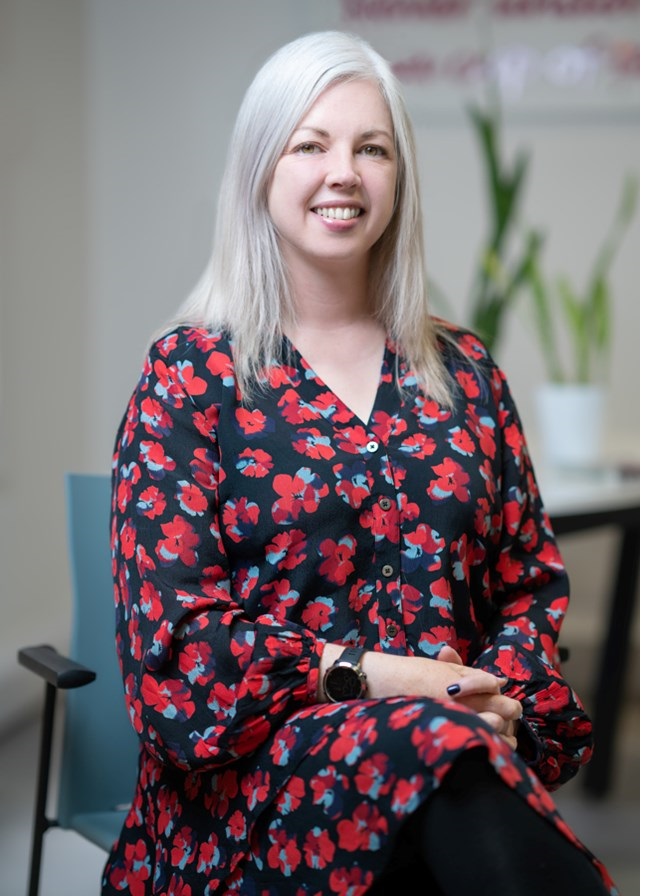
One signatory, Chest, Heart and Stroke Scotland’s CEO Jane-Claire Judson told healthandcare.scot that these will be spaces where “we won’t always agree and can respect that”.
She said moving from “defensive and entrenched positions and reactions” and towards national solutions and how these can be resourced is now needed:
“Funding is of course a challenge. However, the real challenge is discussing and deciding how best to invest our resources.
“It is also essential that we engage with voices beyond our usual circles and structures. We have to accept that what we have tried so far has not worked as well as we would have hoped.
“We are ready to work collaboratively with government, the NHS, social care providers, charities and fellow citizens to help shape a Scotland where communities stay well, recover and thrive beyond illness.”
She added that delivering the change needed requires moving beyond sharing good approaches to health to deciding “which ones to adopt and fiercely implement”.
Signatories:
Dr David Caesar, Emergency physician and Associate Medical Director for Medicine
Read more: Holyrood passes Care Reform Bill; “Relentless focus” on addressing health inequalities; Watchdog criticises homelessness service cuts; Scotland needs more Carer Positive employers; Chief Medical Officer: ‘Critical connections' priority; ‘Unprecedented’ crisis in community healthcare; NHS Scotland: waiting lists and beyond
Sign up to our bulletin for key health & social care updates straight to your inbox. Tags: Child Health; Chronic Conditions; Dental Health; Diagnostics; Emergency & Unscheduled; GP & Community; Mental Health; NHSScotland; Pathways, Waiting times, Performance; Pharmacy & Prescribing; Public Health & Prevention; Scottish Government; Senior Leadership; Social Care; Staffing & Workforce; Unpaid Carers. |