|
Watchdog: shift from crisis model for alcohol & drugs |
Related newsDoctors say GP funding boost “just the start” Rural alcohol and drug rehab centre opens New taskforce to drive ADHD and autism improvements Call for ‘urgent’ review of ADHD and autism services Change course on GPs, says College Watchdog: ‘No overall vision’ for NHS 
|
|

Image Credit: © sewcream
|
||
|
||
|
Audit Scotland has revealed that barriers persist for people across trying to access alcohol and drug services, meaning services are not tailored to individual needs – recommending widescale changes including how the Scottish government funds services.
The national watchdog reports that Scotland is behind on its landmark ‘mission’ to reduce drug and alcohol harms, including long-awaited workforce plans to help move away from crisis-led services.
In its alcohol and drug services review, Audit Scotland details that high levels of need have been met with limited funding and workforce capacity – leading to narrow eligibility criteria leaving many people unable to access services.
Over the last decade, more than 23,000 lives have been lost to alcohol or drug-specific causes in Scotland, and Scotland’s Auditor General emphasised the need to reach people before they hit “crisis point”.
The government has said it is “determined to do everything we can” to help people struggling with alcohol and drug use.
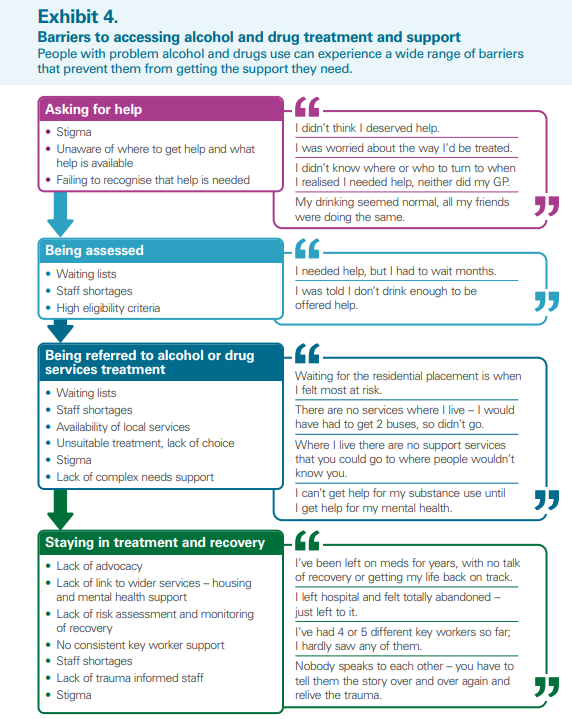
People with lived experience told the national watchdog that they were not referred for alcohol or drug treatment as they were told they were ‘not unwell enough’.
People reported barriers exist at every stage, with some feeling “undeserving” or not knowing “where or who to turn to”.
Meanwhile, five out of 14 health boards have failed to meet the Scottish government’s national standard for alcohol and drug service treatment referrals in recent years.
Despite progress in the government’s aim to improve residential rehabilitation capacity, it found some providers will deem people ‘unsuitable’ if they have mental health issues, particularly when these are severe or complex.
Accounts Commission member Christine Lester said there must be more collective accountability for how different services and boards help people “blighted by alcohol and drugs”.
She said more information is needed to prioritise funding and plan care and tailor support around individual’s experiences to ensure people can access the services the need.
Funding gaps
Audit Scotland reports most alcohol and drug funding goes to NHS services to treat people at crisis point, with limited money towards preventing people getting ill in the first place.
It says the government must review the cost-effectiveness of services to deliver sustainable, meaningful support for people.
Scotland’s Auditor General Stephen Boyle said preventative action is needed to address the nation’s “harmful relationship with alcohol and drugs”:
“That means helping people before they get to a crisis point.
“Ministers also need to understand which alcohol and drug services are most cost-effective, and plan how they will be funded when the National Mission ends in 2026.
“That’s especially important at a time of increasing strain on the public finances.”
This comes after renewed calls to tax alcohol retailers to raise public health funding and “difficult” budget cuts to health and care.
Now, Audit Scotland has outlined that the government has been slow to reform alcohol marketing it set out 2018.
The report states that the government must work with partners across sectors to develop more cost-effective preventative approaches that target people at risk before problems develop.
Meanwhile, it outlines that an increased focus on drug harms has shifted attention away from action on alcohol issues and says government must work alongside partners on actions to tackle both alcohol and drug-related harms.
Scottish Health Action on Alcohol Problems (SHAAP) has urged the government to “heed these findings” and put a clear plan in place to tackle the country’s significant alcohol problem to ensure both public health emergencies are addressed.
Despite £161m distributed across alcohol and drug services in 2023/24, Scotland’s local bodies responsible for coordinating services have seen an 8% real-terms decrease in funding over the last two years.
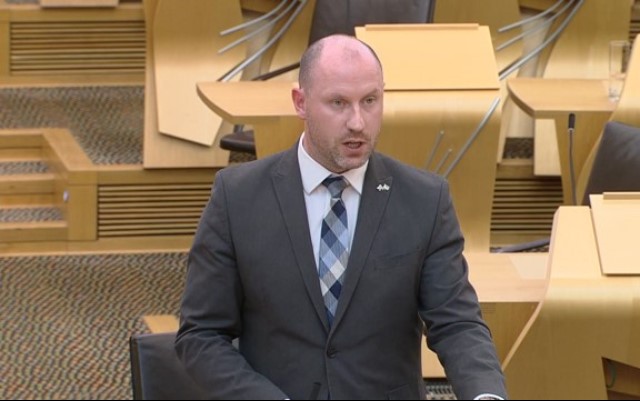
Health Secretary Neil Gray said the government acknowledges there is “much more to do” but that it has overseen positive change including the UK’s first safe consumption drug-checking service, adding:
“We want every person experiencing harm from alcohol or drug use to be able access the support they need to help them recover.
“The Scottish government is determined to do everything it can, working with a number of partners, to make that a reality.”
Where is the workforce?
While staff working in alcohol and drug services play a ‘pivotal role’ in supporting people to engage with services, Audit Scotland has found that high turnover negatively impacts patient relationships.
The report also emphasises the need for improved training and support to see volunteers with lived experience move into secure jobs.
It details poor level of joined-up working, highlighting a lack of linking to wider services like housing and mental health support for people leaving treatment and recovery. One person reported feeling “totally abandoned” when leaving hospital, while another said:
“Nobody speaks to each other – you have to tell the story over and over and relive the trauma.”
Key partners delivering care must work together with those with lived experience to better coordinate support across health, housing, justice and employability services, according to Audit Scotland.
However, the Auditor General said many alcohol and drug workers feel “undervalued” and at risk of burnout, and the government must also develop a transition plan for the sustainability of services after 2026.
He said there is an “urgent need” to put a timeline against plans to address staffing challenges, and the report recommends that government creates a funding approach to delivers long-term workforce planning.
Health Secretary Neil Gray said the government is addressing challenges to recruitment and retention and investing in preventative measures, adding:
“Many of its recommendations are already being undertaken and we will carefully consider it as we continue to take action to improve services.”
Read more: Smashing stigma to save lives in Scotland; Recovery employment scheme grows; Safe consumption rooms for drug harms; Alcohol support in justice system; Citizens' panel on drugs crisis
|