|
Charity: Tax alcohol retailers for the harm they cause |
Related newsRural alcohol and drug rehab centre opens Watchdog: shift from crisis model for alcohol & drugs Doctors say GP funding boost “just the start” New taskforce to drive ADHD and autism improvements Analysis: Mixed responses to public sector reform plan Probe into future of NHS Scotland’s doctors underway 
|
|
Image Credit: © sewcream
|
||
|
||
|
Scotland’s alcohol deaths at a 15-year high have prompted renewed calls for an alcohol retailer levy to tackle the public health crisis.
National Records Scotland has today revealed that 1,277 people – almost four people each day – died in 2023 from alcohol, an increase of one from 2022 and the highest level since 2009.
Charity Alcohol Focus Scotland says these figures reflect a failure from the Scottish government to address what it has itself declared as a public health emergency.
It adds that these numbers only represent the ‘tip of the iceberg’, since they do not include alcohol-related accidents, suicides or associated illnesses like cancer and cardiovascular disease.
The Deputy Chief Executive of the charity tells healthandcare.scot that multiple approaches are needed to address this crisis, supported by the reintroduction of a public health a tax on alcohol retailers.
Not only could a levy on alcohol retailers bring in £57m annually and be used in alcohol-specific support, it could also help prevent future harms, according to the charity.
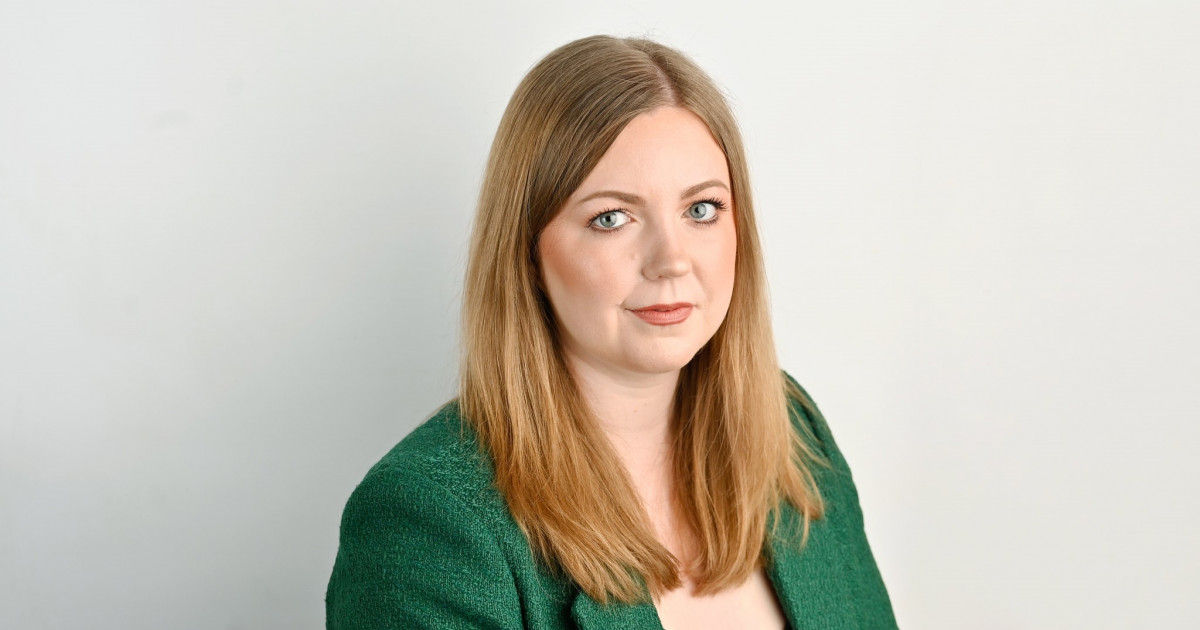
Laura Mahon, Deputy Chief Executive, Alcohol Focus Scotland explains:
“There's a tendency in the public and in the media to think about the people who are dying from alcohol as being people who are addicted to or dependent on it.
“The reality is that there will be a lot of people represented in the figures released today who won't ever have had a diagnosis of addiction or dependency but have unwittingly caused serious harm to their health over years of consumption and we live in a society that really encourages that.
“One in five people in Scotland are drinking over the low-risk drinking guidelines, and that does, over time, cause serious health harm. We absolutely need to see a dual-track approach to this.
“We’ve been advocating for an alcohol harm prevention levy or a public health supplement, on the principle that the polluter pays. We cannot let the alcohol industry or any health-harming industry off the hook here.”
Laura says more needs to be done to prevent people reaching crisis-point, while recovery, treatment and support options need to be expanded for people already struggling.
She says that despite the rising levels of alcohol-related harms, the number of people accessing support over past years has declined.
People are accessing support at a later stage, with more complex needs in large part due to stigma, which requires more intense interventions which places more pressure on the NHS, she explains.
The charity’s Deputy Chief Executive says the Scottish government needs a “radical step-change” in how it approaches alcohol deaths, and for decision-makers across political parties to come together to agree decisive action on the marketing, promotion, availability and price of alcohol:
“Working with health boards, local authorities and with third sector support providers so that we have action proportional to the scale of the problem we’re seeing.
“We should be taking action on the marketing and promotion, as well as the availability and price of alcohol.
“Recovery does happen and is real – but we know that navigating even your weekly food shop to avoid alcohol promotions is really challenging.”
Scotland’s previous public health supplement on alcohol and tobacco raised £95.9m from 2012-2015, with research suggesting this was discontinued because of ‘strong and persistent’ opposition from large retailers.
Both Scottish Labour’s Carol Mochan MSP and Gillian Mackay MSP from the Scottish Green Party have been vocal supporters of reintroducing a public health levy to help deliver support.
Alcohol Focus Scotland says it is “very disappointing” that the latest Programme for Government failed to address the alcohol harm crisis.
The charity says all political parties have a “duty” to treat alcohol as a public health emergency.
Responding to this week’s figures, Gillian Mackay MSP renewed her call for a pulbic health levy:
“Every one of these lost lives is a tragedy, and there will be people missing them and mourning them. We clearly need to change Scotland’s relationship with alcohol.
“We urgently need to tackle the root causes of alcohol misuse and ensure that we are funding recovery services to support people and communities that need it.
“Minimum unit pricing has been an important step forward, but the money made from it is staying with the supermarkets rather than being used to support people and families who are on the frontline of the crisis.
“If retailers are profiting from the sale of products damaging public health, like alcohol and tobacco, then they should also pay towards mitigating the health and social costs that they cause.
“With a budget due later this year, I hope that the Scottish government will apply a public health levy to ensure that we are supporting frontline recovery services.”
Ms Mahon adds:
“We are surrounded by alcohol promotion and marketing at all times, and the industry has an allergic reaction to any suggestion of trying to limit that.
“Commercially-vested interests should have no place in health policy because ultimately their motivations are profit-driven.
“We’ve got lots of examples from other countries where marketing restrictions have been put in place and the sky has not fallen in on the alcohol industry.”
A Scottish government spokesperson told healthandcare.scot:
“In line with the New Deal For Business, we are committed to early engagement to ensure that any impact of any proposals on business is fully understood.
“Exploratory discussions have already started with business representatives, including the Scottish Retail Consortium, and other relevant stakeholders such as public health organisations. Those discussions will continue to ensure that considered and informed decisions can be made in advance of the 2025-26 budget.”
Read more: Doctors: Action on alcohol “desperately needed”; Safe consumption rooms key for drug harms; Analysis: drugs and alcohol in Scottish health survey; Alcohol minimum unit price increase to 65p; Inside Scotland's widening health inequalities
Sign up to our bulletin for key health & social care updates straight to your inbox. |