|
Scotland’s GP workforce rises |
Related newsGovernment to act on A&E failures College: Invest in digital transformation for GPs We “cannot be complacent” on breast cancer rise Charting Scotland’s future health and hospital demand How data insights will help deliver NHS reform Shocking levels of violence towards NHS staff NHS is working to address “unacceptable” abuse “Mayday”: voices from NHS emergency departments Government to merge two national NHS boards New partnership looks to build digital-savvy workforce Scotland top of the charts for medical training 
|
|

Image Credit: © Monkey Business_
|
||
|
||
|
The number of GPs in Scotland has reached its highest level since the pandemic, according to new figures. However, doctor representatives say more is needed to take the workforce out of a “state of crisis” and deliver sustainable staffing.
As of March 2025, the number of whole-time equivalent (WTE) GPs reached 3,591.5, a 4% increase from 2024.
The overall GP headcount – which includes full time and part-time GPs – has also increased to above 4,500.
The GP workforce survey results, published today, also show the GP vacancy rate has fallen to 3.8%, compared with 7.6% recorded the year before.
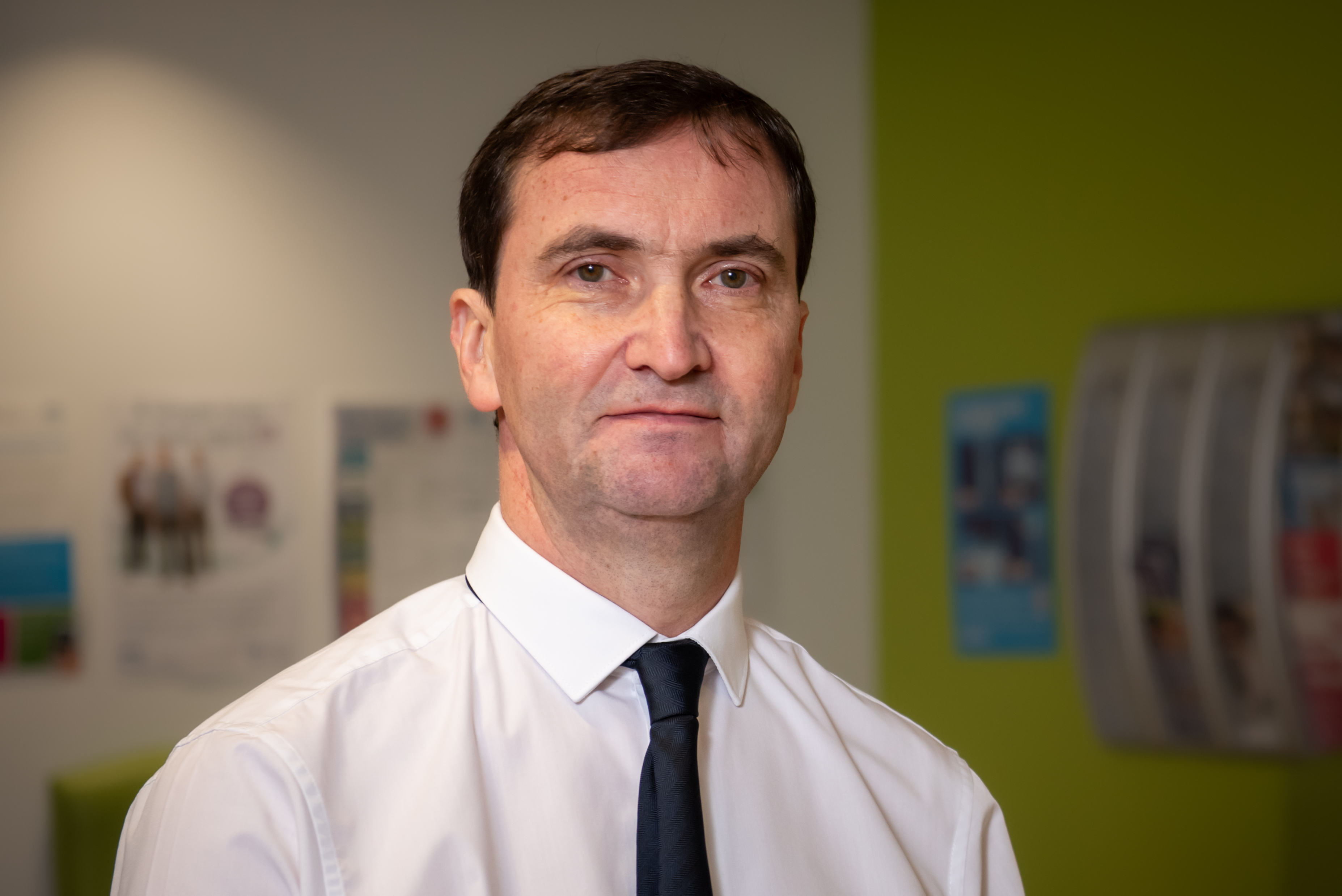
While the Royal College of General Practitioners (RCGP) Scotland Chair Dr Chris Provan welcomed the news, he said longer term increases are needed to ensure Scotland can meet the demand on primary care:
“Today’s data marks the first time in several years that the number of whole-time equivalent GPs in Scotland has increased.
“While this is a welcome development, the rise follows consecutive declines, and the GP workforce remains smaller than pre-pandemic.
“We need to see future workforce survey publications before we can confidently say this is the beginning of a sustained upward trend in GP numbers.”
A rise in GPs and nurse numbers is accompanied with a slight decrease in other professions working alongside them.
While GP nurse numbers rose by 1.5% from 2024, the number of WTE healthcare assistants, pharmacy dispensers and physician associates fell.
Meanwhile, the sickness and absence rate has fallen across the GP workforce.
Between 2024 and 2025, the absence rate for GPs was 1.8% and for other occupations it was 2.2% - both down from 3.0% in 2023-24.
The proportion of general practices using locums has remained stable, with GPs reporting the use of 279 locum WTE GPs.
A turning point?
RCGP Chair Dr Provan said that, after the “positive step” of last week’s £15m GP funding boost announcement, the government must now deliver longer-term investment to meaningfully resource and grow the workforce:
“General practice in Scotland remains in a state of crisis. The relentless pressure of trying to do more with less is taking a toll on GPs, leading to some feeling they must reduce their hours, retire early, seek work abroad, or leave the profession altogether.
“This is the result of poor workforce planning and years of underinvestment by the Scottish government.
“I hope this signals the beginning of a significant shift in funding towards primary care, enabling us to deliver more care closer to home.
“If the Scottish government accelerates investment in general practice, we can ensure that today’s increase in whole-time equivalent GP numbers is not a one-off, but the start of a meaningful and lasting growth in the GP workforce.
“I hope today’s figures mark a turning point.”
In 2017, the Scottish government pledged to recruit an additional 800 GPs by 2027.
Around 3,520 WTE GPs were working across Scotland in 2017; the small increase in the number of WTE GPs to just over 3,591 recorded in 2024-25 comes after years of decline.
The growth in headcount number also leaves Scotland around 650 GPs short of the target.
Audit Scotland concluded earlier this year the 800 extra GP goal ‘is unlikely to be met’ by 2027.
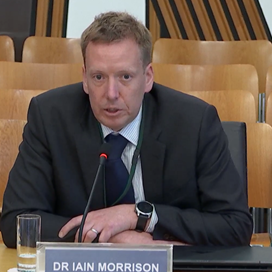
BMA Scotland GP Commitee Chair Dr Iain Morrison said this context is “crucial” and Scotland has “nowhere near” the number of the GPs needed to meet rising demand.
He added this is due to years of underfunding the GP workforce:
“These figures should do very little to reassure anyone that the crisis in general practice is anywhere near being fixed.
“Instead, we urgently need the full funding restoration to deliver the £290m our service has lost and finally enable general practice to again fulfil its huge potential.”
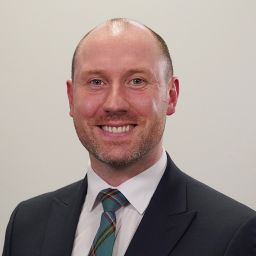
Health Secretary Neil Gray said:
“We are determined to make it easier for people to see their GP.
“I am very pleased to see these new figures showing an increase of 4% in the number of Whole Time Equivalent GPs – the first increase since 2019.
“While this is welcome, we are determined to go further because we know that GPs are still working under a great deal of pressure and we want to do more to support them, including meeting our commitment to employ an additional 800 GPs by 2027.”
Read more: Doctors invited to shape medical workforce reforms; Primary care progress falls behind need, say doctors; Watchdog criticises homelessness service cuts; Scheme for GPs to help lost patients; NHS waits pushing more patients private; Urgent plea to safeguard mental health advocacy amid cuts; Ten-year low in Scots healthy life expectancy; Scotland’s ‘invisible’ patients and carers; NHS Scotland: waiting lists and beyond
Sign up to our bulletin for key health & social care updates straight to your inbox. |