|
We “cannot be complacent” on breast cancer rise |
Related news‘Substantial’ drop in cancer deaths Rapid cancer diagnostic network improves outcomes Big data: closing the endometriosis knowledge gap Digital health: This is the moment Government to act on A&E failures 
|
|
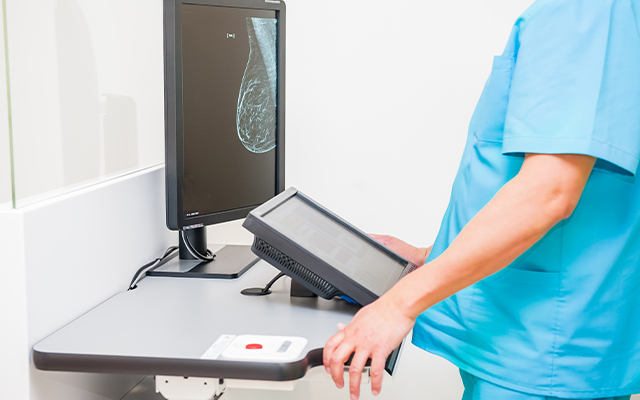
Image Credit: © okrasiuk
|
||
|
||
|
Preventative action is needed to move towards earlier detection, diagnosis and treatment of cancer, according to health leaders and charities which are urging the Scottish government to “transform” Scotland’s breast cancer screening pathways.
Latest estimates from Public Health Scotland (PHS) suggest around 71,000 women in Scotland will be affected by breast cancer by 2044.
Breast Cancer Now told healthandcare.scot that the “alarming” findings reinforce the charity’s concern that “far too many” across Scotland are already living with breast cancer.
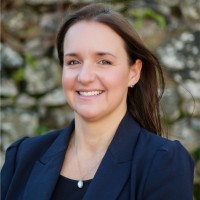
Responding to the figures, the charity’s associate director of policy and evidence Melanie Sturtevant said the government must now deliver on recommendations made by a group of experts three years previously to ensure all women have equitable access to screening.
The major review of Scotland’s breast screening service published in 2022 highlighted an urgent need for reform, amid falling uptake.
Among its 17 recommendations was the introduction of a direct call-recall system to notify women of their next testing date, alongside the development of a Scotland-wide screening workforce plan.
The Scottish government has committed to modernise the breast screening programme in its recent Cancer Action Plan.
However, Ms Sturtevant told healthandcare.scot that many women continue to face “long, anxious waits” for treatment and deserve earlier diagnosis and care:
“We cannot afford to be complacent about breast cancer.
“The alarming rise in the number of women in Scotland who could be living with and beyond breast cancer within the next 20 years must be guaranteed a prompt diagnosis, access to treatments and vital support.
“Women from underserved groups also continue to miss out on vital breast screening, due to unacceptable disparities across health boards.”
To deliver “real, lasting” change, Ms Sturtevant says the government must now fulfil its action plan commitments, including tackling lengthy waits and addressing gaps in the cancer workforce.
Though almost half of the projected 30% rise in breast cancer patients stems from improved survival, PHS says the figures underline the value of early detection and awareness.
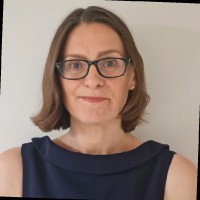
Dr Caroline Michie, University of Edinburgh Honorary Clinical Senior Lecturer, NHS Fife Systemic Anti-Cancer lead clinician and Association of Cancer Physicians Scotland representative, said reducing inequalities in screening will be crucial to improving outcomes.
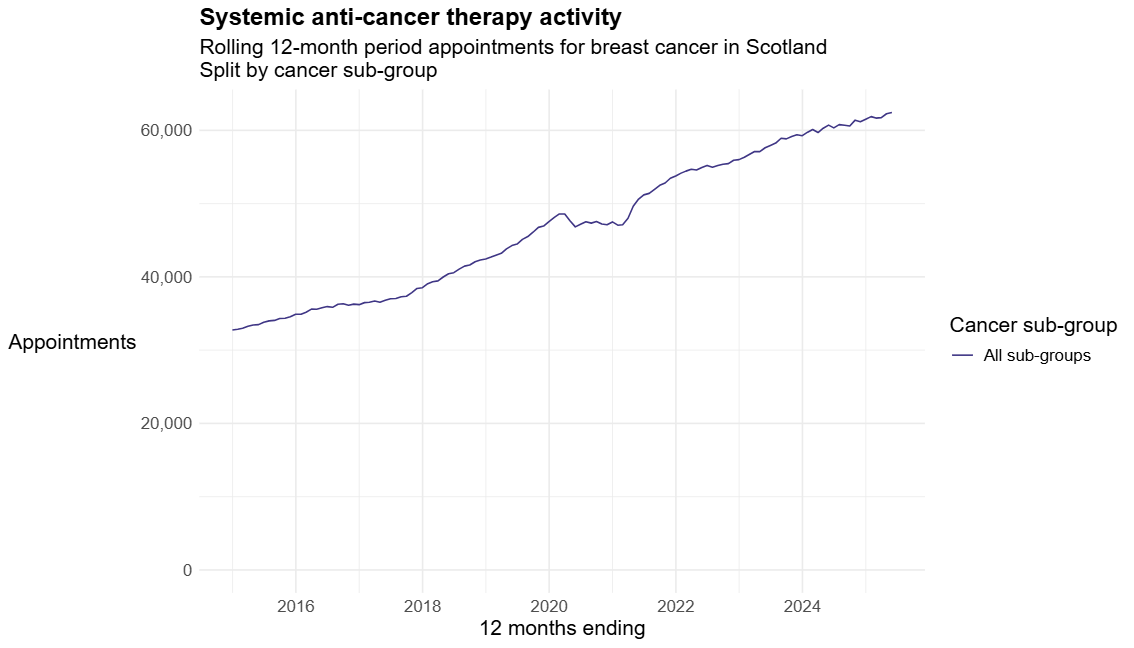
However, she added that for those diagnosed with cancer, challenges persist in getting them the treatment they need quickly – particularly with the rising demand, reaching 60,000 appointments for anti-cancer therapy last year.
The number of patients receiving anti-cancer therapy has almost doubled from 3,537 to 6,814 between 2014-2024 and appointments continue to rise with new patients and many staying on treatment for longer.
Dr Michie told healthandcare.scot that gaps in the cancer workforce leave staff overworked and unable to meet the growing demand on services:
“Some of the biggest current challenges in oncology revolve around the timely delivery of anti-cancer drug therapy and also radiotherapy.
“For breast cancer patients, there are several exciting developments over the last decade with many novel, more costly but also more effective and better-tolerated treatment options approved for both early and secondary breast cancer.
“But to be able to deliver these services we need properly resourced multi-disciplinary specialist expertise.
“This is really our greatest day-to-day and long-term challenge in oncology.”
Dr Michie said specialist chemotherapy nurses, clinical nurse specialists, cancer pharmacists and therapeutic radiographers, as well as oncologists, are all essential for services to “cope with this huge rise in demand”, which looks set to continue to rise.
Recent workforce reports show Scotland has a 25% shortage of radiologists and 19% shortage of oncologists, with doctors warning of a ‘ticking timebomb’ for patients.
Scotland’s Health Secretary, Neil Gray, said the government is working “as a matter of urgency” with NHS Scotland leaders to address staffing pressures in a sustainable way.
In an answer to a parliamentary written question earlier this month, he said £6.6m has been provided to boards in 2025-26 to support increased regional working and maximise recruitment and workforce capacity in cancer.
Read more: Scottish cancer cases set to keep rising; Charting Scotland's future health and hospital demand; Treatment-resistant cancer focus of new study; NHS saves £82m a year through outdoor spaces; Government to merge two national NHS boards; Chief Medical Officer: ‘Critical connections’ priority; Lung health priorities ‘abandoned’; “Get ready now” for advances in dementia care
Sign up to our bulletin for key health & social care updates straight to your inbox. |