|
NHS Chair: “I’m sorry” |
Related newsHealth and charity leaders join forces for NHS reform Pharmacy’s road to stigma-free drug dependency care “Mayday”: voices from NHS emergency departments Doctors: ‘Shocking’ A&E figures require action Less than full-time – behind the NHS trend New taskforce to drive ADHD and autism improvements Government to act on A&E failures Scotland’s frailty services to help address NHS waits Glasgow district nurses ready to strike Glasgow LEZ success sparks call for expansion Watchdog criticises homelessness health service cuts Community support ‘vital’ to asylum-seeking families 
|
|

Image Credit: © Rawpixel
|
||
|
||
|
Leaders of NHS Greater Glasgow and Clyde have apologised to emergency department staff for failing to act on their warnings around patient safety and set out a “new way forward”.
The health board has outlined a ‘bold, system-wide improvement programme’ to transform unscheduled and planned care, in response to concerns raised last month by Healthcare Improvement Scotland.
A “serious breakdown” in relationships between managers and A&E consultants at Glasgow's Queen Elizabeth University Hospital was found by the health watchdogs to have likely impacted patient care, with the health board failing to address the issues raised by staff as early as 2023.
The report published last month highlighted crowding and poorly coordinated care, as well as staff’s feelings of a lack of compassion or respect from leadership.
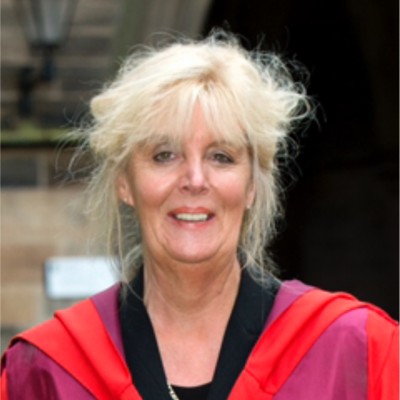
NHS Greater Glasgow and Clyde (GGC) Chair Dr Lesley Thomson KC told an extraordinary meeting of the board that she was sorry to each and every staff member affected:
“I want to make absolutely crystal clear that I’m emphasising that those of us here now own this and it is up to us collectively to make things better.
“It’s clear that you have faced unremitting pressures, felt undervalued, and when trying to raise concerns, you were not to listened to. Consequently, there have been levels of distress, concern, upset and fear about the environment you've been working in, and – quite frankly – a sense of helplessness.
“I acknowledge that, and I say clearly that was wrong, and I'm sorry to each and every one of you on behalf of this board. And I’m sorry to each and every one of you personally, it's not where I want to be, and it's not where the board will be going forward.”
“A new chapter”
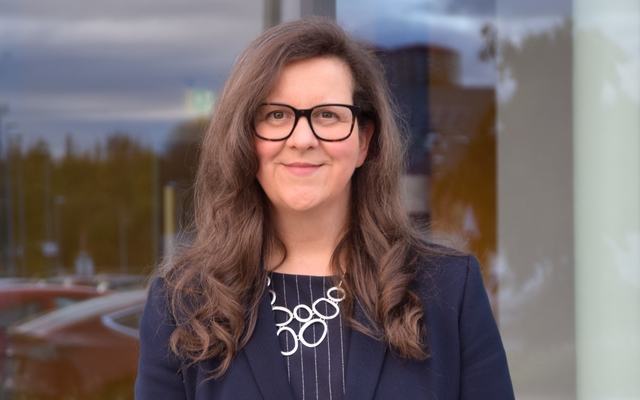
NHSGGC Chief Executive Professor Jann Gardner, who came into the role in February, said a new board-wide plan will look to build a more inclusive culture and create “lasting” improvements.
She told attendees at the meeting that “patient safety must always take absolute precedence” and staff wellbeing is “absolutely critical”, and she has now met with A&E consultants and staff.
Professor Gardner said the board is “taking action” to address nursing and medical staffing issues, wider staff communication, and the patient flow systems into and out of Glasgow’s emergency departments:
“This is a new chapter — one where we reinforce working together to deliver the best care for our patients by creating a much more collaborative environment which listens to and engages with staff to shape policy and tackle some of the big issues facing us.”
She said the board will firstly seek to address short-term challenges facing staff and create a foundation for system-wide improvements.
Professor Gardner told the meeting, “we can’t fix it, but we can evolve” and, in this process, some changes will go right while others may go wrong:
“I think we need to be open to discuss these difficult topics together and actually, it’s worse to do nothing.”
NHSGGC will commission outside experts to help improve relationships and culture and has created a new formal governance structure to oversee implementation of the improvement plan.
This new structure will be co-led by clinical and managerial staff with input from non-executive board members to ensure ‘transparency, accountability and system-wide collaboration’.
The plan will also look to better utilise digital technology and improve flow through hospitals and shift the balance of care and resources out of hospital where possible.
The health board’s Chair said this review recognises that “staff have the solutions” and prioritises listening to their voices, as she committed to rebuilding trust with staff:
“When trust has been lost it takes twice the amount of time, thrice the amount of time to get it back. We’ve been saying this is a new chapter – we’re not just saying it, we mean it.”
Read more: Shocking levels of violence towards NHS staff; Corridor care ‘the norm' in struggling hospitals; Report spotlights burnout and discrimination; Racism in NHS Scotland still rampant, doctors reveal; First Minister unveils NHS renewal plans; Scottish doctors happier but still at risk of burnout
|