|
First Minister unveils NHS renewal plans |
Related newsDoctors say GP funding boost “just the start” New taskforce to drive ADHD and autism improvements Probe into future of NHS Scotland’s doctors underway Call for ‘urgent’ review of ADHD and autism services NHS governance must be strengthened, says watchdog Change course on GPs, says College 
|
|

Image Credit: © Rawpixel
|
||
|
||
|
Scotland’s First Minister has committed to detail a “new course to safeguard the NHS” in the coming weeks, including tackling delayed hospital discharges and investing in Scotland’s GPs.
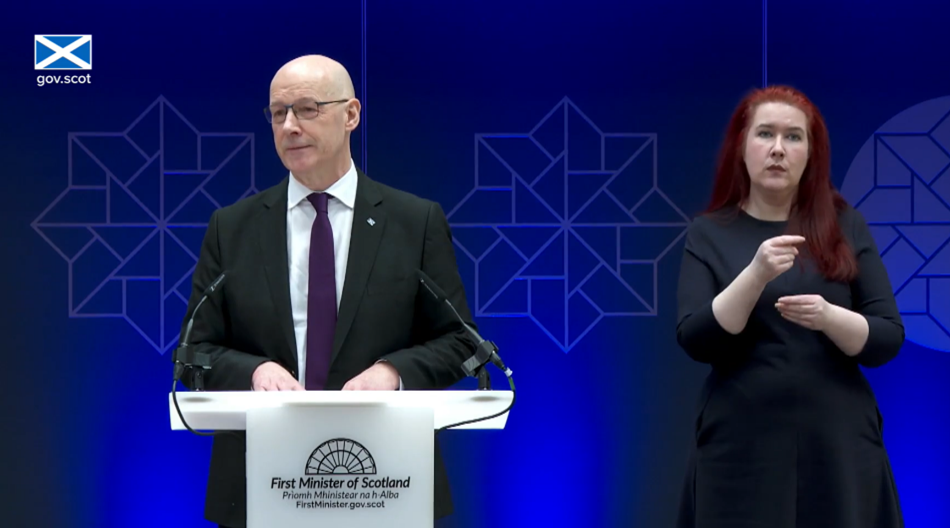
In a speech this morning, First Minister John Swinney launched Scotland’s ‘NHS renewal framework’, outlining priorities for the NHS, from investing in prevention and local health services to achieve the “full potential of innovation”.
This includes £10.5m earmarked in the draft budget for building GP capacity and the establishment of centres of excellence for cancer, gynaecology, ophthalmology, orthopaedics and radiology.
The investment in GPs will include work to enable more proactive outreach to people at high-risk of cardiovascular disease or frailty, to reduce their risk – to commence in April 2025.
NHS Scotland Pharmacy First, wherein community pharmacists prescribe a small range of treatments to people with common illnesses, will also expand to support pharmacies to treat a greater number of conditions and prevent unnecessary GP visits.
Mr Swinney emphasised the need of coordinated action and investment to deliver the change needed for staff and patients, adding that seeing the NHS thrive is “personal for all of us”.
While recognising the “tremendous pressures” beset by waiting list backlogs and delayed discharges, he said the foundations for NHS recovery are strong.
He told his audience at the National Robotarium:
“How do we ensure our health service is not just the best in these isles but the best it can possibly be?
“There is no ‘magic bullet’. We have heard the advice from those with direct, frontline experience that helped us develop a clear understanding of where the challenges are, and what changes are needed.
“First, to reduce the immediate pressures across the NHS. Second, to shift the balance of care from acute services to the community. Third, to use innovation – digital and technological – to improve access to care.”
To do this, Mr Swinney said that frailty teams will be “at the front door of every A&E department” by this summer to help frail patients with complex needs “bypass” busy A&Es to receive specialist care – at home or in hospital.
He added that the latest innovations in genetic testing will be harnessed to improve tailored treatment, and there will be more digital support for long-term conditions.
Partnership-working
Mr Swinney said progress will be made across multiple fronts, balancing the “sometimes competing demands” through working alongside health and social care workers at all levels, local government, the third sector, and patient groups.
He added reform must be “fundamentally patient-centred”, emphasising the need for a more connected health and social care system – despite the government last week scrapping its planned reforms to integration joint boards for health and social care.
The First Minister said he remains committed to protecting the NHS from privatisation – a pledge he and Scotland’s health secretary made as they kicked off the debate on NHS reform last year.
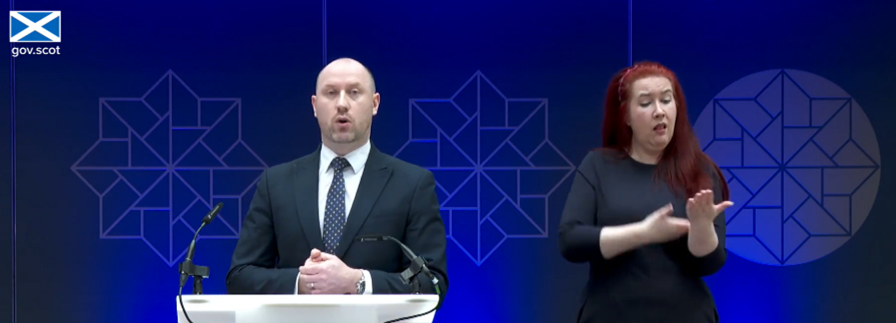
Addressing the same event, Cabinet Secretary for Health and Social Care Neil Gray said that NHS reform will “only be fully realised” with close collaboration between health and social care services.
He said the vision laid out last year will be realised through this framework “empowered” by Scotland’s proposed budget for health and care:
“That vision remains one of enabling and empowering the people of Scotland to live longer, healthier and more fulfilling lives – a guide to the work which we and the whole system, with the spirit of collaboration in mind, are doing now.
“The budget and the framework work towards that vision by supporting plans that improve population health, focus on prevention and early intervention, and provide quality services and maximise access.”
Mr Gray also told parliament that Scotland’s population health framework to address inequalities will be published this spring, while targeted investment will include a 7% increase to dental students from September 2025.
He said the sixth rapid cancer diagnostic service will open in Forth Valley this spring for patients with non-specific cancer symptoms.
Commitments on capacity
The speech come against a backdrop of significant problems for the NHS in Scotland, with nurses sharing that corridor care has become ‘the norm’ while the latest figures showing spend on agency staff to fill NHS gaps reaching as high 400% in some health boards.
The First Minister said delayed discharges and increasing waiting times are “not acceptable”, committing to a “substantial increase in capacity” to reduce waits.
He said the government will reveal an enhanced regional delivery model and deliver over 150,000 extra appointments and procedures both in hospitals and communities this year.
These extra appointments will include 10,000 extra procedures through smarter working in the National Treatment Centres and additional procedures at other sites set to become “centres of excellences” as a result of government investment.
Mr Swinney added that Scotland will “shift more care into communities and homes”.
Hospital at home will be expanded to at least 2,000 virtual beds by December 2026, while GP and community services will be provided with the resources they need to “play a greater role” in the health system.
Meanwhile, patients in Lanarkshire will be the first to trial a Scottish health and social care app – the long-promised ‘Digital Front Door’ – from December 2025.
Over the coming weeks, ministers say they will share details of this renewal plan and what it will mean in practice with the Scottish parliament, before MSPs vote on the draft Scottish budget.
Read more: Scheme for GPs to help lost patients extended; Chief medic: Innovate to tackle health & planet crises; Scotland ‘sleepwalking’ into private healthcare; NHS will “struggle to see out” 2025, say doctors; NHS Scotland: waiting lists and beyond; NHS is not a ‘political football’, warns BMA
|