|
Borderers saddle up for health |
Related newsInpatient CAMHS care too variable Skin test could predict self-harm Childhood adversity health impacts felt at 50 revealed Mental health book: Molly and Mr Monkey Health and charity leaders join forces for NHS reform Borders welcomes community dementia nurse Call to expand Huntington’s specialist care NHS Borders decides it’s time for change Honest conversation needed as NHS Borders struggles on Residential rehabilitation capacity boosted by £14m 
|
|
Panophotograph
|
||
|
||
|
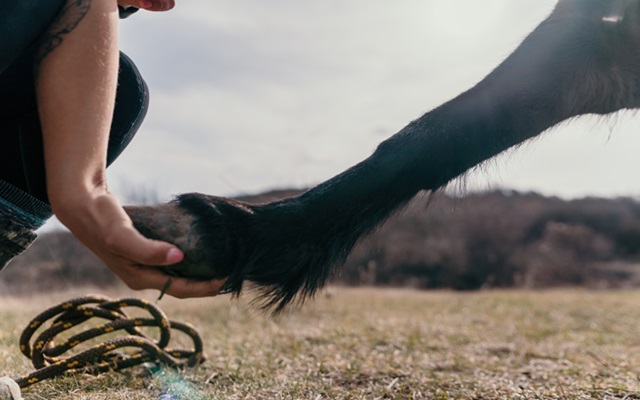
A social enterprise based in the Scottish Borders is using the healing embrace of horse companionship to support physical, mental and community wellness.
In this next edition of Connected Communities, the ALLIANCE’s Calum Clark speaks to the founder of Eat Sleep Ride about how nurturing relationships with horses can help young people better connect with the world around them.
By bringing people together across the Scottish Borders, Eat Sleep Ride highlights nature as having powerful therapeutic qualities that are not only beneficial for health but can reflect the importance of working collaboratively when overcoming barriers and creating strong and trusting relationships.
Based on the lived experience of founder Danielle McKinnon, Eat Sleep Ride demonstrates the health benefits of connecting with horses and nature, whilst addressing social needs through training, work experience, employment, volunteering, counselling, and peer support.
The main beneficiaries include isolated families, young people experiencing trauma, and adults struggling with their mental health, which led Danielle to promote therapy around horses and nature as an innovative approach to achieving better health and social outcomes.
“You can speak your true self to a horse, which is why our therapy is done with horses and around nature”, Danielle says. “It’s so authentic because horses don’t care what you look like or what you have to say – they care about the inner being.”
In line with this, the organisation utilise herd observation to analyse the fostering of relationships in horses, whilst highlighting the benefits of staying closely connected and working collaboratively in integrated ways.
“As a social herd animal, horses don’t scatter in times of trouble”, Danielle continued. “They trust their herd and navigate uncertainty together by moving with congruence, which is the biggest learning curve for the kids, given we have an education system in which we have to pass or fail.”
Eat Sleep Ride is an organisation committed to securing better health and social outcomes for its community, with this including cultural change in the form of climate action, as well as putting people at the centre to showcase the benefits of integrated practices, such as partnership working and fostering authentic relationships.
“Generally, we only use ethical and sustainable resources so we can continue to highlight our stance on climate change”, Danielles says. “A lot of the community activities we do are centred around food, climate change, music, and bringing people together where they can socialise.”
With integration at the heart, one of these events was a ‘Be Yourself’ day, which was initiated by the young people and encouraged them to think creatively, be resilient in overcoming challenges, and forge strong relationships built on compassion and understanding.
“One girl focused on conversations around mental health by asking adults how they would help her if they saw her in a state of panic”, Danielle says. “This was a great way of breaking through a barrier by ensuring adults could provide examples of how they could help if she was struggling, so it was a great initiative.”
Eat Sleep Ride has supported around 300 young people to take positive steps towards further education or employment through therapeutic interventions, which Danielle attributes to the healing qualities of nature that have assisted them in overcoming barriers and building empathetic relationships in line with the themes of integration.
“I think that having to get up every day and show your real self is really beneficial because you recognise what you can and can’t do”, Danielle says. “It’s powerful being in your own reflective state, and that’s where our horses come in as they’re consistently showing us how to behave – they’re the teachers in all of this.”
The views of columnists and people who write other guest insights articles are their own.
This article was originally published as part of the Connected Communities series by the Health and Social Care Alliance (the ALLIANCE).
The original can be accessed here: Integration in nature forging compassionate relationships in the Borders
Read more from Connected Communitites: Self-management empowers Highland communities; Ten years of Men's Sheds in Scotland; Transforming attitudes to ADHD in Scotland Tags: Child Health; Mental Health. |