|
Call to expand Huntington’s specialist care |
Related newsDelay to newborn screening for SMA “nonsensical” Scots honoured across health and care Dementia campaign success to inform government actions Scotland to work with UK on Physician Associate reform Government boosts health innovation funding Fair funding to see Scotland lead dementia research New health & social care governance initiative EU staff qualifications & registrations confirmed Health Secretary to give evidence on rural GPs Retired doctors to address rural recruitment gaps Westminster committee launches drug misuse inquiry "Poverty remains a problem" for children in Scotland 
|
|
Image Credit: © angellodeco
|
||
|
||
|
New analysis has for the first time estimated the number of people at risk of Huntington’s disease in North Scotland.
With the region having one of the highest rates of the degenerative brain condition in the world, Aberdeen researchers leading the work say the Scottish government must now work to expand specialist Huntington’s services.
For the first time in 35 years, Aberdeen university researchers have accurately counted the number of people who have the gene in the North of Scotland and have not been tested.
Huntington’s disease runs in families, and every child of someone affected has a 50:50 chance of inheriting the condition.
The researchers used NHS family-based records to find the number of people who have the Huntington’s disease gene, while previous research only estimated from those who presented for a Huntington’s test.
Huntington’s slowly damages the brain, eventually taking away the person’s ability to walk, talk, eat and drink, make their own decisions and care for themselves.
The researchers say their findings now show government figures fall short of the true number of Scots affected.
According to the study, around 14.5 per 100,000 people in the North of Scotland have Huntington’s, more than five times the worldwide rate of 2.71 per 100,000 people.
There are also more than 160 adults in the region who have the Huntington’s gene but have not been tested.
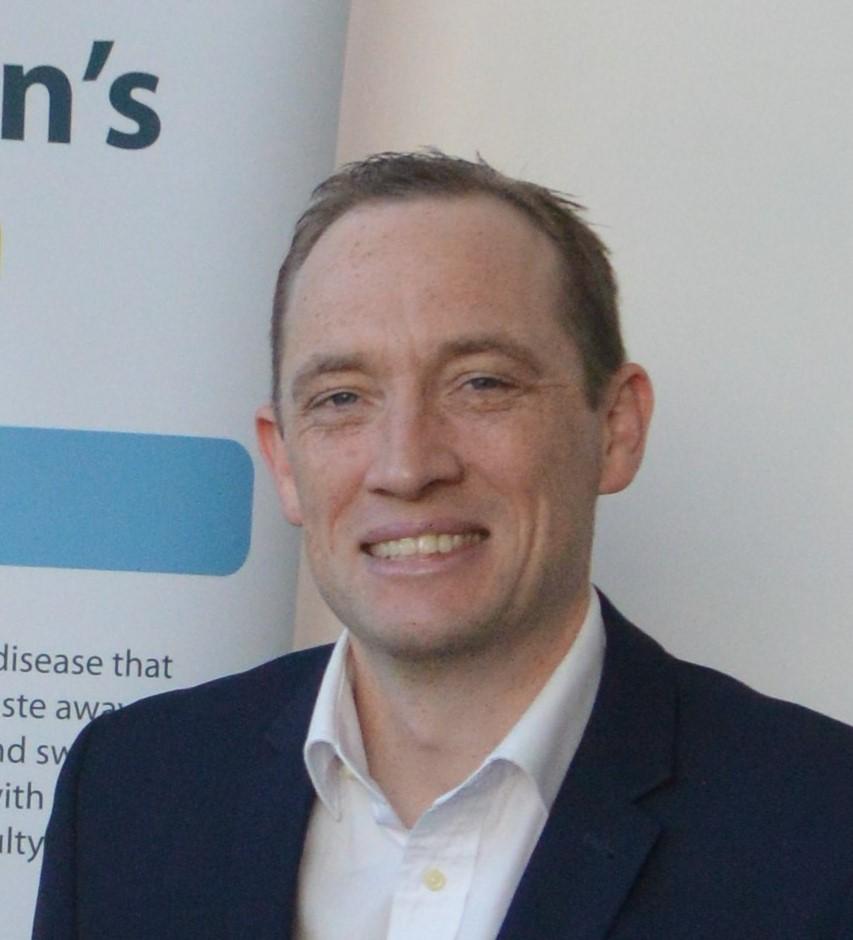
Led by the University of Aberdeen’s Professor Zosia Miedzybrodzka, Clinical Lead for Huntington’s in North Scotland and NHS Grampian’s Heather Cruickshank, the study call for services to be expanded across the area.
Professor Miedzybrodzka said this is “crucial” to know so that health boards can properly plan now for care and treatments when they become available in the future.
She said the 2022 government report underestimated Huntington’s disease rates and failed to account for people at risk of the genetic disease.
National charity Scottish Huntington’s Association has also issued renewed calls for specialist services to “expanded urgently”, as this research reinforces the need for action to support families affected by Huntington’s.
Heather Cruickshank, Genetic Counsellor NHS Grampian said that going forward services across Scotland must plan to treat those currently uncounted alongside those already diagnosed:
“In 1989, testing was not possible, fewer people had a diagnosis of Huntington’s disease, and families were larger.
“But even now, despite high rates of testing, most people at risk of developing Huntington’s disease in Scotland have not had a test.
“Regional variations in rates will become more important, including genetic counselling and testing, management, and treatment delivery.
“Furthermore, better knowledge of the numbers of people who could benefit will encourage investment into drug discovery.”
This comes after concerns were raised in Scottish parliament over Aberdeenshire health and social care partnership’s decision last month to stop funding Huntington’s specialist service.
The Aberdeen researchers’ analysis shows that, on average, every person who has been diagnosed with Huntington’s disease will have at least another two relatives who also carry the gene.
This means there are hundreds of people in Northern Scotland who could be considered for treatment when these become available in the future.
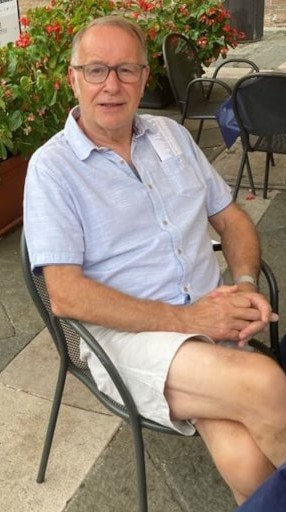
Brian Watt, 69, from Moray, is living with a Huntington’s diagnosis he received in 2016 and said it gave him access to counselling offered by the Huntington’s disease clinic in Aberdeen:
“I knew there was Huntington’s disease in my family – my father and my sister were both diagnosed.
“I wasn’t sure whether to go ahead with the test, but I am glad I did.”
He said the counselling was “hugely important” and “absolutely necessary” to be able to process the news regardless of the result.
Having a test remains a free choice for people from Huntington’s disease families.
Scottish Huntington’s Association says it reinforces the need to invest in specialist care and support for people impacted by what is a notoriously complex and difficult to manage condition.
Chief Executive Officer of Scottish Huntington’s Association, Alistair Haw, said the condition is “widely misunderstood and extremely difficult to manage” and immediate action is needed to improve care:
“Earlier this term, a Scottish parliament motion calling for an expansion of specialist Huntington’s disease services in light of rising cases became the most supported motion in the history of devolution.
“This study further strengthens the case for immediate action to expand specialist services for families impacted by Huntington’s.
“Specialist services are not some ‘nice to have’ optional extra but an absolute necessity to prevent patients reaching crisis point and presenting to acute emergency statutory services.
“Specialist Huntington’s services need to be expanded urgently – a message further reinforced by this new and clear evidence which has major implications for health and social care providers throughout Scotland and beyond.”
Read more: Action needed on women’s brain health; Fair funding to see Scotland lead dementia research; Glasgow in ‘significant' neurology trial
Sign up to receive our bulletin for key health & social care updates straight to your inbox. |