|
Psychiatrists in ‘disbelief’ over cut funding |
Related newsCall for ‘urgent’ review of ADHD and autism services ‘Bleak picture’: health leaders react to NHS review New taskforce to drive ADHD and autism improvements New social care minister appointed Health and charity leaders join forces for NHS reform ALLIANCE: Third sector can’t be taken for granted Scientists to help cut NHS medical device waste Edinburgh IJB faces judicial review over cuts Scotland’s new Chief Nurse appointed Urgent plea to safeguard advocacy amid local cuts New gene study offers arthritis treatment insights New Edinburgh hub set to transform global healthcare 
|
|

Image Credit: © makibestphoto
|
||
|
||
|
Health and social care leaders across Scotland have issued mixed responses to the government’s latest budget announcement with the Royal College of Psychiatrists in Scotland expressing “utter disbelief” at the mental health budget cuts.
This week saw Deputy First Minister and Cabinet Secretary for Finance, Shona Robinson published the government’s spending plans for the coming year – announcing that the government will hold a ‘national conversation’ on NHS Scotland’s future.
Unveiling the draft Scottish budget, Ms Robinson revealed £19.5bn funding for health and social care for 2024-25, a 3.4% increase that falls below levels of inflation.
Mental health
As part of this – and following almost £30m in cuts to mental health services for 2023-24 announced just weeks ago – mental health funding for 2024-25 is set at £290.2m.
In September, Audit Scotland found that the mental health workforce is ‘struggling to meet demand’ despite increased funding over the years – prompting Holyrood’s Public Audit Committee to launch a probe of mental health services.
Responding to the spending plans for 2024-2025, senior psychiatrists expressed dismay as direct funding for mental health services was effectively to be ‘slashed’ amid high inflation rates.
The Royal College of Psychiatrists (RCPsych) Scotland says that, for two years running, the government has initially committed around £290m for mental health before reducing the allocation of funding during the year.
Such reductions compounded by inflation have seen the budget fall by 16% over the last two years according to RCPsych – despite a ministerial pledge to spend 10% of total NHS funding on mental health.
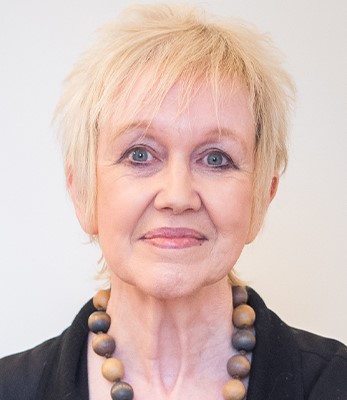
Dr Jane Morris, Chair of RCPsych Scotland, said:
“There is utter disbelief that once again, the direct mental health budget has effectively been reduced and the Scottish government has failed to meet its own targets.
“We’re well aware national finances are extremely tight, but we must continue to ensure we keep working toward parity with physical health and mental health does not bear the brunt of cutbacks.
“Ministers will claim they have increased the budget when really it amounts to a reduction given the current economic climate. However even before the financial crisis our services were struggling.
“That’s why we’re calling on ministers to increase spending on mental health to their own promises of 10% of the total NHS spend and 1% for CAMHS.”
The latest figures from Public Health Scotland show that while near this at 8.8% for 2021-22, the closest budgets have been to reaching this is in 2008-9.
Now, RCPsych is calling for government to reconsider its budget ‘as a matter of urgency’ saying the toll on the public’s mental health needs cannot be ignored.
Dr Morris said the government must first restore the in-year cuts “immediately”, adding:
“We’d also urge the Scottish government to take steps to ring-fence that money rather than leave it to individual Health Boards – otherwise we will continue to see a postcode lottery of care across the country.”
A YouGov poll of 1,103 people in Scotland earlier this year, revealed that over half (53%) are not confident they or a family member could access mental health support, if needed.
Only 11% were optimistic that mental health services will improve over the next two years and 58% think that not enough is being spent on mental health.
Meanwhile other bodies have been giving their reaction to the budget plans.
The body representing local authorities, which oversee provision of most of Scotland’s social care, COSLA, says it will hold an urgent meeting this week as it says the ‘budget reality’ for local government is a £99.5m cut.
A welcome conversation
Despite concerns, the Royal College of Physicians of Edinburgh (RCPEdin) says it recognises the “fiscal pressures”, in the light of Audit Scotland revealing a £1bn shortfall facing public services in October.
Within that context, Professor Andrew Elder, President of RCPEdin says the College welcomes the government’s announcement of over £550m additional funding for health boards, adding:
“While that sounds like a lot of money - and it certainly is - we understand that it will be spread across Scotland and so it’s important that the money is spent wisely. Our hope is that health boards can use any additional funding to tackle waiting lists and challenges facing local health services.
“Looking ahead to 2024, the Scottish government must address delayed discharges, which are currently causing a backlog at the “front door” of hospitals including A&E and work tirelessly to tackle Scotland’s long patient waiting lists.
“We welcome the commitment to hold a “national conversation” on NHS reform, new services and innovations.”
Professor Elder added that members of the public “must be front and centre” in discussions around the future delivery of services and funding for health and care.
A missed opportunity
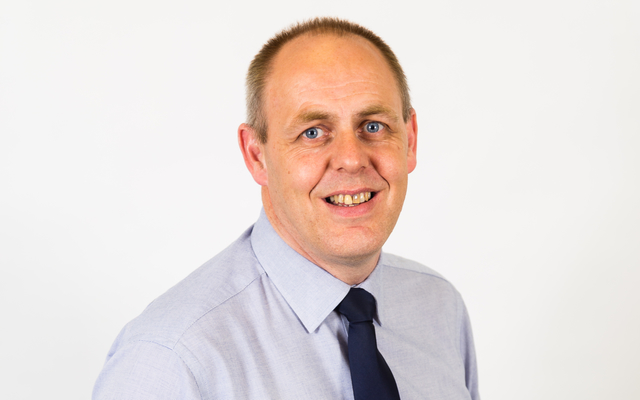
Colin Poolman, Director of the Royal College of Nursing (RCN) Scotland said this budget is “light on detail” for addressing the nursing workforce crisis, adding:
“It was a missed opportunity to set out the investment needed to support and retain our existing nursing workforce and to set out how we can grow and develop our nursing workforce of the future.”
He said that RCN members are still waiting for key elements agreed in this year’s Agenda for Change pay deal to be implemented and are questioning the government’s commitment to nursing.
While recognising the need for a national conversation, RCN Scotland is urging the Cabinet Secretary to confirm that agreed areas of reform to support the nursing workforce are now underway – with Mr Poolman adding:
“In the longer term, there needs to be an open and honest discussion about the level of investment and new ways of working that will be required to have a sustainable workforce that can meet the continued growing demands on our health and care services.”
Read more: Independent Living Fund to reopen next year; First Minister urged to rethink social care pay rise; Urgent workforce reforms needed for Scotland's NHS; Economic change key to Scotland's health inequalities; Concern over drop in nursing student number
Sign up to our bulletin for key health & social care updates straight to your inbox and you can follow healthandcare.scot on Google News. |