|
Unmet need in Scotland’s drug crisis revealed |
Related newsGPs are the solution to NHS crisis, says College Partnership urges action over Scotland’s mental health Dementia campaign success to inform government actions Drug harms on the rise in Scotland NHS Fife embracing music therapy Health and charity leaders join forces for NHS reform 
|
|
|
||
|
||
|
Scots affected by drugs say while peer groups provide vital support, but one-on-one mental health care is lacking across the country and half of recovery service users revealed they have been met with stigma.
The Public Health Scotland (PHS) evaluation of the Scottish government’s national mission on the drug crisis heard directly those using drugs or in recovery across Scotland.
The findings paint a mixed picture, showing that while support has improved there are ‘substantial’ ongoing challenges to address.
Of the 494 responses, around 15% were in recovery, having not used drugs in the last six months.
Around seven in ten reported that support from services is better than two years ago, but two in ten said that support from alcohol and drug services is worse than two years ago because of longer waits or being seen less frequently.
While half of respondents said they were getting ‘all or most’ of the support they need, 14% reported they were getting ‘none of the support they needed’.
PHS says this echoes frontline staff reporting ‘trade offs’ of having to deprioritise some client needs.
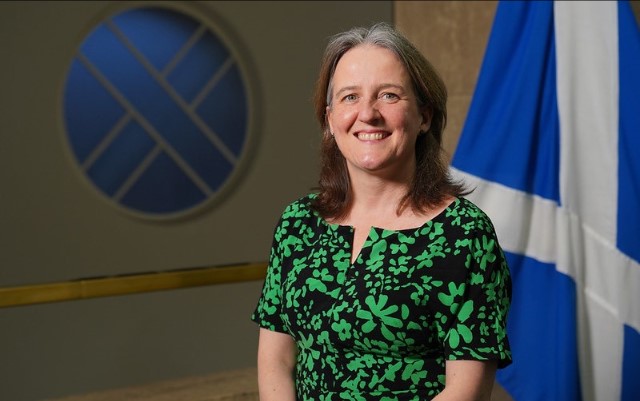
Scotland’s Drugs Policy Minister Maree Todd told healthandcare.scot the findings will inform future work to support people affected by substance misuse:
“I welcome this independent evaluation of our National Mission on drugs.
“I am determined to ensure people affected by substance use receive the help they need to address the harm caused and save lives.
“It is critical that we listen and learn from the experiences of those who use these services and that they are consulted as we improve them.
“We will use the results of this study to see what other measures we can take to improve the lives of all those affected by substance misuse.”
Uneven picture
PHS also reveals that higher levels of unmet need in local recovery services were experienced by women, people who are homeless and those living in rural areas.
PHS says services must get better for people with a mix of challenges to them using services.
Mental health support emerged as the most prominent need for people experiencing drug addiction.
One respondent said:
“The mental health side is very lacking, the long waiting lists means people still struggle with their mental health and trauma whilst dealing with their addiction.”
Some said although services have improved, there are “gaps” and other respondents explained that stigma or lack of capacity in mental health services have made accessing care a challenge.
PHS says considerable unmet need for residential rehab also remains despite the level of focus and investment by government, with 45% of people in rehab reporting it had been difficult to get a place.
Stigma in support services
Most respondents said they had received support from their local alcohol and drug recovery service in the last year, with 60% reporting the overall care received was excellent or good.
The evaluation found that experiences of care varied with how regularly individuals were seen.
Those seen most frequently were more likely to report good or excellent care, such as feeling listened to, treatment with compassion and involved in decision-making.
However, respondents with negative experiences felt that staff had different ideas about their treatment goals, with around third feeling uncomfortable or judged.
One person shared they feel “very dismissed” and regularly “intimidated in the NHS addiction services”, often leaving an interaction feeling worse than when they came in.
Around half reported experiencing stigma or discrimination from their local recovery service at some point in the last year.
Those respondents with a learning disability were more likely to have ‘always or often’ experienced stigma or discrimination from their local service.
Meanwhile, one respondent said accessing psychological or psychiatry support while using drugs is “still a no go, which is a shame as that is the reason I am using substances.”
Others shared that trauma support is “massively missing” despite trauma being connected to their drug use.
Another respondent shared that they don’t feel listened to by mental health services, but third sector peer support services have helped them:
“I feel heard, and they have been so supportive. This is what has been missing.”
Peer support like recovery cafes or networks had the second highest level of total demand after mental health and counselling. Around 80% of those in recovery groups felt these had been supportive.
Alongside improving outreach and access to more peer support, respondents said they would like to see lived experience inform statutory services.
Pharmacists emerged as most likely to be supportive, with respondents four times as likely to describe their experience with pharmacists as supportive than unsupportive.
Respondents shared the value of same day or next day prescribing, saying it makes a “massive difference”.
By contrast, some respondents suggested GPs “don’t understand the impact of addiction”.
The report also heard that the treatment standards introduced as part of the government’s national mission on drug standards have improved services.
One person said “staff treat me much better” because of the standards which focus on same-day access, involving and informing people in decisions around medication and treatment.
PHS says a more targeted focus is needed on some key areas for Scotland’s drug crisis, including improved access to specialist mental health care and embedding trauma-informed work across all services.
It also says the Scottish government should invest in peer support, third sector and community recovery groups.
Read more: Smashing stigma to save lives in Scotland; Scots from poorer areas less likely to survive stroke; Safe consumption rooms key for drug harms; Citizens’ panel to help drugs crisis response; A team sport: caring from the community up; Families to shape campaign against stigma; Law change needed for Scotland’s drug crisis; Watchdog criticises homelessness service cuts
Sign up to our bulletin for key health & social care updates straight to your inbox. |