|
Meet the secret weapons of GPs |
Related newsConsultation begins on Renfrewshire's strategic plan GPs are the solution to NHS crisis, says College Partnership urges action over Scotland’s mental health Health and charity leaders join forces for NHS reform Edinburgh welcomes outdoor brain health centre ‘Substantial’ health harms of gambling to be tackled Law change needed for Scotland’s drug crisis Depression linked to poorer physical health outcomes Medics warn pollution is risking children’s health Peer support ‘crucial’ in suicide prevention Cancer workforce “not on right trajectory” Support grows for LEZs in Scotland 
|
|

© Photographee.eu
|
||
|
||
|
Community link workers are the quiet catalysts behind powerful change – empowering and supporting people referred to them, who are facing issues like poverty, housing, debt, loneliness and abuse, to take control of their health and wellbeing.
Now, their contributions across Scotland will be celebrated on a national stage at this year’s Scottish Community Link Worker Network conference.
Ahead of the inaugural awards ceremony on 7 May, healthandcare.scot caught up with each of the individual finalists to hear about the skills and experiences they rely on day-to-day and the moments that make it all worthwhile.
UPDATE 07/05/2025: Congratulations to Outstanding Community Link Worker of the Year - Dawn Craig, Carr Gomm
A well-kent face
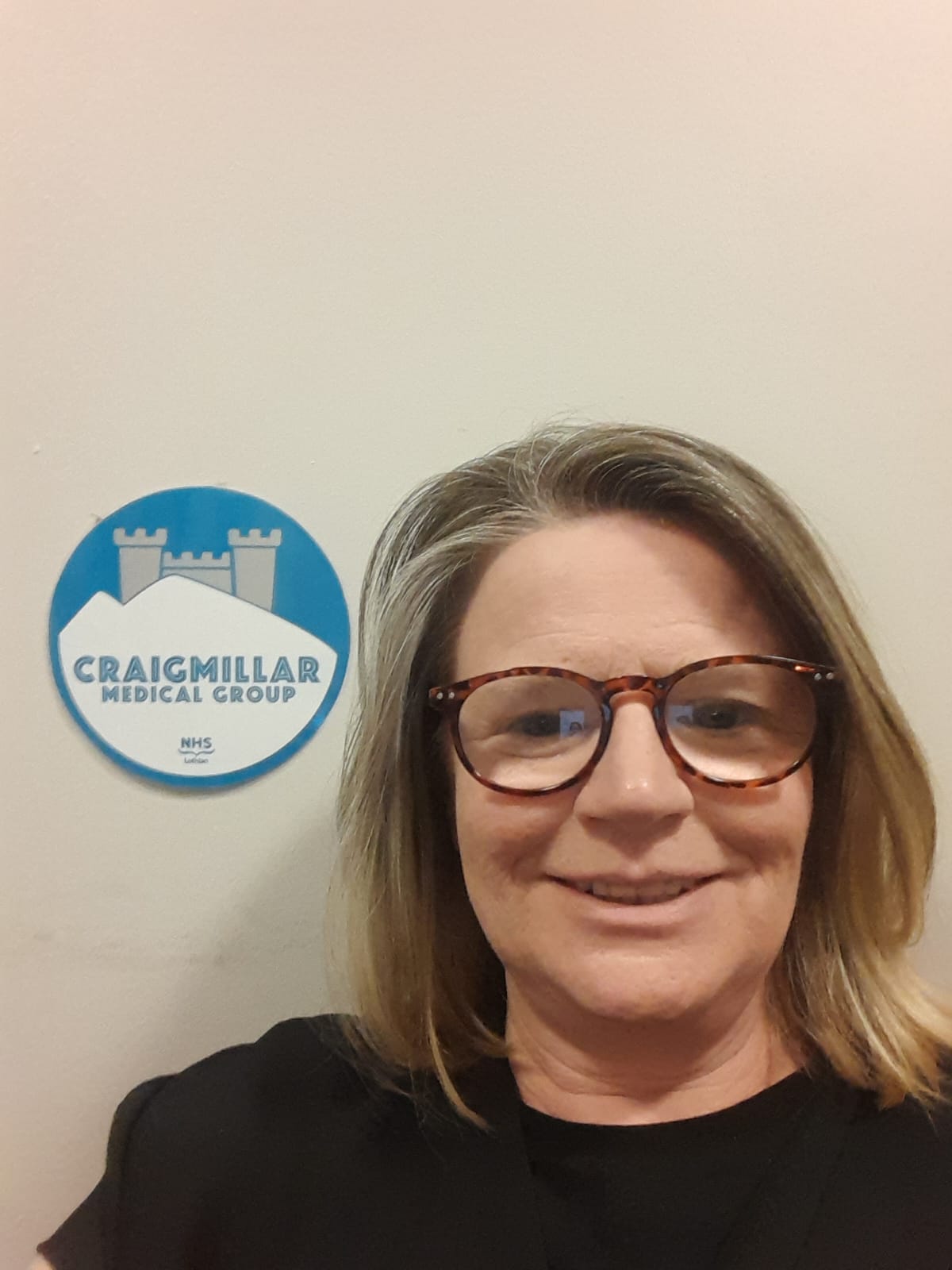
It’s been 18 months since Dawn Craig took up her role as a community link worker based in Edinburgh’s Craigmillar Medical Group, one of Scotland’s most deprived GP practice areas.
In that time, Dawn has worked with local medical students to introduce social prescribing and supported many patients to make positive and lasting changes in their lives.
She says building relationships with the practice staff was a priority for her from day one:
“We are working together [in the practice] in a holistic approach. They do medical, I do non-medical and then we follow up together.
“We sometimes do joint appointments. Patients trust me, so we can then meet together with the doctor. Rather than just getting referred on to, keeping up those connections with everyone in your surgery is really important.”
Even more important to Dawn, who is employed by social care charity Carr Gomm, is building trust with the patients she supports.
She sees her ability to offer those who need it an hour-long appointment as a “luxury” which – in time – allows her to really get to know patients, listening to their needs and working together on a plan of action:
“It’s all about being very flexible with people and getting them into that routine.
“Because we do know that if people miss an appointment, they’re likely to miss the next one, because then they feel a bit embarrassed about coming back. So I do what I can to make sure that if you come to an appointment and we’ve only got 15 minutes left, then at least we’ve had 15 minutes together.
“It’s all about trying to build that relationship and give them that confidence that they know they can come in and see me.”
And Dawn’s work in the practice is only the beginning: she is keen the role of a link worker shouldn’t be limited to people coming to see her in the practice, but also getting to know local services.
“I walk along the street and all the other organisations know me,” she says. “If I’m taking someone to a group and no one knows me, it makes it harder for the person.
“So with all the projects in the area, I’ve tried to be a visible part of the community which breaks down barriers for other people. I think that’s really helped people.”
A wealth of local experience
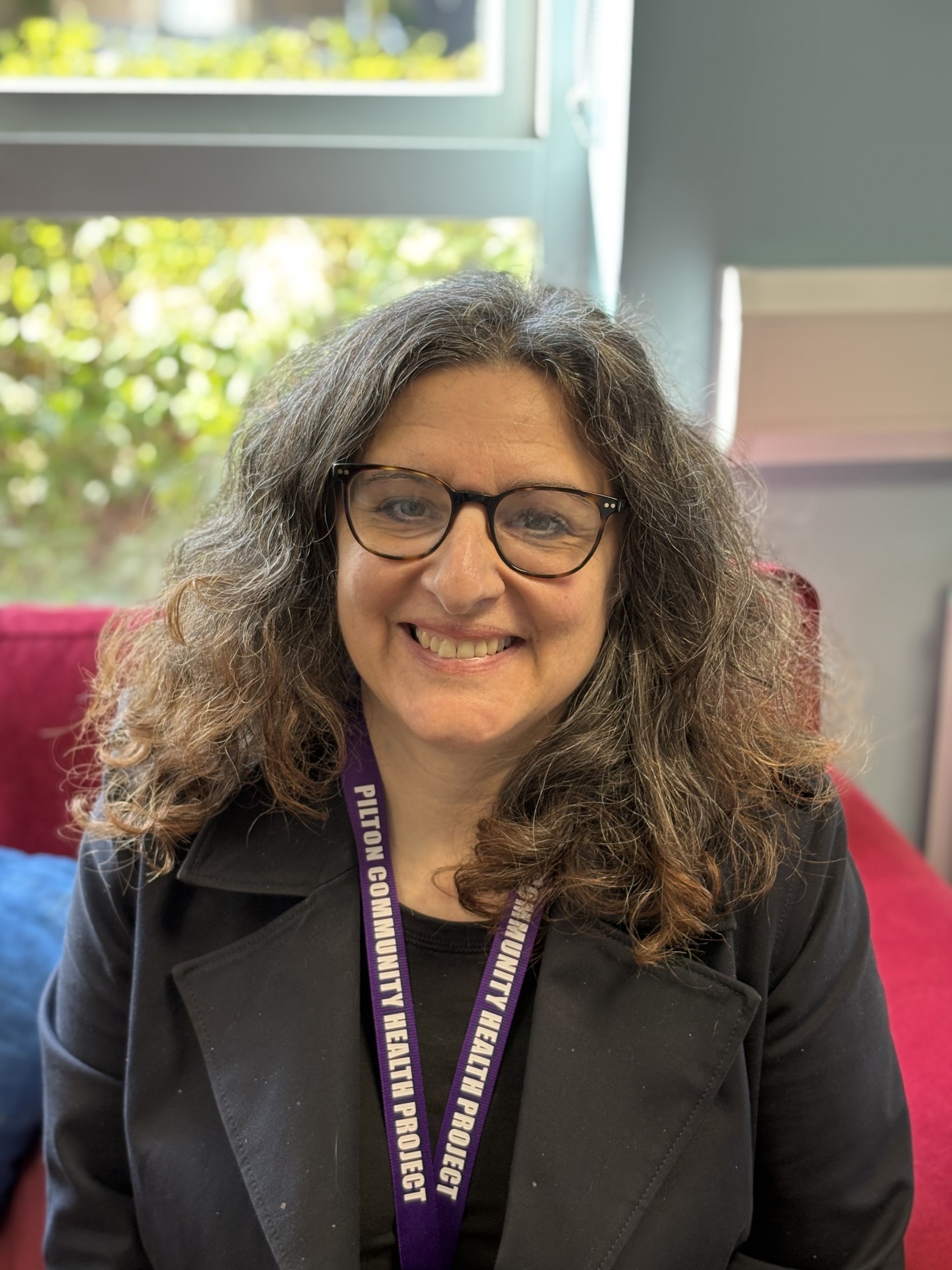
Sophie Carmichael is also based in Edinburgh, supporting people in general practices across the north of the city.
Now in her seventh year as a link worker, Sophie has had to navigate changes in the local landscape during and following the COVID-19 pandemic, working with services and community groups to support her patients to live well.
“It’s a job that really just allows you to sit at the heart of the community,” she says. “Part of it is to advocate for people – often people who don’t get heard.”
Splitting her time between Leith Mount and Long House surgeries, she works with patients to get to the core of the issues impacting their wellbeing, linking them with the services, programmes and opportunities which can make a real impact in their lives.
Sophie is one of three community link workers employed by charity Pilton Community Health Project, which itself runs a range of community-based groups and support programmes in North Edinburgh.
Sophie has gone even further, by partnering with two local voluntary organisations to establish a walking group in one of her practices, supporting people to explore green and blue spaces around the city.
Sophie says those considering the move to become a link worker should seize the opportunity to make a difference locally.
Building relationships
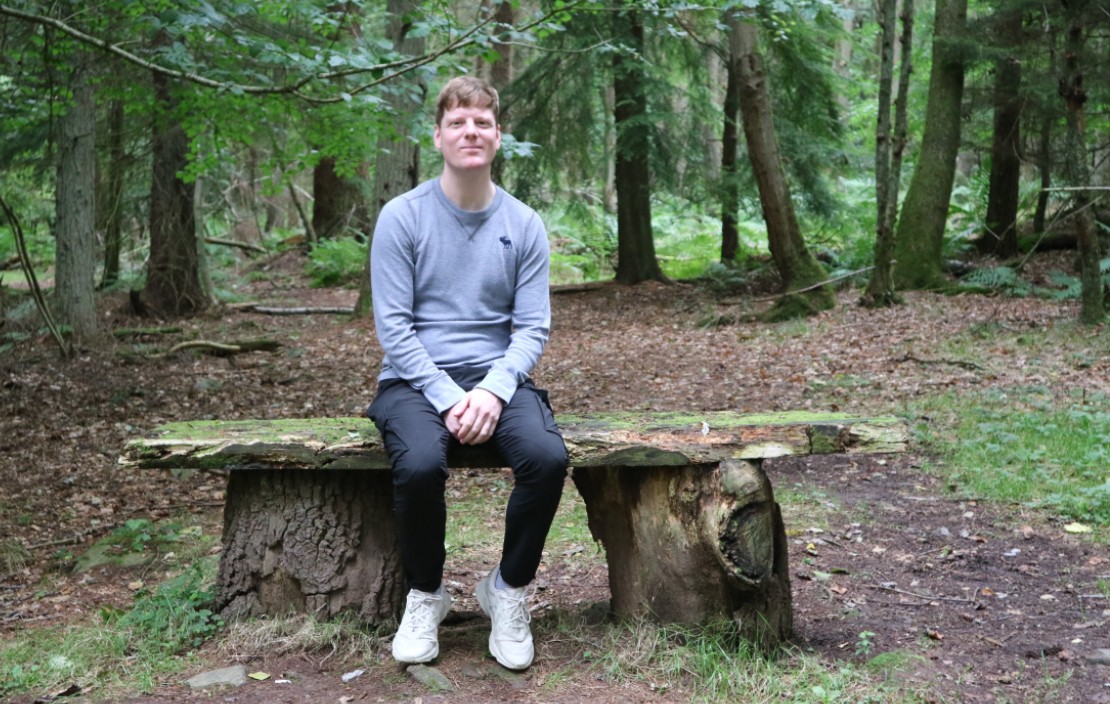
Link working is a family affair for Liam McGinlay, whose brother works alongside him in the Dundee team.
For Liam, being a link worker is about quietly working away with patients to understand their story and walking alongside them to create change:
“A key part of our role is advocating for patients. It’s being their voice at a stage of their lives where they’re struggling to find themselves, so we can step in and support them.
“We never use the word signposting: we link people to services, then find out if it’s working for
them, and we’re with them every step of the way.”
The approach to link working in Dundee sees link workers – all of whom are employed directly by NHS Tayside or the council – take on a ‘case management’ role in general practices, supported by associate practitioners who bridge the gap to local services and activities.
Together, they support patients for up to 20 weeks.
“It’s about building up a patient to empower them and develop their resilience and see that carry it on,” says Liam. “Since we’re with them for up to 20 weeks, we do see patients moving toward those changes they want to make.
“And when you see that happen, that’s why you do the job. You know you’re making a difference.”
The work done by the Community Link Worker Network, hosted by Voluntary Health Scotland, in amplifying that positive impact and making sure decisionmakers take notice is also key to safeguarding the future of the profession, says Liam:
“I also think the awards are a great way of showcasing what we’re doing across Scotland. [The network] is getting the word out there and helping to create those policy shifts that will ensure we are best supported to do as best a job as we can.”
Read more: Film series showcases power of link workers; ALLIANCE: Action needed from Scotland’s leaders; Insight: Link workers’ vital role; Link workers outlook: sustainability top of agenda
|