|
Health and care workforce to be bolstered over winter |
Related newsHealth and charity leaders join forces for NHS reform All public bodies must focus on health, urges charity Chief Medical Officer: ‘Critical connections’ priority First Minster pledges people will see GP sooner “Relentless focus” on health inequalities Workforce and public to inform NHS reform 
|
|

|
||
|
||
|
Increasing Scotland’s NHS 24 call handlers, expanding health and care students placements and exploring how volunteers can uplift the health and social care system are among Scotland’s health and social care winter plans.
However, medical royal colleges say some commitments lack the funding and resources needed to deliver meaningful change.
Just weeks after the Scottish government promised to up NHS activity with its latest Programme for Government, its Winter Plan outlines what the government and local authorities will do to support services going into winter, including expanding the number of NHS 24 call handlers.
Mobilising the workforce
Key to the Winter Plan is maximising the capacity and capability of all health and social care services to reduce long waits, and supporting the wellbeing of the health and social care workforce to improve retention.
Alongside expanding NHS 24, the government commits to encouraging health boards to promote part-time student work opportunities within health, social care and social work, in an attempt to build short-term capacity over winter.
In social care, the government seeks to develop paid college placement work in adult social care by helping deliver a ‘blueprint’ for employers to increase the number of successful paid placements.
It also hopes to support any retiring staff who wish to continue in employment to return to work.
Meanwhile, theatres are set to see expanded sessions in the evenings and weekends to meet the needs of patients waiting for operations.
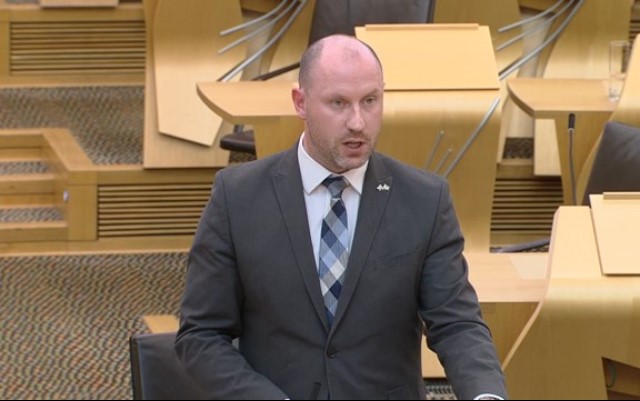
Scotland’s Cabinet Secretary for Health and Social Care, Neil Gray said that as winter approaches, there will be “surges in demand” across health, care and social work services and investment will focus frontline services:
“Our joint-plan Winter Plan with COSLA is just one part of a wider programme of work to respond to heightened demand.
“A record number of NHS 24 call handlers will be available this winter to direct people to the most appropriate care, helping reduce unnecessary A&E attendances.
“We will continue our work to reduce delayed discharge in hospitals with an increased focus on effective discharge planning and protecting care at home packages.
“We will also ensure planned care capacity is protected as much as possible in the face of winter pressure, so patients are seen as quickly as possible.”
Mr Gray adds it is “fundamental” to protect staff wellbeing, including through improving flexible working and continued access to mental health resources to ensure staff are supported throughout winter.
Volunteers and carers
To support the increased demand during winter, the government says it will continue to explore how volunteers can provide support in discharge from hospital and helping people to appointments.
The plan states that the government and COSLA will explore how the National Volunteering Hub can be best utilised to support the health and social care system to manage pressure this winter period.
The plan says critical to enabling people to live well with the support they choose and receive care at home is strong partnership working across local authorities, providers and the third sector, clear communication over care options, and improving self-directed support – recently found to be inconsistently delivered.
It also states that valuing and supporting Scotland’s unpaid carers is key, and involving people and carers in decision-making including around hospital discharge discussions will help deliver for patients and services.
Additionally, the government says it will support unpaid carers’ own health and wellbeing with short breaks alongside helping them to engage in education, training and employ opportunities.
COSLA’s health and social care spokesperson, Councillor Paul Kelly, said the plan seeks to address “exceptional pressures” expected to face health and care services over winter:
“It is our shared responsibility to ensure that people and communities have timely access to quality care and support when they need it most.”
Investment and resources
However, the Royal College of General Practice Scotland’s Dr Chris Proven told healthandcare.scot that while he welcomes aims to deliver preventative care, improve public messaging and protect staff wellbeing – resources remain lacking:
“GPs looking at the plan will be frustrated – the right sentiments without resourcing or actionable steps aren’t enough to comfort GPs bracing a challenging winter surge.
“Alongside any short-term fixes to surges of demand on the health system, we must see long-term strategic workforce planning and investment from the Scottish government."
Meanwhile, a Royal College of Physicians of Edinburgh spokesperson told healthandcare.scot that NHS Scotland is under “very significant pressure” at all times, with demands continuing to increase.
While the College welcomes “many elements” of the plan, the spokesperson said many doctors are questioning whether proposals go far enough to prevent the greater seasonal demands of the next few months negatively impacting on patients this winter:
“It is right that the plan identifies reducing delayed discharge as a key priority but hospitals can only discharge patients safely if there are enough staffed beds and care packages in the community and for this to happen we need to see more investment in staff and capacity in the social care sector.
“We hope the Scottish government will maintain a close dialogue with health organisations, including the medical royal colleges, as we go through the next few months and will take a flexible approach to considering extra support for our clinicians over this winter.”
Read more: Workforce and public to inform NHS reform; ‘Bleak picture': health leaders react to NHS review; Urgent workforce reforms needed for Scotland's NHS; Winter funding for ambulance services
Sign up to our bulletin for key health & social care updates straight to your inbox. |