|
Workforce and public to inform NHS reform |
Related newsFirst Minster pledges people will see GP sooner Winter funding for ambulance services Holyrood ADHD and autism inquiry launched Chief Medical Officer: ‘Critical connections’ priority Health and charity leaders join forces for NHS reform Call for ‘urgent’ review of ADHD and autism services Scientists to help cut NHS medical device waste Edinburgh IJB faces judicial review over cuts Scotland’s new Chief Nurse appointed Urgent plea to safeguard advocacy amid local cuts New gene study offers arthritis treatment insights New Edinburgh hub set to transform global healthcare 
|
|
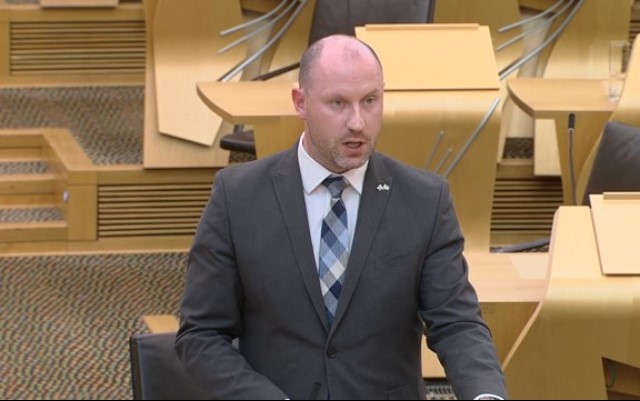
Image Credit: © Scottish parliament
|
||
|
||
|
A national programme of engagement with the workforce, service leaders, royal colleges, the third sector and the public on health and social care reform has been announced.
The Scottish government says the ‘national conversation’ will take place over the course of the next year to directly inform its plans for reform.
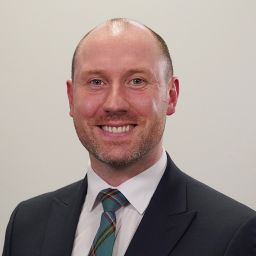
Leading a debate in Holyrood today, Health and Social Care Secretary Neil Gray told announced the engagement plans as he outlined the governments overarching vision for NHS reforms.
Key areas of focus include improving population health, investing in prevention and early intervention, providing quality services and maximising access to health and care services.
This comes after Scotland’s Cabinet Secretary for Health and Social Care and First Minister committed to keep the NHS in public hands, stating the government will “stand against any and all attempts to privatise the NHS”.
Addressing parliament, the Cabinet Secretary said “significant transformation” of the health service is urgently needed:
“Significant transformation to how our health services operate has never been more urgent and our vision for reform focusses on changes within current NHS structures to deliver for Scotland.
“I want to give our workforce the voice they deserve, and I am fully committed to listening and speaking with our amazing health workers who will inform our future plans.
“The Scottish government’s national engagement will gather insight from clinicians on how best to respond to health demands and hearing the experiences of those who care for people in Scotland is paramount.”
The government says it will deliver a series of direct engagements with the workforce, service leaders, royal colleges, third sector groups and the people of Scotland, collecting views on how to best transform services to meet changing demands.
However, Mr Gray said the focus must be on transforming current services and harness collaboration within the NHS rather than changing its overall structure.
Mr Gray said reforms can and must be “accelerated and enriched by the transformative potential of scientific innovation” and announced £5m of new research to improve rural healthcare, help manage gestational diabetes and inform changes to unscheduled care services to better meet the public’s needs.
Mr Gray said:
“I am also pleased to announce five Scottish institutions – the Universities of Aberdeen, Edinburgh, St Andrews and Strathclyde, as well as Public Health Scotland, have been awarded £1m of funding each through the Chief Scientist Office to conduct major research programmes into areas of population health.
“These five programmes have the potential to make a significant impact and can play a vital part in our on-going work in this field.”
In response, Scottish Conservative Health spokesperson Sandesh Gulhane said that the debate and launch of a national conversation were long overdue and the timing has a lot to do with the general election.
However, Dr Gulhane, who continued to work as an NHS GP one day a week, agreed that meeting the challenges needed to “transcend politics” adding:
“We come today armed with ideas and the willingness to engage in constructive dialogue.”
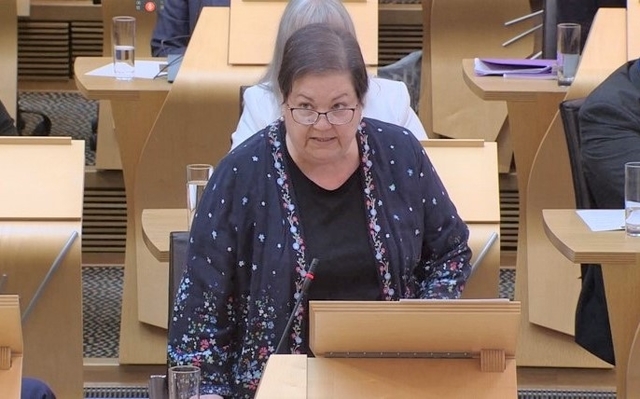
Scottish Labour health spokesperson, Jackie Baillie echoed the criticism that a debate on the future of the NHS was long overdue, citing the most recent Auditor General's report on the NHS which criticised the Scottish government for having no overall vision of the NHS.
She added:
“Let me say as a matter of record, the Scottish Labour Party is happy to help because we care too much about the NHS not to do so.
“But can I gently point out to the Cabinet Secretary that the BMA, RCN, Unison, the GMB, all of the Royal Colleges, the social care sector, and even us politicians, have been offering suggestions for years.”
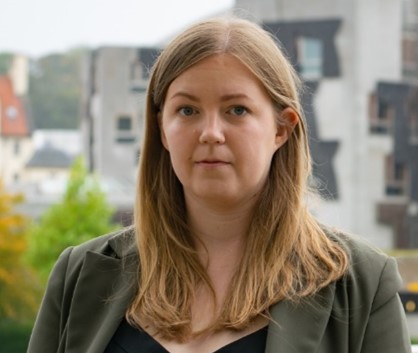
In her response, the Scottish Greens health spokesperson Gillian Mackay said that prevention and improvements in the overall health of the nation will be key to the survival of the NHS.
“In my opinion, we also need a public health levy to ensure that in a time where funding for services is tight, we are ensuring that those selling products that damage health are contributing to the services that pick up the pieces.
“I was hugely pleased that we secured the commitment explored a public health levy in this year's budget.”
Scottish Liberal Democrats leader Alex Cole-Hamilton said his party also believes part of the answer lies in raising funds based on a “polluter pays” principle, with a tax on social media giants to pay for mental health services.
Read more: ‘Bleak picture': health leaders react to NHS review; Psychiatrists in ‘disbelief' over cut funding; Auditor General: Difficult choices for Scotland's NHS; Urgent workforce reforms needed for Scotland's NHS; Concerns for ‘significant pressure' on mental health
Sign up to our bulletin for key health & social care updates straight to your inbox and you can follow healthandcare.scot on Google News. |