|
Anonymous spaces improve mental health and recovery |
Related newsBarriers remain in accessing residential rehab Pharmacy’s road to stigma-free drug dependency care Rural alcohol and drug rehab centre opens Drug harms on the rise in Scotland Unmet need in Scotland’s drug crisis revealed Community support ‘vital’ to asylum-seeking families 
|
|
Image Credit: © fizkes
|
||
|
||
|
By facilitating ‘DIY mental health’ work through anonymous drama therapy, a Scottish charity is looking to improve people’s mental health and wellbeing in recovery and prison settings.
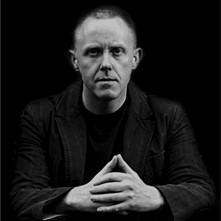
Creative Change Collective founder Mark MacNicol speaks with healthandcare.scot about the charity’s unique approach to overcoming the barriers to accessing mental health support for people in rehab or prison.
Many people in recovery and prison environments experience poor mental health and can struggle to engage with the limited support available.
Creative Change Collective works across prisons, community centres, residential and community rehabilitation placements and uses theatre as a therapy tool to help people focus on their relationship with themselves and their mental health in new ways.
Mark – who has family experience with alcohol and drug addiction – says that establishing a safe space for creativity in mental health support, particularly in prisons, can have a ‘transformative’ impact.
Building a safe space
Mark says using characters to explore trauma and mental wellbeing builds a safe space for working on recovery and mental health:
“Anonymous drama is like drama therapy for people who don’t usually have any interest in drama or therapy.
“If you’re in a prison and want mental health support, you can have an enormously long wait time.
“Everything that we do is about giving you access to tools, techniques and concepts which are designed to positively impact your mental health and emotional wellbeing.”
People in rehabilitation programmes and prisons often face internal struggles, including blame, stigma and apathy about therapy which can hinder their progress, Mark says.
“Our number one objective when working with group participants is to improve the relationship with self, because we know through our experience that pretty much everything stems from this relationship in a justice and recovery context.
“Our delivery team helps you talk about ‘this fictional character’ and their struggle with alcohol, drugs and family.
“None of the participants have to reveal the difference between lived experience and fiction – and, in group, they explore themes that make the difference between success and failure in a recovery and rehabilitation context.
“This spans relationships with friends and family, physical health, mental health, employment, relationship with alcohol and drugs and meaningful use of time.”
Delivered across 12-16 weeks, groups build recurring characters, one representing the story’s “protagonist”, the “inner critic” which channels stigma and disruption and one representing the “inner mentor”.
By exploring these through the development of fictional characters and without directly confronting personal context or lived experience, it allows people to feel less vulnerable and makes the space “less emotionally charged”.
Mark says that this allows participants to work through their personal experiences and internal conversations while feeling protected from others’ judgement.
He adds that stigmas around alcohol and drugs on a cultural and societal level are “without a doubt” reflected on an individual level – and part of this work seeks to help people unpack this:
“If you start to deconstruct the conversation in your head, it can help us improve our actions, their impact on our physical and mental health and the stigma.
“If you are someone with a problematic relationship with alcohol and drugs, what you actually have is a problematic relationship with the conversation going on inside your head relating to alcohol and drugs.
“The biggest challenge that many of our participants have is the conversation going on in their heads.”
A ‘pioneering’ model
A research student from the University of Glasgow worked with the charity and identified key benefits from project – describing the anonymous drama therapy as a ‘pioneering model’.
The research found that Creative Change Collective presents a path to new opportunities and empowers participants to engage with their mental health, build routines and purpose, while building a sense of responsibility and trust.
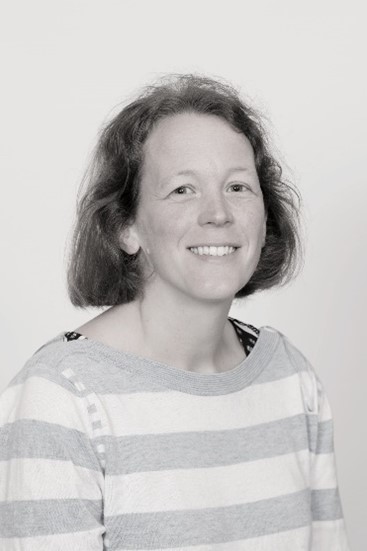
Supervising researcher Dr Marguerite Schinkel tells healthandcare.scot that participants told her they felt “immediately at ease” taking part in the project.
She add this model of support could benefit people beyond its current remit:
“I think there’s loads of groups of people for whom this might be helpful – everywhere basically where there’s shame and stigma, it’s quite a powerful model.
“There are things that are similar but I haven’t anything come across anything in my research that’s exactly like this.”
At the end of the facilitated sessions, groups can choose to perform to their peers, friends, family and support – which Dr Schinkel’s student found boosts confidence and provides an opportunity for recognition.
Previous participants in group work can also support and facilitate the anonymous drama therapy with new groups.
Funding challenges
Now running across several prisons, sentence groups, community and residential rehabs, the programme has reached thousands of people after eight years.
Mark hopes Creative Change Collective will continue to deliver “DIY mental health support” for years to come.
However, he says challenges remain in terms of long-term sustainability, with the biggest barrier being the funding landscape.
Mark has begun developing a workbook that translates the practice of Creative Change Collective sessions into something individuals can use, which he hopes will help the charity reach more people within these funding constraints.
He says more support from the government would make a massive difference to continuing in-person group activities:
“The Scottish government funded the programme through the Corra Foundation but only in four local authorities, so obviously we’re 28 short. Since the programme started, I’ve met three drug and alcohol ministers, all very supportive and enthusiastic.
“Unfortunately, ministerial enthusiasm has never translated into more funding so we need to keep working on funding applications. It’s a challenge but everybody’s in the same boat, trying to do the best we can.”
Read more: A ‘dispiriting picture’: human rights in prisons; Dancing across the gap between health and art; Charity: Tax alcohol retailers for the harm they cause; Music's potential to help with dementia; Policy needed for patient ‘missingness'; Occupational therapy in Edinburgh prison
|