|
SDS in practice ‘contradicts its aims’ |
Related newsSocial care workers “betrayed” by cut funding Scotland’s health and social care secretary resigns Psychiatrists in ‘disbelief’ over cut funding Questions for “fundamentally changed” NCS Concern over drop in nursing student numbers Collective bargaining promised for social care 
|
|

Image Credit: © Monkey Business
|
||
|
||
|
The Scottish parliament’s health and social care committee has found inconsistent oversight of self-directed support (SDS) alongside financial and staffing constraints across Scotland mean it has not been delivered effectively.
Concluding its investigation into how effectively SDS has achieved its aim of empowering people with greater choice and control over their social care support, the committee says the policy has been ‘transformational’ for some.
However, 10 years since its introduction, SDS eligibility criteria has been found to be applied inconsistently across Scotland.
The committee says, as a result, SDS is not being delivered through its founding principles of participation, dignity, collaboration and informed choice and involvement.
A lack of understanding of these principles among key staff is also limiting the effective implementation of SDS, according to the report.
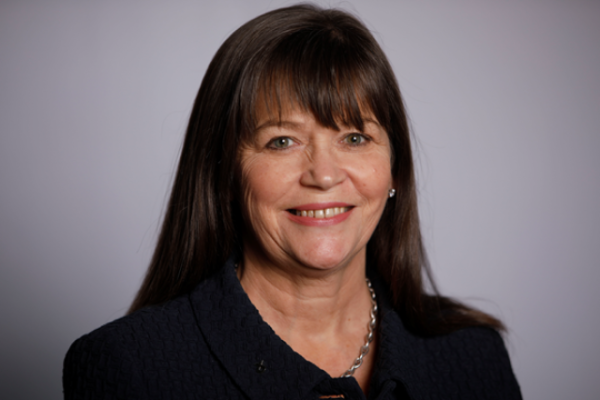
Clare Haughey MSP, committee convener said that while stakeholders “strongly support” SDS, systemic change, funding and improved guidance from government and local authorities is needed:
“During our scrutiny, the committee has heard that there is a lack of national consistency in relation to information, advice and support to ensure fair and equitable access to social care through SDS.
“We also have concerns over recruitment and retention of the social care and social work workforce, the continued impact of COVID-19 and wider funding constraints across the social care system that are affecting proper implementation of the Act.
“Our conclusion is that the current underlying system of social care delivery based on individual assessment, eligibility and transactional care contracts is incompatible with the principles of SDS.”
She added that in “too many cases” individuals have been left not receiving the care they want or deserve.
The committee says that restrictions on available providers, how services are commissioned and procured, and the financial systems and models of care in place has compounded the challenges of delivering self-directed support.
The committee says social workers face a number of constraints which prevent them from taking a relationship-based approach to their work in a way that would enable them to fully implement the principles of SDS. These include wider system pressures leaving staff with greater workloads than would enable personalised support, limited resources.
It also heard that consistently high levels of complex and crisis work currently required of social workers is leading to stress and burnout, causing many to leave the profession and contributing to a ‘viscous cycle’ with less capacity in the system to support remaining staff.
While the committee heard evidence of good practice in certain areas, it says it is concerned that participation in improvement work may be ‘self-selecting’, leading to those areas where improved implementation is most badly needed seeing little to no learning or improvement work.
The committee is calling on the Scottish government to be proactive and identify those areas of ‘particularly poor’ performance and support them to develop their own improvement plans underpinned by good practice from well-performing areas.
Additionally, it says that local authorities and COSLA must help identify areas where there is a lack of appropriate resources to offer people the choices in care they are entitled to and deliver targeted support.
The committee also concludes that there is an urgent need to establish a process of national oversight and clear lines of accountability across all levels of decision-making to ensure a significantly improved approach to monitoring and evaluation of SDS.
Committee convener Ms Haughey said:
“We are calling on the Scottish government, local authorities and health and social care partnerships to ensure proper implementation of the legislation through greater national consistency, by improving local authority practice and processes, addressing issues around commissioning and tendering, and significantly improving processes for ongoing monitoring and evaluation of the policy.”
Read more: Two-child cap scrap could improve children’s health; Role of Mental Health Officers ‘critical’; Care services at risk from delayed payments; NCS still an opportunity for transformation; Money matters for poverty and health in Scotland; ‘Unprecedented' crisis in community health and care; Holyrood scrutinises self-directed support 10 years on
|