|
Emails show haste to publish recovery plan |
Related newsLongest NHS waits a funding priority, says government Scheme for GPs to help lost patients extended ‘Bleak picture’: health leaders react to NHS review Psychiatrists in ‘disbelief’ over cut funding Government to launch ‘conversation’ on future NHS Reforms ‘fall short’ of need, say dentists Long COVID projects share £3m funding FM commits to £12 an hour for care staff Briefing: Cabinet Secretary plans for health and care Watchdogs: Scotland’s IJBs face £124m gap New health and care secretary named Hospice chiefs: “Let’s discuss fair funding” 
|
|

Image Credit: © herraez
|
||
|
||
|
Scottish government emails reveal last summer’s scramble to finalise the NHS recovery plan to meet the government’s self-imposed 100-day deadline, with weekend and late-night revisions and the First Minister taking direct charge of redrafting.
The expansive team of civil service workers involved, and the number of changes being made to late drafts, are revealed in a string of more than 200 emails released following a Freedom of Information (FOI) request by healthandcare.scot.
In the run up to the Scottish election last May, the SNP promised an NHS recovery plan outlining the government’s roadmap to improved healthcare services would be amongst a raft of initiatives delivered in the first 100 days of government.
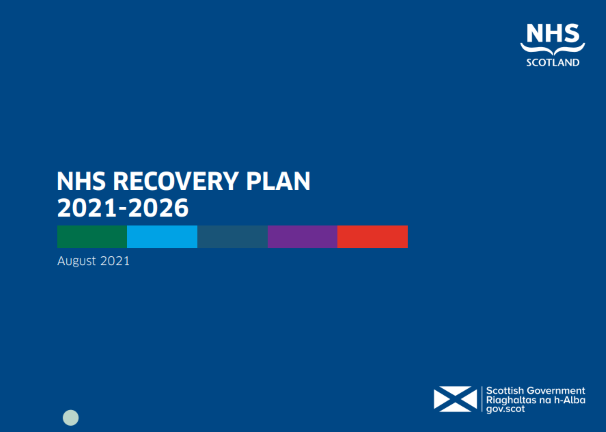
On the final day of the SNP’s election pledge, the NHS recovery plan was published on the 25th of August 2021 amid doubts from NHS professionals whether the ambitions could be met.
Now heavily redacted emails released to us show the pressures the deadline put on staff.
Government officials were initially working to a deadline of the end of June, but the need for continuous revisions and, ultimately, direct amendments by ministers, delayed publication with the clock ticking to the deadline.
On the 19th of August 2021, with less than a week before publication, an email was sent on behalf of the First Minister, Nicola Sturgeon, asking:
“Just to clarify – is this definitely the final and correct version?”
The member of the First Minister’s team goes onto explain that formatting errors throughout, to which a recipient responded that formatting was removed to allow the FM to make edits.
On the eve of publication, one NHS board chief executive questioned whether they had received the final version as the health secretary had two different job titles listed in the document.
Delayed drafts & the First Minister’s feedback
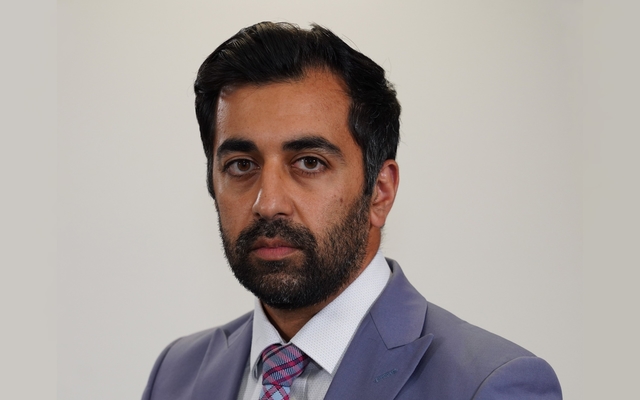
The First Minister (FM) was sworn in on the 19th of May and named Humza Yousaf as her new cabinet secretary for health and social care that same day.
Mr Yousaf and senior staff in his department were working on the recovery plan for the whole of June. On the last day of the month the FM’s office asked to see the document:
An email to Mr Yousaf’s private office includes the sentence, in bold type:
“The FM is also looking for an update today, can you confirm that the Cab Sec is content we share this draft with her?”
The emails then show different drafts, additions and amendments throughout July and August. There are also increasing references to input from the FM from this stage until publication.
An email from the Private Secretary to Mr Yousaf on the 29th of July referred to discussing the plan with the FM the day before and adding something, “[redacted]”, back into the plan.
In the same email – sent a month after the original target date - it becomes clear the publication date was a concern, as it continued:
“Also, FM is keen for us to firm up a publication date and identify whether there is any flexibility on it. I believe FM had a chat with John Connaghan [NHS Chief Operating Officer] in May and outlined, if possible, she would like it published earlier.
“We can give consideration to that as part of the meeting with Mr Yousaf today. Either way, I think FM is keen to see a draft so I have said we will aim to get it to her next week.”
Colleagues working on the plan shared a first draft via email as early as the 7th of June but it was not considered ready for publication until the day of their deadline, the 25th of August.
Healthcare workers and unions called for more clarity
During the election campaign, the First Minister promised the NHS would be operating at 110% of pre-covid capacity within a year.
When published, the recovery plan amended that promise to deliver “substantially” increasing activity from pre-pandemic levels ‘as quickly as possible’ over the next five years. Despite the eased timetable, the government faced backlash from health unions for setting unrealistic expectations among the public.
Now, the emails released indicate questions were raised about formal consultation on the plan and internal concern with its preparation in attempting to follow through on this increased workforce activity pledge.
One such email on the 1st of July from the Directorate for Health Performance and Delivery asked if “Mr Yousaf is content for us to engage more formally with the Colleges & unions on the plan?”
If there was a response in the email exchanges from Mr Yousaf, then it was not included in the FOI release.
Final, final draft
The First Minister’s communications team was added to the copy list for the NHS recovery plan from the 4th of August from which point it is suggested she had more input to the plan than the health secretary.
On the 6th of August, an email sent by the Directorate for Health Performance and Delivery said the recovery plan was “more or less finalised subject to the FM’s comments (it is with her now) and [redacted]”.
The email went on to say that “options for changes at this stage are limited”, though changes continued for more than a fortnight beyond this.
By the 10th of August, an email sent on behalf of the FM, asking for specific feedback, said:
“The First Minister would like to see a revised draft as soon as possible please. FM is also happy to speak to those working on it if that would be helpful, if so let me know and we can set something up for tomorrow.”
Confusion over the number of different people working on the plan came to a head later that week, when an email on the 13th of August read: “I am losing track of who sent me what”, was sent to Dr Stephen-Lea Ross, Deputy Director of the Health Workforce Division. For this email, the sender was not included in the FOI response, but they went onto to ask for more detail regarding staff wellbeing within the plan.
Emails from the evening of the 17th of August indicate that the FM was reviewing the plan, specifically to provide feedback on the primary care and workforce sections.
In an email sent after 8pm, a representative from her team said there were “a couple of blanks to fill in the morning” which could be slotted into the final copy. Just a day later, the Head of the FM’s Policy & Delivery Unit said a draft was “due to go to FM” the following morning.
Four days later, on the afternoon of Sunday the 22nd of August, an email on behalf of the FM was issued widely requesting a final draft to be sent to the FM before it went to print.
By 08:34 on the Monday, two days before the deadline, the Chief Executive of NHS Scotland, Caroline Lamb, emailed that they had received “additional feedback from FM over the weekend” which included a table to add.
She added that a “lot of the content came directly from FM” and later that day, it was suggested that the publishers could continue to make any further edits.
At this late stage, the finances of the plan was also being finalised. Some of the latest known amendments to the recovery plan included those for budgeting and finances – with another email two days before final publication saying:
“A couple of (hopefully) final comments on the financial figures in the Recovery Plan”
National Treatment Centres
With high aims of driving the NHS ‘not just to its pre-pandemic levels but beyond’, one key aspect of the recovery plan was the creation of National Treatment Centres (NTCs). To be spread across Scotland, these centres are being created for planned elective procedures and diagnostics care.
Though an integral part of the government’s strategy, parts of this section in the recovery plan were being updated just two days before publication – with uncertainty around dates of delivery.
An email sent to both NHS Scotland’s CEO, Ms Lamb and COO, John Burns on the 23rd of August reveals that projected dates were being “tweaked” just days before the document was published. The redacted sender said:
“Key changes on page 17 &18. I have also tweaked dates in the NTC map to Lothian and A&A [Ayrshire and Arran] to 2025.”
Earlier this year, NHS Scotland purchased a private facility in Carrick Glen which was earmarked to reopen as an elective treatment centre in 2025. Looking at the map of Scotland and the proposed NTC hub openings, the change is reflected, with the only proposed NTC opening after 2025 in Cumbernauld NTC for NHS Lanarkshire.
Mistakes & concerns remain
Despite the mountain of effort apparent from the emails, mistakes remained in the published NHS recovery plan, including in the foreword.
On the eve of publication, the 24th of August, an early-morning email at 08:39 asked for someone to “run through the plan for any glaring inconsistencies” ahead of a 10am publisher deadline. In this email, the sender said they had already “picked up typos and inaccuracies”.
That evening, the Chief Executive of NHS National Services Scotland questioned whether the version that had received was the final version due to an error he spotted with Mr Yousaf having “2 different role titles”.
Less than a week after publication, on the 31st of August, an email was issued regarding the recovery plan’s primary care optometry content. Days later, an addendum was published within the eye care section of the recovery plan, outlining the government’s funding plans for innovative projects.
NHS boards were expected to submit their recovery plans to the Scottish government by the end of March this year.
The Scottish government is due to review and update its NHS recovery plan next month as part of an annual commitment laid out in the foreword.
Read more:‘Many worrying gaps’ in NHS recovery plan; Ministers drop "unrealistic" NHS restart target;Oversight group for government drug action launches
Sign up to our bulletin for key health & social care updates straight to your inbox. |