|
Survey targets stroke treatment “blind spots” |
Related newsAI to help take pressure off A&E New computer system for Grampian intensive care Dundee looks to lead the way on thrombectomy Scotland’s Clinical Entrepreneur initiative returns Island paramedics get new point of care diagnostics Robotic surgery shows pioneering path to the future 
|
|
© Svitlana
|
||
|
||
|
One of the country’s leading stroke charities has unveiled the top ten research priorities that survivors, carers and practitioners say they want to see taken forward to tackle “significant blind spots” in treatment and care.
The Stroke Association’s new report published today is the first UK-wide project to map research priorities across the entire stroke care and treatment pathway.
Around 10,000 people have a stroke every year in Scotland, with over 3,750 people dying from stroke and cerebrovascular disease, making it the fourth biggest killer in the country.
By 2025 the cost of stroke to Scotland in terms of health and social care is estimated to reach over £2.5bn a year, rising to over £4.5bn a year by 2035.
The charity says too little is being spent on research with just £30m of public and charity health research spending goes on stroke, according to the most recent figures from the UK Medical Research Council, despite stroke striking every five minutes in the UK. This equates to less than £25 per stroke survivor per year compared to £161 spent on research per person living with cancer.
John Watson, Director Scotland of the Stroke Association says too little is currently known about stroke:
“Every stroke is unique because the brain is so complex and stroke can happen in any part of it. This means there are as many different impacts of stroke as there are stroke survivors, posing a huge challenge for research.
“…Despite major breakthroughs over the last ten years, we now know where there are significant blind spots in treatment and care. These are holding people back from rebuilding their lives.
“With the number of people having strokes set to rise – it’s estimated that the number of stroke survivors in Scotland could rise to almost 175,000 by 2035 – we must act now and invest in the research that will make the biggest difference to the lives of people affected by stroke.”
Over 1,400 stroke survivors, carers organisations and professionals took part in the survey which sets out priorities for stroke prevention and acute care, as well as rehabilitation and long term care.
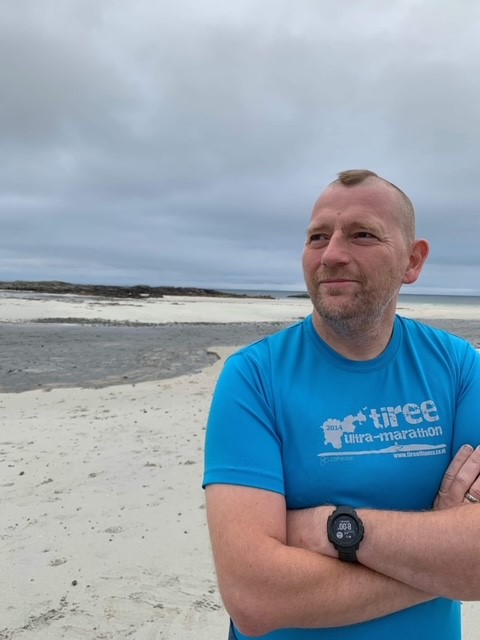
48-year-old endurance athlete Andrew from Perthshire had a stroke in 2019 and he says research in this area is now important to him:
“There are many effects of stroke including fatigue and the psychological consequences of stroke that we should know more about. We need to involve people with lived experience of stroke in decisions around stroke priorities to inform researchers and funders about what really matters to us.
“We know what our difficulties are, and I believe further understanding of those difficulties is a good step towards finding treatments and solutions to enable people to live the best possible life they can.”
80% to 90% of strokes that happen in the UK are regarded as being preventable and today’s report calls for more research and investment in preventative action.
Another of the priorities outlined focuses on treatment for the mental health impact of stroke – with three quarters of survivors saying they find their mental health is affected, including many who experience anxiety or depression.
Dr Rubina Ahmed, Director of Research and Policy at the Stroke Association, says too little money is being spent on those affected:
“Charities like ours need to look for new ways to help stroke survivors with emotional, mental and communication problems.
“Establishing what research will make the biggest difference to stroke survivors and those caring for them is just the first step.
“Stroke research is severely underfunded. Just £1 in every £100 of public and charity spend in health research is on stroke and this just isn’t enough to solve the big and complex issues caused by stroke.
“The stroke funding crisis has been worsened by the coronavirus pandemic, which has had a devastating impact on our income, halving the charity’s research budget.”
Read more: Surviving stroke and supporting others during covid-19; Research into concerning covid stroke link; Covid-19: Scotland excess deaths highest since 1940;
Sign up to our bulletin for key health & social care updates straight to your inbox. |