|
Doctors invited to shape medical workforce reforms |
Related newsLess than full-time – behind the NHS trend Health and charity leaders join forces for NHS reform NHS doctors unemployment crisis despite understaffing GPs to lead on frailty in new NHS improvement plan Doctors: ‘Shocking’ A&E figures require action Doctors say GP funding boost “just the start” 
|
|

Image Credit: © Rawpixel
|
||
|
||
|
Doctors are being invited to help shape NHS staffing reforms, as the Scottish government commits to two months of engagement as part of its Future Medical Workforce project.
Scotland’s resident doctors and senior clinicians are being urged to share their views on how to best ‘shape and sustain’ the medical workforce over the next two decades.
The government is running a series of focus groups to understand pressures facing the profession and how best to respond to the challenges of delivering care against a landscape of rising population health demands.
Over the next two months, there will be both in-person and online sessions for doctors as part of its investigation into the future staffing and skills needs of doctors working in NHS Scotland.
Doctors’ representatives at the British Medical Association (BMA) and Royal College of Physicians of Edinburgh (RCPE) have welcomed the “vital piece of work”.
The Future Medical Workforce project wants to shape reforms in NHS training, recruitment and workforce planning across the next 15–20 years.
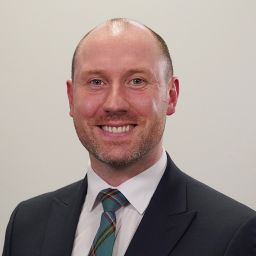
Cabinet Secretary for Health and Social Care, Neil Gray says the engagement sessions present an opportunity for those on the frontline to play a central role in reforms:
“This is a once-in-a-generation opportunity to shape the future of the medical workforce and create a sustainable, fulfilling career path for doctors in Scotland.
“We know the NHS faces major challenges, and it is vital that those living the reality of what it means to be a doctor today are at the heart of shaping what comes next.
“I strongly encourage doctors across Scotland to get involved in this work. Your voice matters and your insight will help ensure that the future of our health service is informed, inclusive and resilient.”
This comes a year after the government first promised to deliver a national programme of engagement around health and social care reforms.
The focus groups beginning this month will continue through the autumn and form the first phase of the project.
However, the government says the project will not cover pay or employment terms and conditions.
BMA Scotland said that a proper workforce plan looking at patient and staff need for future is “long overdue” but pay must be considered in the actions that follow this project.
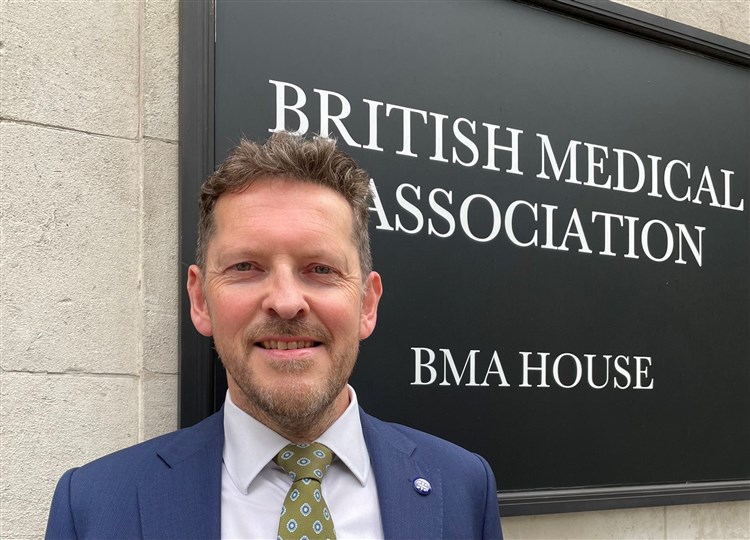
Chair Dr Iain Kennedy told healthandcare.scot that while there are many complex issues to consider, ultimately the need to address pay erosion cannot be ignored:
“BMA Scotland has called consistently for this, so it is vital that the work underway does finally deliver – for the good of patients and ensuring we have an NHS in Scotland that is sustainable for generations to come.
“It is welcome that the Scottish government is finally engaging on this, but we need that to continue, the work to be done at pace and with the urgency that the doctor workforce crisis demands.”
He added that the resident doctor unemployment crisis caused by training bottlenecks must be addressed to ensure sustainable career paths for the next generation of doctors in Scotland.
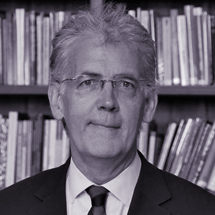
RCPE President Professor Andrew Elder, President told healthandcare.scot that, if working environments are not improved, doctors will choose to go elsewhere.
He said the current situation where many health boards overspend on locum and agency staff due to insufficient training posts is “neither logical nor sustainable”.
Professor Elder said the project must also address some of Scotland’s specific recruitment challenges impacting services in remote, rural and island communities.
He also expressed concerns that the recent announcement of the merger of NHS Education Scotland and NHS National Service Scotland “must not further erode our capacity to teach, train and recruit”, adding:
“Ultimately, we must create a medical workforce with the right skills and expertise to provide for the healthcare needs of the Scottish population in twenty years’ time.
“It is only through such longer term, structured planning, with accompanying funding commitments, that we can be sure that the long and strong reputation for medical training in Scotland can be upheld.”
Scotland’s deep end GPs add that it is vital to strengthen the workforce in areas of socioeconomic disadvantage, where need is often greatest and many people struggle to engage with services is vital to reducing health inequalities.
The government is set to publish a final report of key insights and recommendations from phase one of the programme this autumn.
The second phase is set to begin in January 2026, will focus on reform, improving recruitment and the redesigning of medical education.
BMA Scotland says they hope the government delivers a clear action plan that “acknowledges the scale of the problem” and sets out how it will be addressed.
Read more: Partnership for population health; Watchdog criticises homelessness service cuts; NHS Scotland: waiting lists and beyond; Ten-year low in Scots healthy life expectancy; Scotland’s ‘invisible’ patients and carers; NHS waits pushing more patients private; Chief Medic: ‘Critical connections' priority
Sign up to our bulletin for key health & social care updates straight to your inbox. |