|
NHS governance must be strengthened, says watchdog |
Related newsDoctors say GP funding boost “just the start” New taskforce to drive ADHD and autism improvements Probe into future of NHS Scotland’s doctors underway Call for ‘urgent’ review of ADHD and autism services Change course on GPs, says College Watchdog: ‘No overall vision’ for NHS Long 111 waits still issue for A&E call ahead reforms Phage therapy approved for resistant infections 580% rise in mental health calls RCN calls for urgent investment in nursing Renewed campaign to divert people from going to A&E Latest pay offer for NHS “deeply insulting” 
|
|

Image Credit: © sudok1
|
||
|
||
|
Scotland’s public sector watchdog says NHS governance must be strengthened to ensure health boards across Scotland can drive the change and reform needed for patients within an increasingly complex healthcare system.
In an assessment published today, Audit Scotland reports it has found weaknesses within the scrutiny and assurances processes for healthcare delivery at a Scottish government-level.
It says there is a need to provide clarity on how risks at an individual board level are flagged to the government.
The report highlights that planning and governance of healthcare is becoming more complex which is limiting NHS boards’ ability to deliver on the government’s reform and renewal plans.
It says the mix of local, regional, and national partners across Scotland makes decision-making and accountability difficult.
With the government providing oversight of NHS Scotland’s 22 health boards, the public sector watchdog says it is ‘essential’ for ministers and the civil service to work collaboratively with the boards to manage risks and drive reform.
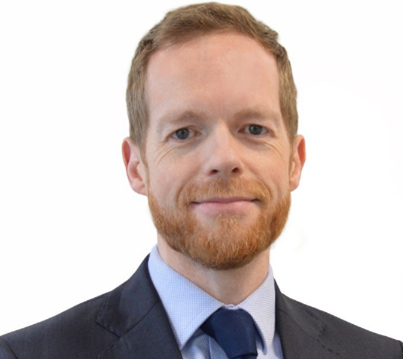
Scotland’s Auditor General Stephen Boyle has repeated his call for fundamental change in the NHS:
“The delivery of NHS services must be reformed for Scotland’s health service to remain affordable and sustainable.
“NHS Scotland’s governance arrangements are key to delivering that reform, but they need to be strengthened.
“The planning of healthcare in Scotland is becoming more complex and the Scottish government needs to ensure lines of accountability and decision-making are clear.”
The report points out that while health boards are independent legal entities responsible for implementing health policy and delivering services, they do not have unlimited scope to self-govern.
Alongside setting the financial and policy parameters, it is the government that oversees national resource allocation and approval mechanisms for major service changes.
Audit Scotland found inconsistency in the degree of collaboration between them and ministers, with some boards reporting a strong relationship with the government while others feel ‘constrained’ by government financial and policy decisions.
One key area identified is the need for better engagement with stakeholders including patient representatives and the third sector – something Audit Scotland says is vital to building accountability.
NHS boards use a blueprint for good governance produced in partnership with the government which – while ‘well received’ – could also be strengthened to detail how board governance should be adapted to deliver reform.
Meanwhile, insights from the Scottish Ambulance Service (SAS) this January show that patient handover delays present multiple risks to patient safety and staff wellbeing.
Looking to these insights, Audit Scotland says improving working relationships between local and regional health service, SAS and NHS 24 is key to mitigate the risks.
A new population health planning framework will introduced by the Scottish government and national strategies to support operational reform are due in June 2025.
Audit Scotland says that dealing with forthcoming changes will be challenging for boards, but the new strategy should give them more clarity and help them to work more collaboratively to deliver reform.
In response, Scotland’s Cabinet Secretary for Health and Social Care, Neil Gray accepted the Auditor General’s findings:
“This supports the approach we have already set out for protecting, strengthening and renewing our National Health Service.
“The recently published Operational Improvement Plan focused on four key areas of improving access to treatment; shifting the balance of care; digital and technological innovation; and prevention, along with the forthcoming publication of a population health framework and a health and social care service renewal framework in June, establishes a clear path.
“In order to ensure this modernisation and renewal of our services is supported, good governance will be key and the Scottish government will work closely with NHS Boards to ensure we deliver on our ambitions.”
Unstable leadership
Audit Scotland in today’s report highlights that stability in leadership is important for NHS organisations and their partners, which hasn’t been possible with a high turnover in NHS board chief executives and integrated joint board senior leaders during 2023/24 and 2024/25.
Since 2023, twelve new chief executives have been appointed, including ten new chief executives for territorial boards, and more than half of IJBs have also reported turnover of their senior leadership.
The report also notes that recruiting health board chairs can be ‘challenging’ given the wide scope of the roles.
Audit Scotland highlights that ‘continuing concern’ has been reported over the number of failed rounds of recruitment it takes to find NHS chairs.
It recommends that the government reviews the impact of changes to the responsibilities of chairs and that boards make greater use of non-executive directors to provide more challenge and help manage risk.
To ensure the planning and delivery of healthcare is informed by lived experience, Audit Scotland also recommends the government work with NHS boards to bring the experience of under-represented communities to board decision-making.
Read more: NHS doctors unemployment crisis despite understaffing; NHS Chair: “I'm sorry”; Care management ‘on its knees’; First Minster pledges people will see GP sooner; Watchdog criticises homelessness health service cuts; ‘Unprecedented’ crisis in community health and care; “Relentless focus” on health inequalities
Sign up to our bulletin for key health & social care updates straight to your inbox. |