|
Scottish paediatricians say ban disposable vapes |
Related newsHighland children hit by poverty and geography Politicians must take ‘bold’ action on child poverty Rare condition screening for newborns across Scotland Childhood adversity health impacts felt at 50 revealed Charting Scotland’s future health and hospital demand Health and charity leaders join forces for NHS reform 
|
|
YarikL
|
||
|
||
|
Royal College of Paediatrics and Child Health (RCPCH) members are calling for an outright ban on single-use e-cigarettes, as they brand the unprecedented rise in vaping amongst children and young people a ‘scandal’.
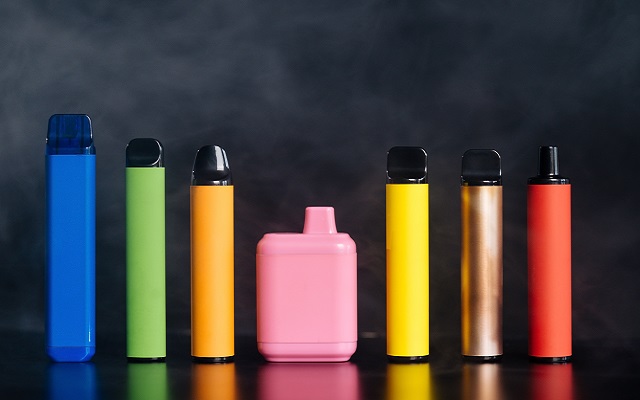
Brightly coloured and sweetly flavoured single-use vapes are designed to appeal to underage users who may be damaging the future health of both themselves and the environment, says the RCPH.
The RCPCH, alongside the Royal College of Physicians of Edinburgh, has joined at least 21 of Scotland’s 32 local councils and a number of charities, including ASH Scotland, in calling for a total ban on sales of disposable electronic cigarettes.
It comes as the Scottish government works on a refreshed Tobacco Action Plan – due in autumn – which is to focus on reducing smoking and vaping among children and young people.
Latest figures show 10% of Scottish 15-year olds regularly use e-cigarettes, the long-term effects of which, according to the College, is not fully understood.
RCPCH Officer for Scotland Dr Mairi Stark says there is a “clear mandate” for a ban on the devices in Scotland:
“It’s no real surprise that these disposable products are so popular with young people, these products are so often targeted towards them. Disposable e-cigarettes are brightly coloured, containing exotic flavours and labelled with enticing names. It’s a true scandal.
“I’m proud to say that Scotland has been taking a more proportionate and cautious approach to e-cigarettes than our UK counterparts. Scottish paediatricians are on-board and calling for the Scottish government to ban disposable e-cigarettes once and for all. It’s time to prioritise our children’s health and the environment that they will inherit.”
Because they contain valuable and finite materials such as lithium batteries and copper, as well as plastic, vapes are classed as Waste Electrical and Electronic Equipment (WEEE) and should be disposed of at specialist centres.
Instead, at least 1.3 million disposable vapes are thought to be thrown away every week in the UK – two every second.
As well as littering streets and green spaces, flammable and corrosive materials within dumped vapes pose a risk to wildlife and water safety – damage that ‘cannot be overstated’, according to the College.
A review of single-use vapes, led by Zero Waste Scotland, is currently in progress.
Humza Yousaf has confirmed it could potentially lead to a ban on the disposable devices.
President of Royal College of Physicians Edinburgh (RCPE) Professor Andrew Elder, says its members are concerned about the strong evidence that shows vaping amongst young people leads to cigarette smoking in later life:
“Many of our members specialise in treating people for a range of diseases that can be caused by smoking including cancer, heart disease, stroke, lung diseases, diabetes, and chronic obstructive pulmonary disease (COPD).
"They are, therefore, concerned by evidence from the WHO that suggests there is ‘strong to conclusive’ evidence that many young people using e-cigarettes are at an increased risk of progression to using lit smoked tobacco, including cigarettes.
“Ill health in adult life often has its roots in childhood – if we are serious about prevention, then we must all heed the evidence.”
Councillors from Glasgow, alongside representatives from across Scotland, have already written to Ministers calling for a ban on the sale of single use vapes.
Chief Executive of health charity ASH Scotland (Action on Health and Smoking Scotland), Sheila Duffy, welcomed the clinical expertise of both the RCPH and the RCPCH to the campaign against single use vapes:
“Nicotine is highly addictive and many of these cheap, brightly coloured and sweet flavoured disposable vapes include toxic chemicals that have not been safety tested for inhalation and could seriously damage health over time – this is especially worrying for children and young people as their lungs are still growing. RCPCH and RCPE are clinical experts who speak with authority about the risks to health.
“With the EU looking likely to ban disposable e-cigarettes by the end of 2026, Scotland has a great opportunity to re-establish itself as a leading public health nation and protect Scotland’s ambition for a generation free from tobacco by prohibiting the sale of these health harming recreational products in 2024.”
Read more: Hospital at Home for children?; £1.5m CAMHS centre opens;
Sign up to our bulletin for key health & social care updates straight to your inbox and you can follow healthandcare.scot on Google News. |
