|
Mental health cash boost cannot be ‘one off’ |
Related newsInpatient CAMHS care too variable Skin test could predict self-harm NHS is working to address “unacceptable” abuse Politicians must take ‘bold’ action on child poverty Long COVID putting Scots at risk of poverty 
|
|
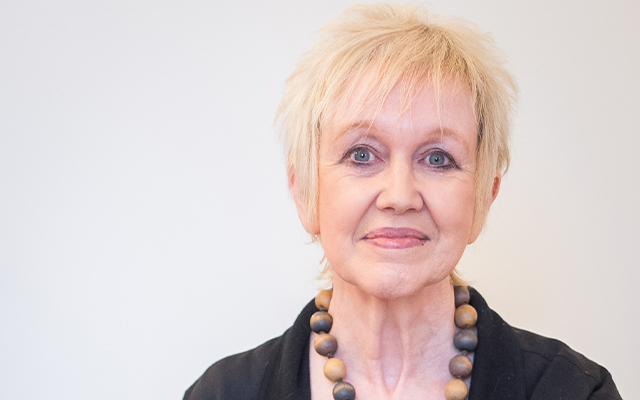
Dr Jane Morris vice-chair elect of the Royal College of Psychiatrists in Scotland
|
||
|
||
|
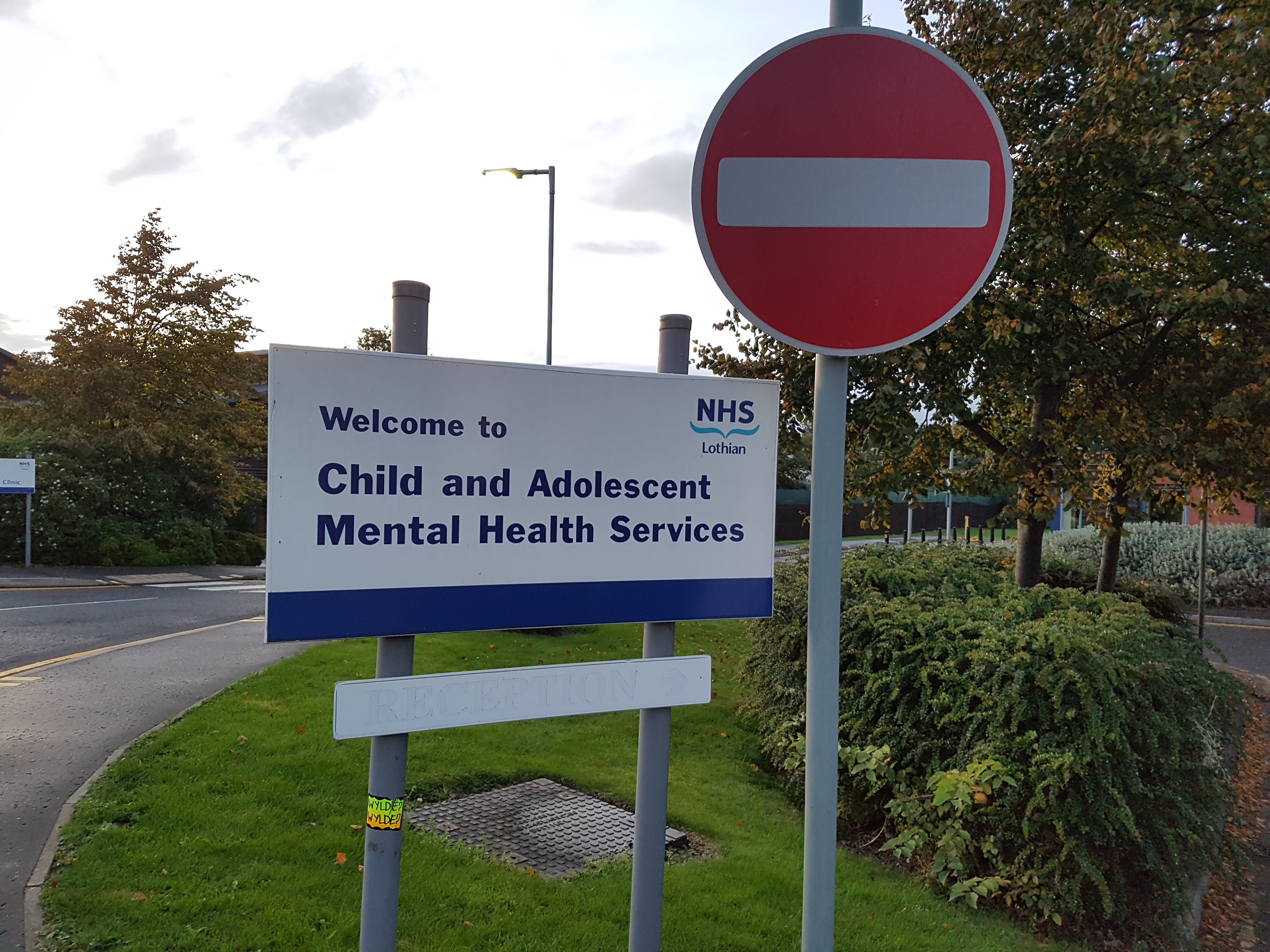
More than eight in ten psychiatrists think child and adolescent mental health services (CAMHS) are ‘not up to standard’ and struggling to meet demand after a ‘significant lack of funding’, a survey has revealed.
The Royal College of Psychiatrists is warning the ‘single largest investment in mental health in the history of devolution’ announced last week by the Scottish government is not enough to deal with a ‘significant rise’ in demand.
A total of £120m was promised last week for mental health services on top of an existing £142m allocated through the Scottish government’s latest budget – doubling mental health spending compared to 2020.
Mental Health Minister Clare Haughey said the extra funding will go towards clearing backlogs in psychological therapy waiting lists for adults, as well as “prioritising work to improve specialist child and adolescent mental health services”, and delivering on the 100 actions included in the government’s mental health transition and recovery plan.
But Dr Jane Morris, vice-chair elect of the Royal College of Psychiatrists in Scotland (RCPsych in Scotland), says the “one off” funding will only have a limited impact.
“It needs to represent a fundamental shift towards parity of esteem for mental health in funding terms, moving ideally towards 10% of total frontline health spend by the need of the next parliament in 2026. Based on current figures this would mean £235m going to mental health services.
“We also want to see additional activities including a mental health workforce plan. It would be good to create standards and expectations informed by lived experience, of what good mental healthcare looks like.”
When it comes to the £120m allocation specifically, “At a minimum, RCPsych in Scotland want to see half of this invested directly into mental health services, including CAMHS,” adds Dr Morris.
“This would represent an increase in funding for services in line with the wider health portfolio. It would also recognise the increased need for specialist support and care emerging as we recover from the covid-19 pandemic.”
The College also wants to see the government invest directly in community and third sector services.
Days after the Finance Secretary announced the funding boost MSPs voted in favour of a Liberal Democrat motion that called for the government to declare a ‘mental health emergency’ was unfolding across the country.
According to the Scottish Children’s Services Coalition, in 2017 figures showed 0.48% of NHS expenditure went on delivering CAMHS, with only 7% of the mental health budget allocated to mental health support for younger people.
The Scottish government should increase spending on CAMHS to 1% of the total health budget, according to the College, which says services have suffered from a “significant lack of funding” in recent years.
By 2020 around 0.56% of health spend was directed towards CAMHS despite potentially one in six young people suffering from mental ill health and over one third waiting over the 18 week treatment time guarantee.
Public Health Scotland figures showed that by the end of September last year, more than 1,000 children had been waiting more than a year for treatment – 632 more than the year before.
To tackle high staff vacancy rates, the College says in its manifesto for 2021 that long term planning is needed to ensure enough staff are in post across community and specialist care:
“This needs to be an essential priority for the next Scottish government. By 2022, we need to see this plan developed alongside any refresh of the Mental Health Strategy.
“It will also require engagement with universities and health boards around trainee doctor’s exposure to psychiatry.
“Currently one in three trainees has the opportunity for a psychiatry placement during their foundation training, which falls behind the rest of the UK, where almost half of trainees gain exposure to the specialty.
“If they decide not to pursue a career in psychiatry, the knowledge they will have of providing mental health care will ensure a much more connected healthcare system when dealing with mental ill health alongside physical health problems.”
Earlier this week Scotland’s Mental Health Partnership wrote to every political party in Scotland, calling for a “radical shake-up” of mental health support. The Partnership said the “exceptional circumstances” of the pandemic had “exacerbated pre-existing fault lines”.
Read more: New funding must focus on ‘traumatised’ staff; Remote mental health support to continue after virus; Health spending rises to £16bn; ‘Gaping holes’ in psychiatrist numbers
Sign up to our bulletin for key health & social care updates straight to your inbox. Tags: Child Health; Finances; Mental Health. |