|
Thrombectomy limitations laid bare |
Related newsGlasgow A&E introduces digital triage check-in Standards of stroke treatment and care "sliding" Why you can’t miss the UK Stroke Forum 2025 NHS is working to address “unacceptable” abuse Doctors: ‘Shocking’ A&E figures require action 20 years of stroke research and recovery at UKSF 2025 
|
|
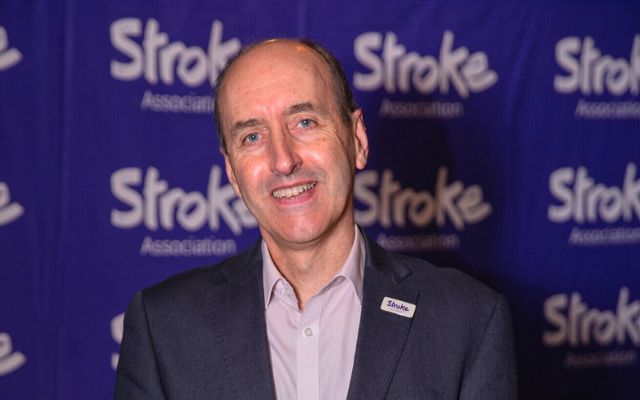
John Watson, Associate Director for the Stroke Association in Scotland
|
||
|
||
|
Around one in 10 people who have a stroke will benefit from thrombectomy, a procedure to remove blood clots from their brain which, if undertaken within six hours, can reduce the risk of long-term paralysis, blindness and speech problems. But across most of the country, says John Watson, Associate Director for the Stroke Association in Scotland, unless you manage to get to a specialist centre during weekday working hours, the intervention is not an option.
“Imagine your house is on fire. It’s 4pm. You dial 999. The call handler says: ”We’ll be there first thing tomorrow morning.” How do you feel about that?
Now imagine your brain is on fire. Same time - 4pm. You dial 999 and the call handler says the same thing. Except by then, you could be dead or left profoundly disabled.
None of us would accept the fire brigade scenario. So, why do we accept it when it comes to stroke? It happens every day in Scotland to eligible thrombectomy patients.
Until we have a national 24/7 thrombectomy service, Scotland’s stroke clinicians will continue to be placed in the terrible position of not being able to treat patients they could potentially help. They have a procedure which could get the stroke patient walking, talking, back to work and living independently. They might be able to administer thrombolysis, a clot-busting drug, but the patient will likely have a poorer outcome.
Thrombectomy removes the large blood clot, which causes stroke, from the brain. It is considered the basic standard of care for those who are clinically suitable.
In terms of numbers of patients treated, Scotland sits at 2.2% of eligible patients -around 10% of patients who have an ischaemic stroke could benefit from a thrombectomy This means Scotland’s thrombectomy rate is less than half that of the rest of the UK.
It’s a procedure available only at Ninewells Hospital in Dundee, the Royal Infirmary of Edinburgh (RIE) and Queen Elizabeth University Hospital (QEUH) in Glasgow. Eligible patients are transferred by ambulance from hospitals across the country to their nearest thrombectomy centre.
Ninewells, which serves the north of Scotland for thrombectomy, and the QEUH, which serves the west of Scotland, both provide the procedure Monday to Friday, 8am to 8pm.
RIE is the only thrombectomy centre which operates seven days a week 8am to 8pm – for RIE patients. The service is truncated to Monday to Friday, 8am to 8pm for patients referred from eastern NHS hospitals.
Those opening times mask the reality.
The last referral time from hospitals to the nearest centres vary. For example, if you live in NHS Dumfries & Galloway, the nearest thrombectomy centre at the QEUH is open 8am till 8pm Monday to Friday. But the patient needs to be at the QEUH before 6pm. The last departure time from Dumfries & Galloway Royal Infirmary is 4pm. The last departure time from Galloway Community Hospital is 3pm.
The timeframes vary but it’s a similar scenario no matter where you live – the Highlands, the Borders, and even the major cities. The emergency treatment you might need is only available part-time. This needs to change to prevent the lives of people affected by stroke from being ruined.”
Last month, 200 health professionals and six health organisations– the British and Irish Association of Stroke Physicians, the Royal College of Speech and Language Therapists, the Royal College of Occupational Therapists, the Scottish Stroke Nurses Forum, the Royal College of Physicians of Edinburgh and the Royal College of Physicians & Surgeons of Glasgow –put their names to a Stroke Association and Chest Heart Stroke Scotland campaign calling on Scotland's politicians to commit to investing in 24/7 thrombectomy services as part of wider investment in prevention, treatment and rehabilitation.
Read more: Standards of stroke treatment and care "sliding"; More younger Scots dying from stroke; Loneliness: a public health crisis for Scotland
Sign up to receive our bulletin for key health & social care updates straight to your inbox. |