|
Deprivation gap in cancer “unacceptable” says charity |
Related newsCancer workforce “not on right trajectory” We “cannot be complacent” on breast cancer rise Scots urged to act fast on head and neck cancer Vision for NHS reform in coming weeks Scotland at the table with UN healthy air commission Pharmacy’s road to stigma-free drug dependency care 
|
|

Image Credit: © Pricila
|
||
|
||
|
People living in Scotland’s most deprived areas continue to be at higher risk of cancer and suffer worse outcomes compared to those in more affluent areas, the latest figures reveal.
Health and charity leaders are calling for more coordinated action to reach patients so they can benefit from diagnosis, treatment and care sooner.
The latest Public Health Scotland (PHS) report shows that incidence of all cancers was 24% greater in the most deprived areas compared with the least deprived, and death rates were 78% higher.
Cancer Research UK says the findings are “unacceptable”.
PHS says an ageing population and advance in treatment have contribute to wider improvements in survival from cancer, high rates of preventable cancers like lung and liver cancer remain.
With an overall nine-year reduction in cancer deaths in 2022 of 11%, Scotland’s Health Secretary welcomed the “encouraging” findings but said the Scottish government is working to improve awareness and earlier diagnosis.
The largest inequalities are seen for lung, head and neck and cervical cancer, with the rate of lung cancer 3.2 times higher in the most deprived areas compared to the least deprived areas.
Risk of dying from lung cancer is almost four times higher for those in the most deprived, with PHS saying most of the difference in mortality stems from the greater incidence of lung cancer in more deprived areas.
Head and neck cancers were more than twice as common in the most deprived areas – with people also more likely to be diagnosed at an advanced stage.
PHS also revealed that cervical cancer is nearly twice as common and Scots in more deprived areas are more likely to be diagnosed at a later stage than those in the least deprived areas.
It points to lower uptake of screening in more deprived areas.
Screening, prevention and cancer risk
Campaigners and clinicians have urged the Scottish government to take immediate action with Scotland falling behind on lung cancer screening.
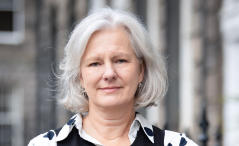
Cancer Research UK’s senior external affairs manager Debbie King said:
“It is unacceptable that cancer rates remain significantly higher in Scotland’s most deprived areas. While the causes are complex, early diagnosis is key to closing the survival gap.
“Long-term, funded national awareness campaigns targeted at those most affected are also essential.
“We need to support and invest in primary care and the cancer workforce to ensure equitable and timely access to services, including prioritising specific actions and interventions to address inequalities.”
Cancer Research UK’s ‘Deprivation and cancer inequalities in Scotland’ report reveals Scotland has the highest proportion of cancers caused by preventable risk factors of any UK nation.
It also found that Scots living in more deprived areas are more likely to report barriers in seeking help, leading them delay going to the doctor and feeling less confident to discuss their symptoms.
The charity’s latest report of cancer across the UK says implementing Scotland’s cancer strategy has been held back by insufficient funding.
Taking action
The government’s cancer strategy 2023-2033 aims to ‘significantly’ cut the number of people diagnosed with late-stage cancer, strengthening the workforce and reducing health inequalities.
The strategy and accompanying cancer action plan followed calls by Cancer Research UK for Scotland to take ‘radical action’ to address inequalities throughout the cancer pathway.
While the government has since invested in Rapid Cancer Diagnostic Treatment Centres and this year earmarked £14m to reduce waits for cancer treatment, cancer clinicians say more is needed to reduce inequalities.
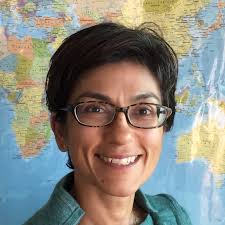
PHS Consultant in Public Health Medicine Dr Fatim Lakha said while “encouraging” to see advances across cancer detection and treatment, more preventative action must be delivered:
“We must place equal emphasis on preventing avoidable cancers in the first place.
“Prevention, alongside NHS reform, offers the most effective path to meeting the healthcare demands of an ageing population while reducing inequalities and supporting wellbeing.”
Dr Lahka added there is potential to reduce inequalities in both cancer risk and later-stage diagnoses through improving HPV vaccination and cervical screening uptake, and reducing rates of smoking, particularly in more deprived areas.
This year saw Scotland’s leaders back legislation to deliver stronger measures around tobacco and nicotine marketing, in what Cancer Research UK called a “historic opportunity.”
However, the charity’s senior external affairs manager said with the “startling” rates of lung cancer in the most deprived areas, governments must deilver the changes urgently and invest in wider support:
“Smoking remains the leading cause, and lung cancer, often diagnosed too late for effective treatment.
“We must now see the timely introduction of the Tobacco and Vapes Bill, properly funded stop smoking services, and the introduction of a national lung cancer screening programme.”
The charity has also called for better health data collection and evaluation could help improve our understanding of the wider factors driving inequalities in cancer.
This could help researchers understand variation across types of cancer, with prostate cancer rates being nearly a third more common in Scotland’s more affluent areas.
Responding to the latest figures, Health Secretary Neil Gray emphasised the importance of improving awareness and early diagnosis of cancers and said reducing health inequalities is “a clear ambition”:
“We are determined to further improve cancer survival, reduce waiting times and provide excellent, equitably accessible care right across Scotland.”
Read more: We “cannot be complacent” on breast cancer rise; High cancer diagnoses rate via emergency care; AI for lung cancer care to help tackle “hidden killer”; Biomarkers can improve melanoma patient care; Making cervical cancer a ‘rare disease'; Scottish cancer cases set to keep rising; Treatment-resistant cancer focus of new study High cancer risk for adults with learning disabilities; Charting Scotland's future health and hospital demand
Sign up to our bulletin for key health & social care updates straight to your inbox. |