|
Primary care progress falls behind need, say doctors |
Related newsCall for ‘urgent’ review of ADHD and autism services GPs are the solution to NHS crisis, says College Doctors say GP funding boost “just the start” NHS waits pushing more patients private Change course on GPs, says College NHS doctors unemployment crisis despite understaffing 
|
|

Image Credit: © Monkey Business.
|
||
|
||
|
More pharmacists, nurses, occupational therapists and link workers are working across Scotland’s community health services than ever before.
Yet, MSPs today heard a “stark warning” from representatives from BMA Scotland and the Royal College of General Practitioners Scotland that further investment is needed to deliver the government’s primary care promises.
According to the latest progress report on implementing the Primary Care Improvement Plans, 5,019 full-time equivalent healthcare professionals now provide primary care services.
These services include vaccination delivery, chronic disease monitoring, medicines management and minor injuries treatment with staff increases across pharmacists, advanced nurse practitioners, musculoskeletal physiotherapists and community link workers.
Just 14% of practices have access to occupational therapists, while 4 out of 5 practices have access to a community link worker.
This progress is part of the government’s 2018 promise to refocus GPs’ role as ‘expert medical generalists’, shifting some core services to wider multidisciplinary teams in the community.
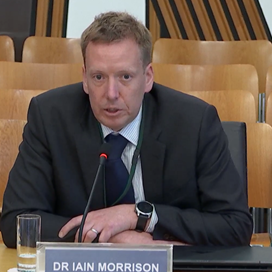
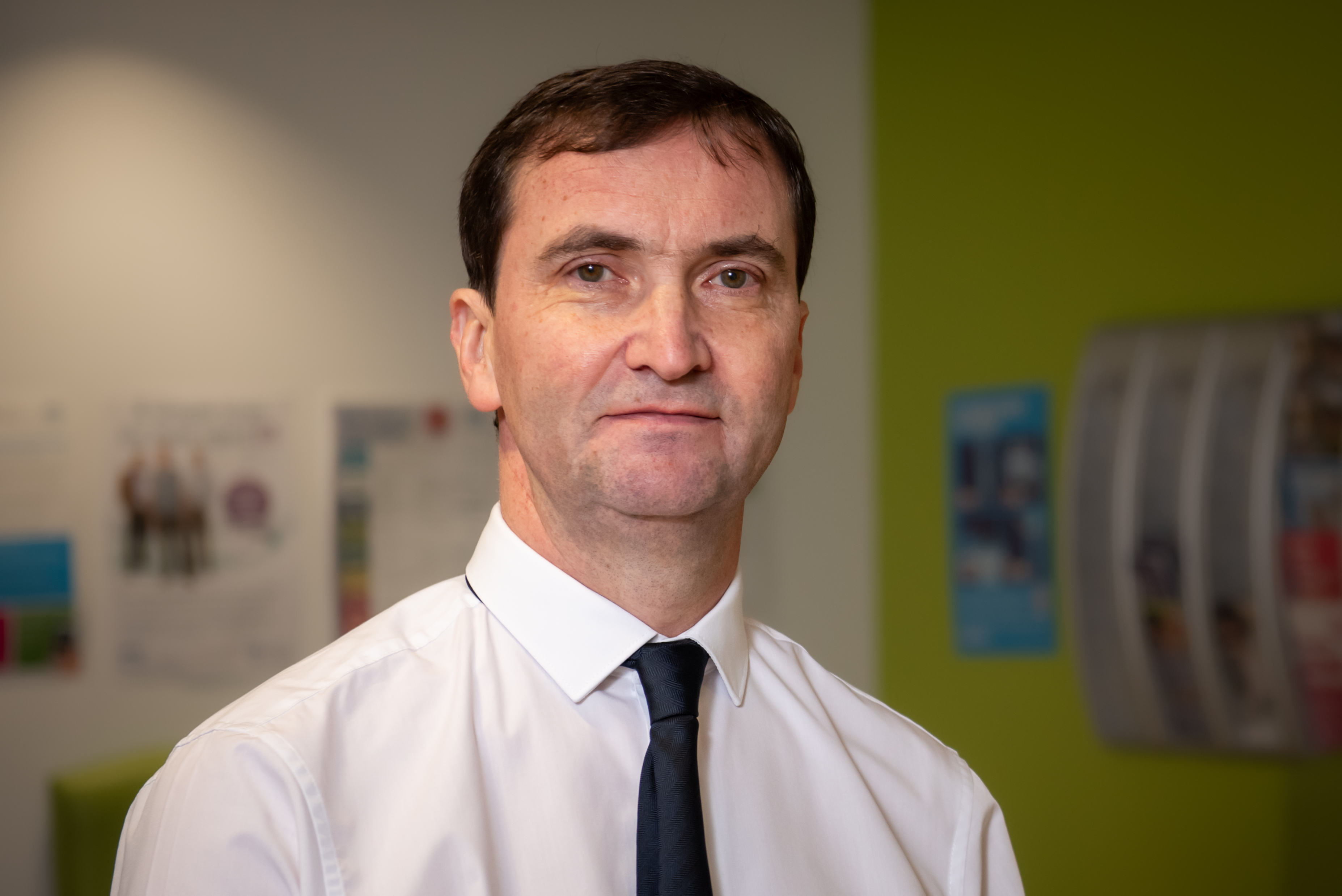
However, BMA Scotland’s Scottish General Practice Committee Chair Dr Iain Morrison told MSPs this represents relatively “little progress” to reduce GPs’ workload and deliver more proactive community care.
Giving evidence to Holyrood’s Public Audit Committee, he said the only area of the contract substantially achieved has been moving vaccination services out of GPs – with varying success in terms of delivery cost and uptake of vaccinations.
Dr Morrison said for many GPs, it is “really demoralising to know you could be doing better”.
He said 90% of the BMA Scotland’s GPs membership are considering disruptive action if change to uplift the workforce is not delivered.
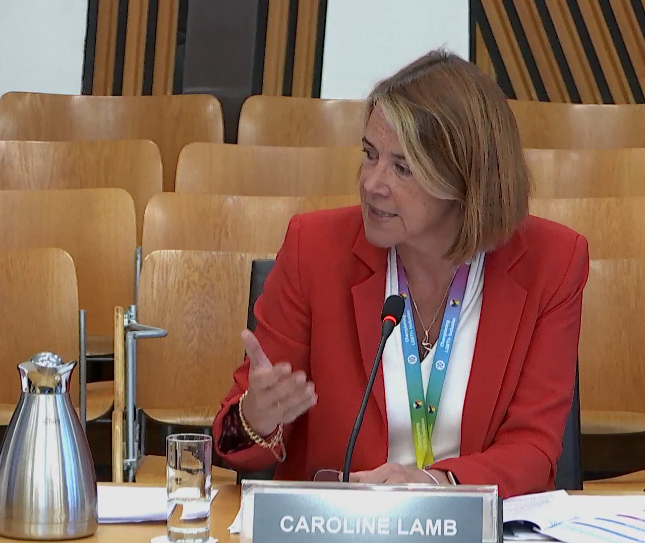
NHS Scotland’s Chief Executive told the committee she accepts that implementation of the contract has not moved as fast as hoped.
Feeling overlooked
Last month, RCGP Scotland urged the government to change course on GPs and primary care, detailing a ‘cycle of invisibility’ faced by community health services.
Today, RCGP Scotland’s Dr Chris Provan told the committee that the 2018 contract has failed to deliver the “impact on the ground we would have hoped”, adding:
“We’ve seen significant erosion of general practice as a shield to protect secondary care.
“We need to shift that focus, funding and infrastructure to build GPs up again, towork in different ways and in the community.
“GPs are leaving because of the workload and burnout. We need more GPs, and that means investment in practices to be able to employ those GPs.
“Yes, there is good work going on to support people like me towards the end of their careers to keep going and in mid-career. But fundamentally we need a shift in how we resource the number of GPs and the number of GPs per patient.”
He added that the contract was supposed to be followed by direct reimbursement of practice expenses, to bring a level of stability to the current model which is yet to become a reality.
Dr Provan said RCGP Scotland are actively looking for alternative ways to support the stability of the profession.
The committee heard that Scotland’s public sector watchdog has laid out the failures from government to meet its GP promises, casting doubt over the promise to deliver 800 more GPs by 2027.
While spending on GPs has increased in cash terms, the government’s allocation to general practice as a proportion of the health budget has dropped.
Dr Provan said a “cultural and systematic neglect” of general practice is reflected in the for GPs dropping from 11% in 2006 to just 6.5% in the latest budget amidst rising inflation.
Gaps in provision
In this year’s Programme for Government, the First Minister pledged to increase GP appointments – many as part of the GP heart disease prevention scheme.
Data from the latest progress report shows many practices are unable to access some core services under the responsibility of health boards, despite £190.8m allocated last year for this purpose.
Only 61% of practices have access to chronic disease monitoring and 88% to phlebotomy, despite health boards taking on full responsibility for community treatment services in April 2023.
In this report, the government reveals an increase of 173.4 since March 2024 in Scotland’s primary care additional staff.
Ahead of today’s evidence session, BMA Scotland revealed many GPs are struggling to cope with their workload, with nearly half of those surveyed saying the future of their practice is ‘precarious or not sustainable’.
Meanwhile, a quarter of GPs describing their workload as ‘unmanageable’.
BMA Scotland’s Dr Morrison told today’s meeting that the priority must be delivering more core funding to employ the GPs Scotland needs:
“Years of inflationary erosion and neglect within budgets means general practice is at crisis point.
“With record levels of demand, we face the ridiculous paradox of seeing GP underemployment.
“The solution is direct investment.
“It would mean more time to spend with people that need us the most, to provide proactive preventative care, which has huge knock-on health economic benefits.”
More core funding which moves GPs allocation towards 11% would “transform the face of general practice” and help achieve the capacity needed in the system, Dr Morrison added.
Delivery challenges
NHS Scotland Chief Executive Caroline Lamb told MSPs while progress is underway, she accepts the Audit Scotland report findings, recognising there is “much more to be done”:
“There have been several challenges to the implementation of the ambition set out in the 2018 contract and I don’t shy away from that.
“There are a number of reasons for that – not least that we had a COVID pandemic in the early stages of implementing that contract.”
She added that the next steps to ensure sustainability for GPs and the wider health and care system will be through implementing the service renewal and population health frameworks.
Read more: Current metrics fail to capture full NHS activity; Probe into future of NHS Scotland's doctors underway; Chief Medical Officer: ‘Critical connections’ priority; NHS doctors unemployment crisis despite understaffing; Watchdog criticises homelessness service cuts; ‘Unprecedented’ crisis in community healthcare; NHS will “struggle to see out” 2025, say doctors
Sign up to our bulletin for key health & social care updates straight to your inbox. |