|
Police: who should we call in third sector? |
Related newsPublic health – don’t just focus on the goalkeeper Scotland’s gender health understanding gap Scotland at the table with UN healthy air commission Scotland can be a Marmot Nation Children’s health at risk from food insecurity For families to flourish, support Dads too 
|
|
Image Credit: © mino21 - stock.adobe.com
|
||
|
||
|
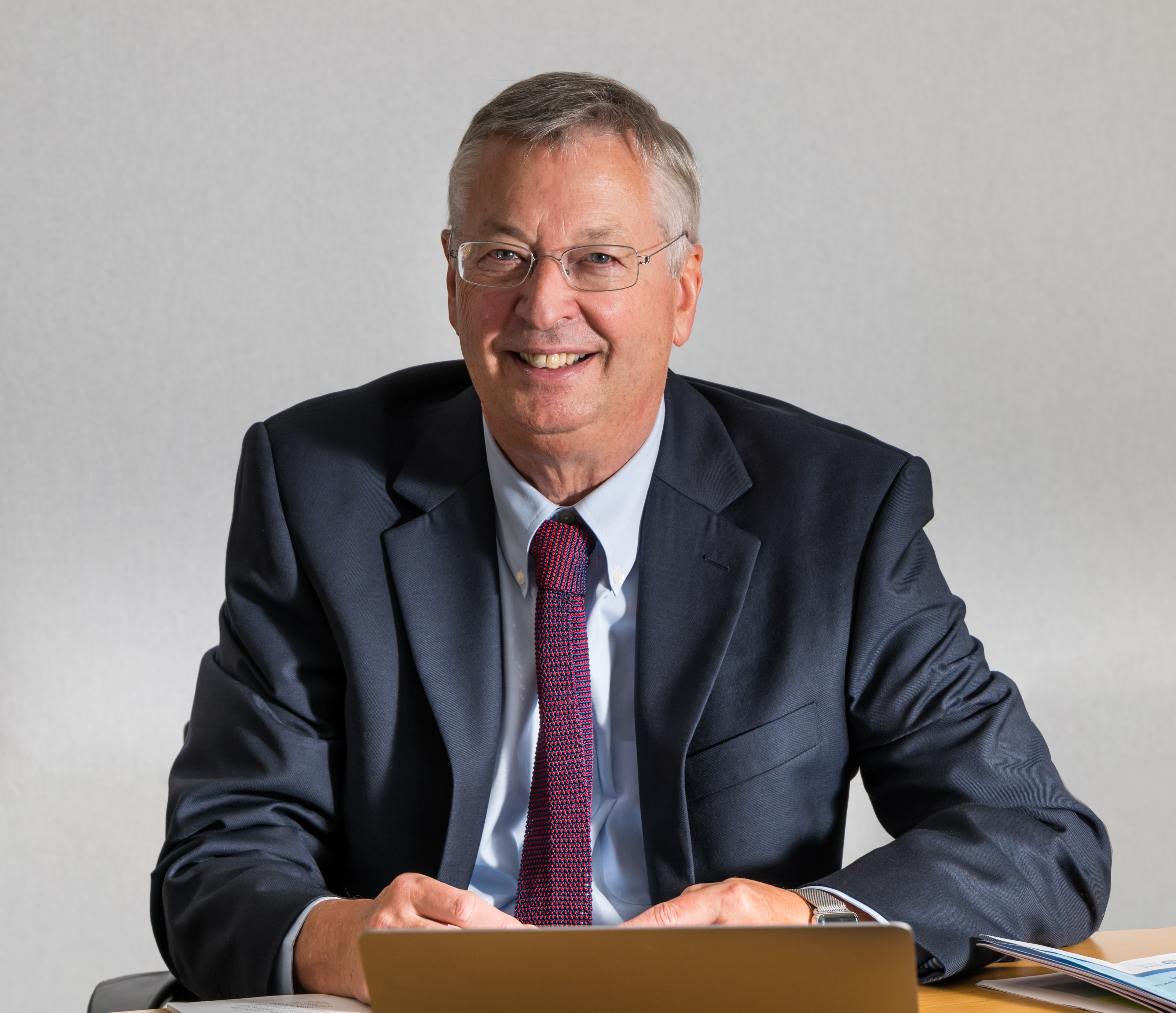
If the police and third sector organisations could work better together, then the experience of the people of Scotland would be vastly improved, according to the chair of the Scottish Police Authority.
Martyn Evans will tell the 20th anniversary conference of Voluntary Health Scotland next Wednesday that the police service in Scotland has a unique role and insight that local organisations should tap into.
Martyn Evans tells healthandcare.scot that one of the reasons he was drawn to policing, joining the Scottish Police Authority in 2018, was that it had a particular role that often goes unrecognised:
“Police Scotland has a very unusual statutory duty to improve the wellbeing of individuals and communities. That's unique in policing across the United Kingdom, and probably in the world.
“That duty is at the heart of what the organisation’s leaders believe: that they’re not the law enforcement agency, they are about a human rights-based approach to people’s wellbeing. And they want to be partners with others to deliver that.”
Martyn Evans has had a long career in organisations focusing on wellbeing, heading up Citizens Advice Scotland and Shelter, then the Scottish Consumer Council.
As Chief Executive of the Carnegie UK Trust, he moved the focus of the foundation to include research and campaigning on changing how people think about what makes healthy communities, how organisations can work together to address root issues that impact people’s wellbeing, and why economic measures like GDP do not measure but, instead, mask inequalities. His passion, he says, to address inequality drove his interest in wellbeing.
He also sat on a Commission on the Future of the Voluntary Sector in Scotland set up by John Major’s government.
“We had businesspeople on that panel who were appalled that there were 24,000 charities in Scotland and wanted to rationalise everything. But my view is that pluralism is the very heart of the benefit of charities in Scotland.”
But, he says, the large number of different organisations creates a challenge for the police to know who to work with:
“People are far more in touch with the police than most realise. Three million calls a year – a 24/7 service. It's one of the great privileges of policing and it's one of the great assets of policing that so many millions of people are willing to phone them.
“The person making the call about a person in distress isn’t making a psychiatric assessment. If the person is calling themselves, they can't actually explain it. So, it’s very important that we respond.
“A police officer who attends can make a provisional assessment and a provisional direction to stop the traffic, to send for this help, to move the person somewhere better. There are very few people who have that power, almost nobody.
“What they need, and what I've been arguing for, is for there to be a point of handover.”
Mr Evans says that Police Scotland is not reducing its response to calls triggered by people experiencing mental distress. The service has instead improved its response, triaging cases with the help of mental health practitioners embedded in their control rooms, and then transferring to local teams who can arrange for someone to be seen quickly.
But, he says, they cannot do it on their own:
“I don't want policing to resolve the issues on its own. I want policing to be the conduit to other services.
“The sympathetic, clear, professional and warranted police officer has lots of powers, but it’s a waste of their time and energy to have them sit in A&E for hours.
“And then we have the situation where police have to briefly take children into a custody suite, which can be a really frightening place, because there is no other safe place.”
Martyn Evans will tell the VHS conference that Police Scotland has much in common with the third sector – and advise organisations working in communities to get involved with the officers who are part of Community Planning Partnerships.
“What the police bring is rather like quite a lot of the membership of Voluntary Health Scotland: they're not theoreticians, they're not policy people, they're working on the ground with people,” he says.
“Police bring real experience of the vulnerabilities and the inequalities within their communities. While 88% of us have no crime committed against us from one year to another, 4% have half of all crime committed against them.
“Police are very aware of the vulnerability and distress and harm in their community. They maintain registers of those who are vulnerable and at risk.
“I want to encourage the voluntary sector to step closer to policing, because policing, in my view, is very open to local partnerships, trying to find solutions.
“It all comes back to the idea that the voluntary sector tends to see people as a whole, where public services tend to see a ‘health’ person or a ‘housing’ issue, they tend to fragment.
“Policing tends to see everything.”
The VHS 20th Anniversary conference “Scotland’s Vital Health Sector” takes place in Edinburgh on Wednesday 23 October.
Visit the VHS eventpage here where you can view the full agenda and book a place.
healthandcare.scot is pleased to be a media partner with VHS for the conference.
Sign up to our bulletin for key health & social care updates straight to your inbox. |