|
Tourist lets make rural NHS recruitment harder |
Related newsCommunity Link Workers reducing stress on GPs BMA: 2026 can be “watershed moment” for NHS Collective bargaining promised for social care Call for care home nurses to be given pay parity Two thirds of doctors experiencing burnout Health and care in the Scottish budget Piecemeal approach to serious NHS errors handling NHS problems ‘still need fixed’ despite pandemic focus Scots warned not to assume virus immunity Scotland reaches testing target & expands eligibility Remote & rural areas could be hit hardest by covid-19 NHS whistleblowing champions appointed 
|
|
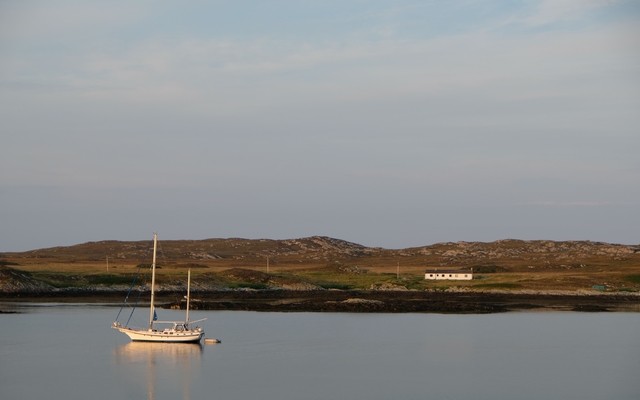
Isle of Coll © John Macgill
|
||
|
||
|
A ‘one size fits all approach’ to healthcare policy is not meeting the specific challenges faced by people who live and work in rural and remote areas, a parliament inquiry finds.
Holyrood’s health and care committee says that money allotted to rural health boards does not properly reflect the higher costs associated with delivering services in these areas.
Nationwide demand for more practice-based allied health professionals and changes to how vaccinations are delivered were found to be ‘impossible’ to deliver for many rural GPs and, the MSPs found, has even led in some cases to worse outcomes for local people.
The committee is calling for the Scottish government to reform the formula used to allocate health board funding to take into account depopulation, a greater requirement for small scale service delivery and an ageing population – all challenges that disproportionately impact rural areas.
A serious problem in health and care recruitment in these areas was found by the committee to be driven by housing shortages and a lack of local opportunities for staff training and development.
Difficulties with accessing healthcare services in remote and rural areas were also raised repeatedly in evidence to the inquiry, especially on the costs of travel and accommodation when patients had to travel for treatment.
While the committee highlighted the ‘crucial role’ it believes digital solutions will play in improving both the quality and delivery of rural health services, it acknowledged digital connectivity is still a barrier for many.
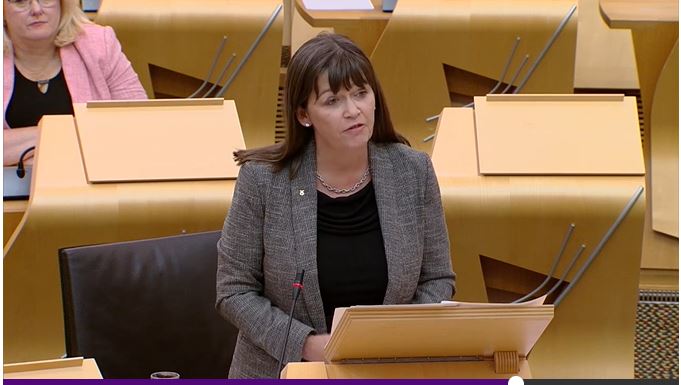
Clare Haughey MSP, Convener of the Health, Social Care and Sport Committee, said it is time for the specific challenges faced by remote and rural communities to be addressed:
“Our inquiry has shone a light on the unique challenges facing remote and rural healthcare services, both for those accessing and those delivering those services.
“The evidence suggests that often healthcare policy is developed as ‘one size fits all’, which fails to address the particular needs of remote and rural communities.
“We want to see a whole system approach which designs services in a way that is more flexible and responsive to local needs – while systematically learning from the good practice that is out there.
“We believe that developing a tailored approach to healthcare service delivery that reflects local challenges and circumstances should be an overarching priority of the new National Centre for Remote and Rural Health and Care.”
A National Centre for Remote and Rural Health and Care was set up last year to support the delivery of improved care and reduce inequalities.
However, the committee has raised concerns that there is a lack of awareness of the centre amongst the people they spoke to.
Health Secretary Neil Gray told the committee during its inquiry that the centre has been leading on the development of a workforce strategy specifically for rural and island communities which will be published before the end of the year.
Housing shortages are driving rural recruitment challenges
A shortage of available and affordable homes, driven by tourist lets and second homes, was found by the committee to be a serious challenge to being able to recruit health staff in rural areas.
While some areas still have ‘protected accommodation’ for medical staff, the committee heard that this is not often the case for students or nurses, who are often expected to stay in local hotels or are forced turn down jobs because of a lack of suitable accommodation.
The committee is calling on rural NHS boards to work with local partners to repurpose vacant public property into affordable accommodation for healthcare staff and incentivise local people to provide temporary places to stay.
Other suggestions put forward by the committee to boost the current and future rural healthcare workforce are for NHS pay structures that recognise the additional responsibility in remote and rural roles, increasing mileage rates and more ‘earn as you learn’ programmes.
The Scottish govenrment has been approached for comment.
Read more: Challenging medicines in beautiful places; Cancer outcomes worse for rural patients; A psychiatric hospital "ahead of its time"
Sign up to our bulletin for key health & social care updates straight to your inbox and you can follow healthandcare.scot on Google News.
|