|
NHS problems ‘still need fixed’ despite pandemic focus |
Related newsWatchdog: ‘Stark reality’ of halted council services Government reveals new private hospital contract costs Watchdog: Government unprepared for pandemic Agency health & care staff left out of £500 bonus Scottish budget: Health spending rises to £16bn NHS savings plans ‘not sustainable’ NHS whistleblowing champions appointed Briefing: Scotland’s health & care intelligence Piecemeal approach to serious NHS errors handling Mental illness detentions reach record levels Scots warned not to assume virus immunity 
|
|
|
||
|
||
|
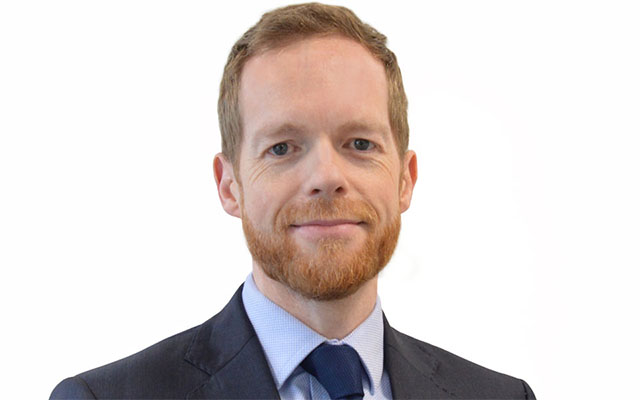
“Systemic risks” to health and care services may have moved out of the spotlight amid the covid-19 crisis, but the problems of financial pressures, a lack of integration and high rates of senior staff turnover are still needing fixed, warns Scotland’s Auditor General.
Hours before tighter lockdown restrictions are expected from St Andrew’s House, Stephen Boyle warns that although “lockdown fatigue” is setting in, tough decisions still lie ahead when it comes to Scotland’s NHS.
It comes as Public Health Minister Joe FitzPatrick told the Scottish Parliament’s health committee it was “too early” to say whether covid-19 would lead to more NHS boards failing to balance the books.
Although virus-related additional costs are being covered by the Scottish government, adding up to around £500m in April to June of this year, efforts to tackle underlying financial shortfalls have stalled.
Scottish government Health Finance Director Richard McCallum suggested boards would still be expected to balance their non-covid budgets.
But he said the priority was getting funding to health boards and health and social care partnerships as quickly as possible ahead of winter and a possible second wave.
The Auditor General warned: “There are incredibly tough decisions ahead, and it’s important that there is public understanding of the continuing pull of the pandemic on the NHS.
“There is a large backlog and capacity is limited due to the need for physical distancing. And there has already been a personal toll on staff who continue to put the lives of others above their own.
“Things will not go back to the way they were before covid-19. There will inevitably be longer waiting times for people with lower clinical priority.”
Reduced numbers of people seeking medical help for conditions like stroke during the pandemic could have a long-term impact on individual lives and the demand on health services in the future, Mr Boyle warns.
“In the meantime, the Scottish government is committed to redesigning how services are delivered, including considering setting up a National Care Service. But one of the biggest challenges remains planning amidst so many unknowns.
“We simply don’t know how the pandemic will develop and be contained while the world waits on a vaccine. Or whether there will be enough testing capacity to avoid further lockdowns if covid-19 cases rise sharply.”
The spectre of Brexit looms ever larger, particularly as relations between EU and UK government officials seem to continue to deteriorate.
Mr Boyle says: “We don’t know the terms of the UK’s Brexit deal (although we do know that a no-deal Brexit is looking more likely and the impact that it could have on public service staffing and supply chains).
“And we don’t know how the Scottish economy and budget – including money for our health and care services – will be impacted in the medium to long-term by coronavirus.
“That’s why the Scottish Government, as part of its financial and contingency planning, needs to be clear on its priorities, and which services are essential to maintain. Effective working relationships across the UK and devolved governments have also never been more important.”
Financial auditing of the NHS in Scotland has been delayed by lockdown. Health boards have had annual account deadlines pushed back by months, meaning Audit Scotland expects to report its findings on the state of the health service in January 2021, rather than in October.
In last year’s report, auditors reported Scotland’s NHS was “financially unsustainable” and needed “system-wide” reform. They warned reforms to deal with a potential £1.8bn budget black hole by 2023-24 were “too slow”.
“Before we started this year’s audit work, we knew Scotland’s health boards were under financial pressure, that health and social care integration isn’t happening quickly enough, and that there’s a high turnover of leaders at the senior level,” Mr Boyle says.
“Covid-19 has cast these systemic risks out of the spotlight, but they haven’t gone away.
“Additional pressures in our health and care system have been underlined by the number of people who died in our care homes, the public inquiry into problems at Glasgow’s Queen Elizabeth hospital and the Sick Kids in Edinburgh, and the loss of public trust in mental health services in Tayside.”
There were some positive changes that came about as part of the response to the pandemic though. Innovations that would “normally have taken years” happened in a matter of weeks and must be held on to, Mr Boyle says.
“The Louisa Jordan hospital was constructed in a fortnight. There was a huge surge in video consultations – from 300 a week in March to around 17,000 a week by June. And there was evidence of increased partnership working as the health system pulled together at a time of crisis.
“The positives from that period must now be retained as health leaders balance the ongoing demands of coronavirus with re-introducing the full range of NHS services that were interrupted.”
Supporters – If you can help support our reporting for Scotland's health and social care community, please head to our donations page.
Bulletin – Sign up for all the latest news and events. Tags: Finances; Infectious disease. |
