|
Number of carers grows by more than 25% |
Related newsAll public bodies must focus on health, urges charity New social care minister appointed Health and charity leaders join forces for NHS reform Holyrood passes Care Reform Bill Fixing social care funding must be council “priority” Lived experience at centre of care advisory group 
|
|
© Daisy Daisy-
|
||
|
||
|
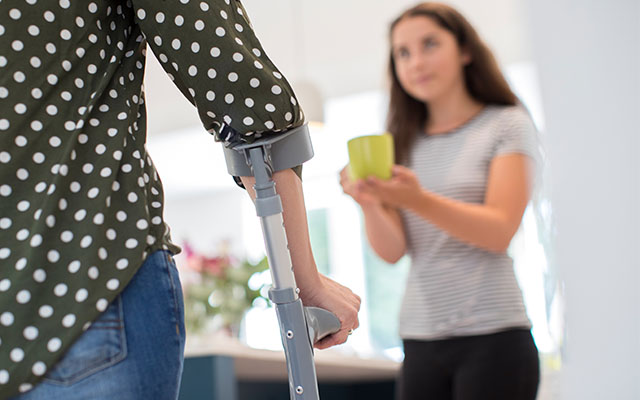
The number of unpaid carers in Scotland has risen by more than a quarter in the last decade to over half a million according to latest census data, prompting calls from Carers Scotland for ‘urgent investment’ to support them.
Census data published this week shows that there were 627,700 unpaid carers in Scotland in 2022 – marking a rise of 27.5% since the 2011 census.
Over the same period, the number of people living with a significant health problem or disability that limited their daily activities in some way rose to more than 250,000.
National Records Scotland said the increase is driven largely by Scotland’s ageing population.
Commenting, Director of Carers Scotland Richard Meade said unpaid carers are increasingly having to “fill the gap” in a struggling health and social care system:
“It is not surprising to see such a huge increase in the number of unpaid carers reported in today’s census. As our population ages and more and more people are living with long term conditions impacting their daily lives, while at the same time health and social care resources struggle, unpaid carers have to fill the gap.
“With so many more people now carrying out unpaid caring roles, and with over 152,000 carers providing more than 50 hours a week of care, we need to see significant investment in services and support for unpaid carers.”
Most unpaid carers are aged 50 or over and 58.8% are female, according to the census.
Meanwhile, more than half of unpaid carers spent 1 to 19 hours per week providing support and an additional 24.3% spent 50 or more hours a week caring.
The census also revealed that 617,100 people reported living with a mental health condition in 2022, rising from 4.4% of the population in 2011 to 11.3%. Men still less likely to report having a mental health condition than women.
Carers Scotland’s Mr Meade said the Scottish government, NHS boards, and local authorities “must urgently invest in services” including respite care, financial support for carers, and mental health resources to ensure that unpaid carers can continue in their roles “without compromising their own wellbeing”.
Carers Trust has also called for action, reflecting that the census reveals an urgent need for more support.
Paul Traynor, Head of External Affairs at Carers Trust Scotland, said this rise in unpaid carers is “not a shock” to the charity, adding:
“Local carer organisations are essential in helping to support unpaid carers, but they need adequate and sustainable funding and must be recognised as equal partners in the delivery of social care.
“All too often, excessive demands on unpaid carers leads to burnout, with knock on effects on their ability to care.
“We need to ensure unpaid carers are able to have and sustain good health and wellbeing. In order to help achieve this, unpaid carers need regular breaks from caring and Scottish government should move apace to introduce a right to a break from caring and invest in short break service provision across Scotland.
“We need swift action to properly invest in and improve social care support and services.”
This echoes repeated calls to support the physical and mental health needs of Scotland’s unpaid carers, with over a third reporting thoughts of self-harm or suicide earlier this year.
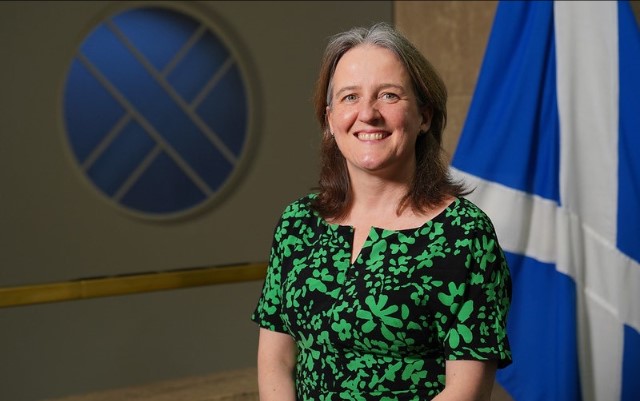
Social Care and Mental Wellbeing Minister Maree Todd – who has already called for a “shift in the narrative” of how carers are valued – said that carers in Scotland are already eligible for more financial support than anywhere else in the UK:
“In Scotland, we recognise the incredible contribution that our unpaid carers make to their loved ones. That is why we are investing £88.4m per year, via local authorities, in carer support and through our Carers Allowance Supplement have provided more than £300m to 164,000 carers.
“By the end of this year, carers continuously in receipt of Carers Allowance Supplement will have received more than £3,800 more than those in the rest of the UK.”
Read more: Health and care workforce to be bolstered over winter; Reframing how we value carers; Carers and people with dementia deserve better; Care management ‘on its knees'
Sign up to our bulletin for key health & social care updates straight to your inbox. Tags: Scottish Government; Social Care; Unpaid Carers. |