|
Scottish government consults on medicines blacklist |
Related newsPharmacy’s road to stigma-free drug dependency care Pharmacists urge leaders to act for the profession Report spotlights drug shortage crisis GPs told not to prescribe hundreds of items NHS receives extra cash from medicines scheme £20m pharmacy cash injection small amid rising costs 
|
|
© I viewfinder
|
||
|
||
|
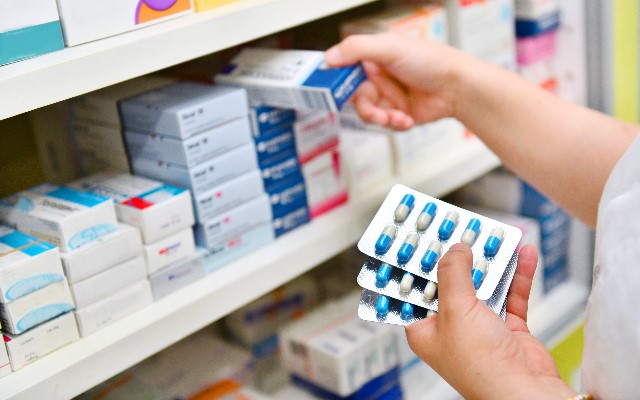
The Scottish government says the NHS in Scotland could save millions of pounds a year by restricting – or stopping altogether – the prescribing of medicines it considers to be of low or limited clinical value.
New draft national guidance says 17 medicines cost the NHS in Scotland £3.8m in 2022/23, despite all of them having either significant safety issues, no evidence of clinical effectiveness or no additional benefits compared with cost-effective alternatives.
The list includes homeopathic and herbal treatments, antioxidants, probiotics, several different types of painkillers, and treatments for hypertension.
One of the biggest groups affected could be people with dry skin conditions like dermatitis and eczema, with the ending of routine prescribing of bath and shower emollients.
NHS Scotland spent £1.2m on these products in 2022-2023, despite a 2018 review finding no evidence of clinical benefit in their use.
An additional £620,000 a year would be saved by no longer prescribing Lutein and antioxidants – like vitamin A, C and Zinc – which are available over the counter and in health food shops.
The proposals – which are out to consultation until 8 September – would mean doctors would no longer be able to prescribe any of the medicines on the list, while those already with prescriptions would be taken off them and given alternatives if necessary.
The consultation recognises that the guidance could affect drug supplies. It commits NHS Scotland to work with the UK Department of Health to ensure that pharmaceutical companies are aware of the potential need for increased supply of alternative products that will be needed to fill the gaps.
Most medicines included in the guidance are on similar drugs blacklists in England and Wales, with some additions requested by Scotland’s health boards.
An additional 11 medicines considered of ‘limited clinical value’, which could be prescribed in some exceptional circumstances, also form part of the draft guidance.
A restriction on the types of insulin pens and blood glucose monitoring strips made available for people with diabetes will also be put in place under the plan, the draft guidance stating that there are many different types of both products available in the UK, with wide variation in price. The proposals say rationalising use will ensure the most cost-effective options are used first.
The draft proposals also include recommendations on the effective prescribing of antimicrobials.
Prescribers will be advised to avoid antibiotic prescriptions in viral infections, and, when a prescription is necessary, ensure courses run for the appropriate duration and minimise use of liquid or IV doses.
People will also be encouraged to return any unused antibiotics back to pharmacies for safe disposal.
The Achieving Value and Sustainability in Prescribing guidance is part of a Scottish government programme to reduce the levels of ‘unwarranted variation’ between NHS boards.
The proposed blacklist is accompanied by a series of charts showing significant differences between boards in both the volume of items being prescribed, and the cost of prescriptions for every thousand patients, for the same clinical conditions.
Read more: Realistic Medicine agenda moves forward; GPs in ‘moral distress’ over drug shortage crisis; Joint pharmacy project cuts adverse events
Sign up to our bulletin for key health & social care updates straight to your inbox. |