|
Exercise key to combatting frailty epidemic |
Related newsChallenging assumptions around dementia Hip fracture audit triggers concerns FM candidates asked if they care about care Care worker visa changes ‘inhumane’ and risks services Holyrood scrutinises self-directed support 10 years on Glasgow hosts global care gathering 
|
|
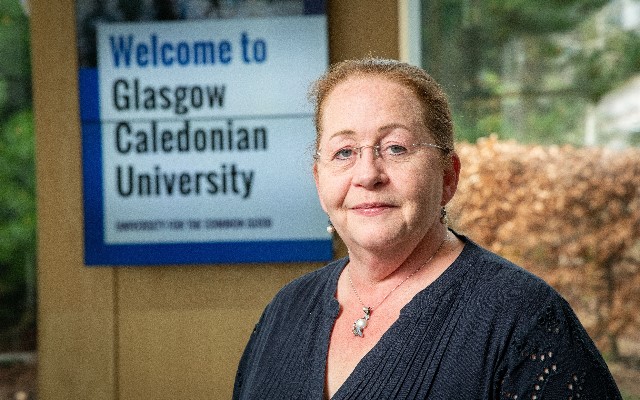
Professor Dawn Skelton, Professor of Ageing and Health at Glasgow Caledonian University
|
||
|
||
|
An international audience in Glasgow is to hear that Scotland is suffering an epidemic of frailty, accelerated by the pandemic, but that many of the approaches to try to reduce falls and fractures are increasing rather than reducing risk.
Dawn Skelton, Professor of Ageing and Health at Glasgow Caledonian University, will be giving a keynote speech to the 2023 Global Ageing Network’s biennial conference with the message that older people – and wider society – are being shortchanged by decisions to cut down prevention programmes.
On the day of the first lockdown, thousands of active older people in Scotland abruptly stopped walking to local shops, meeting up with friends and going to lunch clubs. They became de-conditioned, some lost confidence and, even now, organisations running groups report that fewer people have returned than pre-pandemic.
Professor Dawn Skelton says lockdowns during the pandemic have contributed to a steep rise in frailty – and often life changing falls:
"Frailty is not a one-way street, and falls, which are a symptom of frailty, are preventable. But we haven't been doing a good job.
“There are falls prevention programmes running all over the UK. So why aren't we seeing a reduction in falls and fractures?
“The answer is that health and social care providers are short cutting the evidence base, tinkering around the edges – shortchanging people by not giving them a decent, effective dose of exercise – or the correct exercise.”
Professor Skelton says well-recognised exercise programmes shown in multiple studies to reduce falls, and that are cost-effective by keeping people out of hospital, are being delivered for a few weeks to save money when they're meant to run for six months to a year.
"Falls services or exercise programmes that are only done for a short time may help you feel a bit better in yourself – you will feel a bit more confident – but they don't actually physiologically make the difference you need to stay upright.
“So, I'm worried that what we are doing is increasing falls by increasing confidence without giving the people the skills they need to stay upright."
One of the challenges for the health and social care system, Professor Skelton says, is that trained and qualified staff are needed to deliver these falls prevention programmes, while older people – often carers themselves – can find it difficult to commit to regular appointments and easily lose heart if they miss sessions.
“It's too easy to dismiss falls and frailty as simply a symptom of ageing,” says Professor Skelton. “If you are a health professional and have patients with cancer, heart disease, stroke or any clinical condition, you wouldn't dream of only giving them half a dose or less of a treatment.
“Let's do better for our older population, particularly as there are more people who are frail post-pandemic. And let's actually stop dabbling around the edges and put in proper, effective interventions that we know will change the lives of these individuals, their families and carers."
Professor Skelton will tell the 2023 Global Ageing Network’s biennial conference in Glasgow that, for all the enjoyment people get from seated exercise, it is standing up, moving, walking and transferring – all of which she accepts are inherently risky – that challenge people's balance and reduces their risk of falling. Practice makes perfect, she says: the brain needs to practice keeping you upright to improve at it, just like an athlete regularly practices the sport they want to excel in.
She says she accepts people and their carers will be concerned about risk, but suggests that as soon as age makes something more difficult or less comfortable, people need to be doing it more often:
"Across the board, irrespective of your condition, the more active you are, the less your symptoms bother you and the less your quality of life is affected," says Professor Skelton.
"So, my message to the conference and to everyone is that if something is getting a bit difficult, be it getting in and out of the bath or using the stairs or going up the hill to the local shop, do it more often. Don't avoid it. If you do it more, your body gets better at it, and it becomes less of a problem. Avoid it, and it will get more difficult."
Read more: Glasgow hosts global care gathering; Homes now the ‘busiest geriatric ward’ in Scotland; Hip fracture audit triggers concerns
Sign up to our bulletin for key health & social care updates straight to your inbox and you can follow healthandcare.scot on Google News. |
