|
College: More GPs needed to tackle health inequalities |
Related newsDoctors say GP funding boost “just the start” Less than full-time – behind the NHS trend Doctors invited to shape medical workforce reforms Scotland to work with UK on Physician Associate reform Chief Medical Officer: ‘Critical connections’ priority Health and charity leaders join forces for NHS reform Holyrood hears evidence on abortion legislation College: Preserve GPs to preserve the NHS £20m pharmacy cash injection small amid rising costs Diversity in healthcare – what can we do? Large scale Scots health study calls for volunteers Questions remain as hospital delay bill rises to £28m 
|
|

|
||
|
||
|
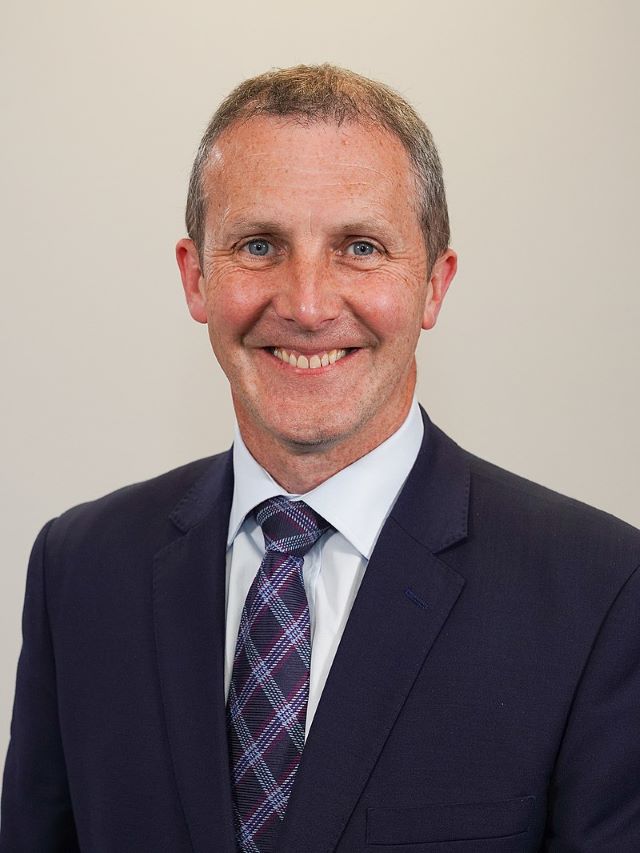
The Royal College of General Practitioners (RCGP) Scotland has today welcomed the Cabinet Secretary for NHS Recovery, Health and Social Care at a Deep End GP practice as they outline the need for more action on tackling health inequalities.
Michael Matheson’s visit comes weeks after an RCGP Scotland member survey revealed 71% of GPs have seen an increase in the number of presentations that could be linked to poverty, poor diet, poor housing, or a lack of funds for daily living over the past year.
An additional 89% of GP respondents said they were concerned about the impact of rising costs-of-living on their workloads over the coming months.
RCGP Scotland is calling for more GPs, as the organistion shares that its members are working ‘under sustained pressure’ and feel they are ‘firefighting’ daily. Only 39% of GP respondents to the annual survey felt they had enough time in appointments to build relationships to delivery the quality care.
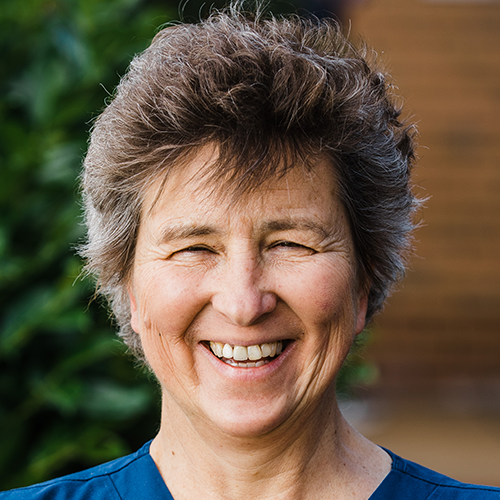
Deputy Chair of RCPG Scotland and Deep End GP, Dr Catriona Morton, met with the Cabinet Secretary at her deep end practice – which serves one of Scotland’s most deprived communities – in South Edinburgh.
She repeated the College’s calls for the government to take action to tackle GP burnout and enable primary care teams to care for their patients:
“It is meaningful that the Cabinet Secretary experienced time in a busy Deep End practice today.
“We were able to share the frontline experience of GPs and their teams who, amidst significant workforce and workload pressures, are committed to meeting the complex health and mental health needs of this community.
“Our tracking survey shows that a vast majority of GPs are concerned about the impact of the cost-of-living crisis on our patients’ health and wellbeing – and those impacts will be compounded in our most deprived areas. General practice has been the first place that most people have turned to when they need help.
“If we are to truly make steps to tackle Scotland’s poor record on health inequalities, the Scottish government must act on the workload and workforce solutions required to enable us to continue to provide empowering, person-centred care over the lifespan.”
A bolstered workforce
The visit comes a day after Scotland’s doctors-in-training accepted a pay agreement from the Scottish government amounting to a £61.3m investment alongside a ‘shared goal’ with the BMA towards pay restoration.
In doing so the Scottish government has avoided junior doctors’ strike action that continues across England, estimated to have already cost Westminster £1bn which could have helped provide pay restoration.
Michael Matheson, Cabinet Secretary for NHS Recovery, Health and Social Care, says general practice is “uniquely placed” to support patients from Scotland’s most deprived areas experiencing poorer health outcomes:
“I am pleased to have visited Craigmillar Medical Group as they celebrate 75 years of caring for their community. They are a great example of a multi-disciplinary team working to improve health in their area.
“General practice is at the heart of our communities and is uniquely placed to deliver the care and support needed by patients who experience health inequalities.”
RCGP Scotland says tackling Scotland’s ‘very poor record’ on health inequalties will require a modern NHS that takes a more holistic approach, focused on preventative care, mental health suppport and community engagement.
RCGP Scotland adds that key to this will be a bolstered workforce, resource and time.
Yet, today also sees the ALLIANCE call for the reversal of cuts to community link workers across Glasgow, who support GPs and provide community-based support to patients.
Last month, RCGP Scotland highlighted the ‘sustained pressure’ of the workforce crisis – call for the governmnet to protect general practice in order to preserve the NHS.
The RCGP says that it continues to work with the Scottish government to ensure general practice returns to a ‘stable footing’ in order to reduce health inequity in Scotland.
Read more: Surgeons' deep concern as 45% planning to quit; Scotland's doctors ‘trying not to lose hope'; Nursing report spotlights burnout and discrimination; A pharmacist on the frontline; Junior doctor strikes on pause; Auditor General: Difficult choices for Scotland's NHS
Sign up to our bulletin for key health & social care updates straight to your inbox and you can follow healthandcare.scot on Google News. |