|
“Shocking” drop in access to alcohol treatment |
Related newsScotland’s third sector calls for health partnership Scots kidney disease patients urge politicians to act Holyrood hears calls for more inclusive communication Holyrood ADHD and autism inquiry launched Charting Scotland’s future health and hospital demand Call for ‘urgent’ review of ADHD and autism services Holyrood hears evidence on abortion legislation Robots could play part in combatting loneliness Healthy ageing project receives funding boost At-home pessary care offers hope to prolapse patients Campaign launched to boost social care workforce Glasgow project makes research accessible to all 
|
|

Image Credit: © bodnarphoto__
|
||
|
||
|
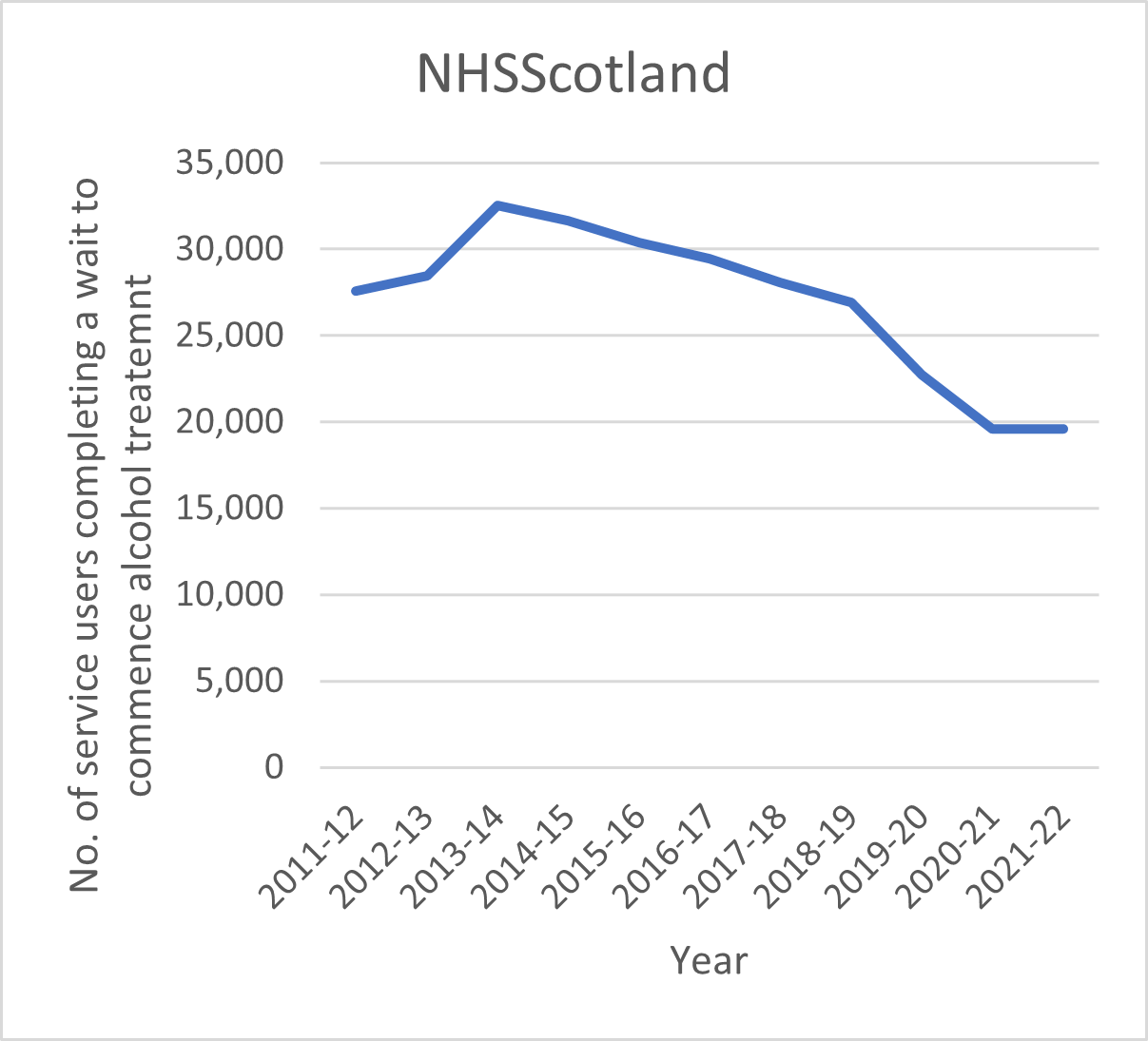
New analysis from a leading charity reveals that access to specialist alcohol treatment in Scotland has declined by 40% over the past 10 years, with alcohol deaths at their highest level since 2008.
The recently published figures have prompted a call for increased investment in recovery support and alcohol treatment services across Scotland, which Alcohol Focus Scotland (AFS) says is “urgently needed”.
Alongside expanding funding of alcohol services for people in Scotland, the charity says renewing and uprating minimum unit price and restricting alcohol marketing are ‘urgently needed to turn the tide of harm'.
While access to services has dropped by 40% since 2013/14, alcohol deaths are at their highest in 15 years according to this analysis.
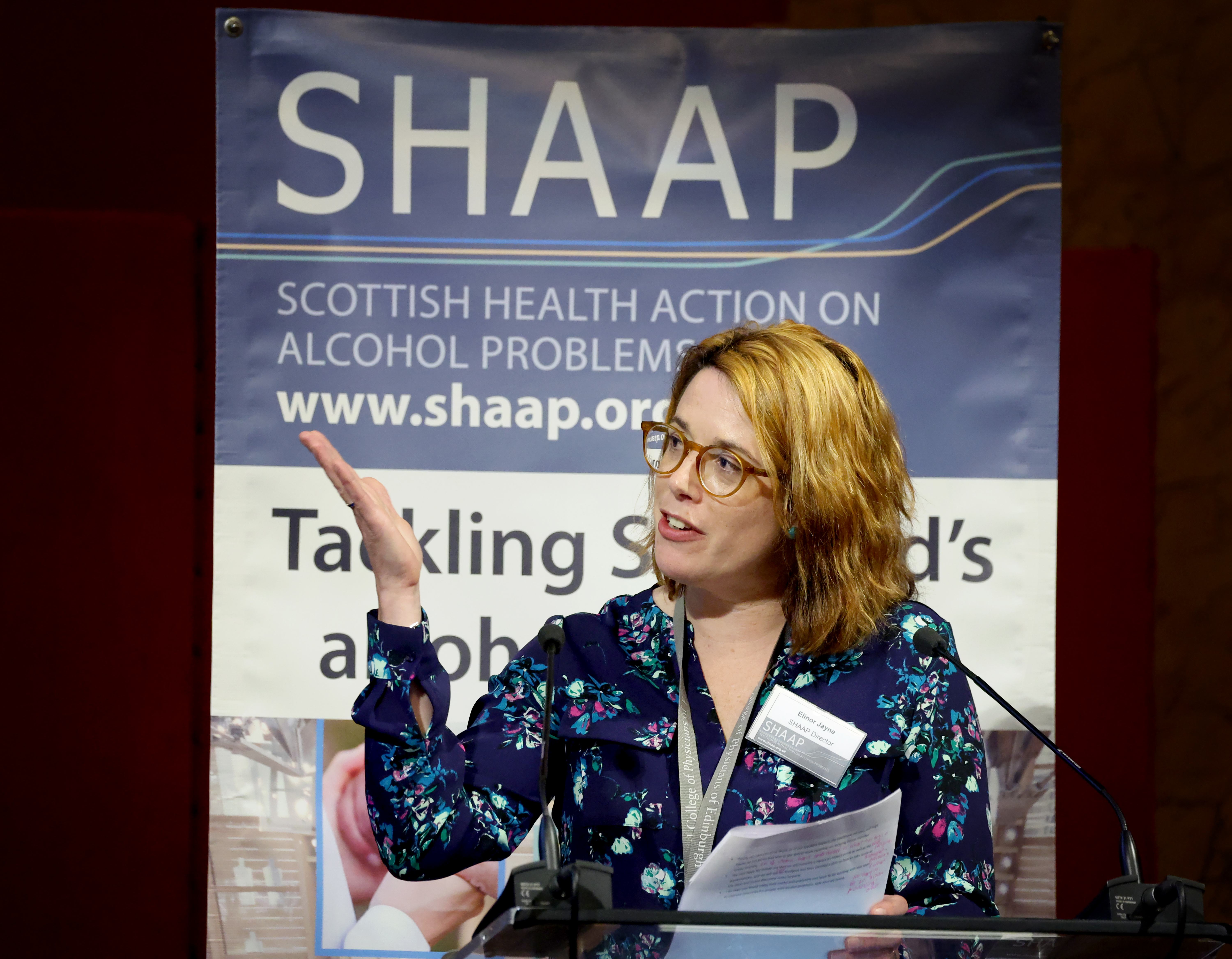
Director of Scottish Health Action on Alcohol Problems (SHAAP), Elinor Jayne, says this highlights a fundamental failure to support people:
“These figures demonstrate that there is something fundamentally wrong with the system that is supposed to support people with alcohol problems. Even when numbers accessing care and support were much higher, there would have been many, many more people whose needs were going unmet.
“The need to introduce a new target for alcohol treatment and support to both increase the number of people accessing it and ensure the support is fit for purpose is now very urgent.
“We cannot afford to wait for the much-delayed UK Alcohol Treatment Guidance and must see action and investment in Scotland now to reduce harms and improve the lives of people affected by alcohol problems.”
While minimum unit pricing was recently found to have saved around 268 lives in each year since its introduction, a dramatic increase in alcohol deaths over the past few years has been seen.
In 2021, National Records Scotland figures revealed that 1,245 people died from alcohol-related causes across Scotland.
Dr Carey Lunan, GP and Chair of the Scottish Deep End Project, says alcohol-related harms are at a “crisis level” in Scotland.
AFS warns that if Scotland does not take action now to prevent and treat alcohol-related harm, Scotland could be ‘turning the clock back 30 years when death rates soared to record levels’.
The charity’s analysis reveals that the number of people commencing specialist alcohol treatment dropped from a peak of 32,556 in 2013/14 to almost halving to 19,617 last year.
Laura Mahon, Deputy Chief Executive at AFS, said:
“The drop in the level of treatment in Scotland over the last ten years is shocking and deeply concerning. Alcohol harm has remained high in Scotland over this time period, so this is not a question of whether people’s need for support has reduced, but rather that they are finding it more difficult to access the support they need.
“This drop in treatment coincides with a period when budgets for Alcohol & Drug Partnerships were cut. At the time, many of us feared that those cuts would affect service provision and it now appears that is the case. The fact that this drop in support is only now coming to light is also of real concern.”
Action from government
Ms Mahon added that the Scottish government must invest in and monitor services:
“The Scottish government urgently needs to invest in alcohol treatment – as they have in drug services – and to monitor provision to ensure these vital services are maintained.
“But we can’t treat our way out of the alcohol emergency – we must also prevent problems developing in the first place – which is why we also need to renew and uprate minimum unit price to at least 65p per unit, as well as restrict alcohol marketing.”
Recently, Alcohol and Drugs Policy Minister Elena Whitham announced “radical proposals” for policy changes to support people affected by drugs as part of the government’s National Mission to reduce drugs deaths.
This call for more action on alcohol-related harm on par with Scotland’s drugs death crisis echoes the campaign from April this year for “bold action” to improve alcohol services and save lives.
Together, 34 charities and medical bodies urged the First Minister to show strong leadership in setting the government’s priorities – stating that action on alcohol is “desperately needed”.
Three months on, this recent analysis based on the government’s own data in response to a written question from Miles Briggs MSP reveals that the drop in service provision pre-dates any impact of the pandemic on alcohol support.
A Scottish government spokesperson responded to healthandcare.scot request for comment:
“We’re determined to do all we can to reduce alcohol-related harm – that’s why we have introduced initiatives such as our world-leading Minimum Unit Pricing (MUP) in the face of significant challenge. Recent research estimated it has helped reduce alcohol sales to their lowest on record, saved hundreds of lives and is having an effect in our most deprived areas.
“We’re also are working on initiatives that will support communities across Scotland to address harmful and hazardous alcohol consumption.”
Access to treatment from 2011 to 2022 © Alcohol Focus Scotland
Complied from a series of Public Health Scotland reports on National Drug and Alcohol Treatment Waiting Times, the response presented by Ms Whitham reveal a 30% decline across Scotland.
This significant rise in loss of life was likely caused, according to the charity, by changing drinking habits during the pandemic, in particular among heavy drinkers, alongside reduced access to services.
However, this new analysis shows that alcohol treatment was in poor shape even prior to the pandemic.
Dr Carey Lunan adds that alcohol harm is affecting deprived communities most severely:
“Each week 700 people are hospitalised and 24 die as a result of alcohol, and the numbers of people whose lives are dominated by alcohol-related suffering is even greater.
“That suffering is experienced most in our most deprived communities; those served by Deep End GPs. It is vitally important for people’s recovery that they receive support as early as possible to avert more chronic problems developing but there has been a significant reduction in the support available to people.
“It is essential that investment in specialist services is prioritised to ensure that they are supported earlier and to relieve future demand on our NHS. This must be accompanied by preventative action on low prices and aggressive marketing which encourage and normalise high levels of alcohol consumption.”
A government spokesperson said the National Mission investment supports both drug and alcohol residential rehabilitation and the government is working on ways to improve service coordination:
“Last year £106.8m was made available to Alcohol and Drugs Partnerships to support local and national initiatives, including £50.3m to support National Mission priorities.
“Our National Mission includes investment in residential rehabilitation where the majority of patients are being treated for issues related either solely to alcohol or a combination of alcohol and drugs. The mission also includes investment in both alcohol and drugs for workforce, tackling stigma, increased support in justice settings and for families impacted by both alcohol and drugs.
“We expect mental health and substance use services to work together and we are working with partners on ways to improve coordination.
“We are also supporting a review and update to clinical guidelines for alcohol treatment which will introduce new approaches in a broad range of settings including hospitals – helping ensure anyone with problematic alcohol use receives the right treatment at the right time.”
Read more: Doctors: Action on alcohol needed; Calls for zero drug deaths target; Analysis: drugs and alcohol in Scottish health survey; Money matters for poverty and health in Scotland
Sign up to our bulletin for key health & social care updates straight to your inbox and you can follow healthandcare.scot on Google News. |