|
LD nurses ask COULD you help? |
Related newsScotland’s chance to lead on disability benefit system Young adults with learning disabilities dying too soon Every Moment Matters in SMA Screening 40 years of disability with attitude Glasgow project makes research accessible to all Challenging assumptions around dementia 
|
|
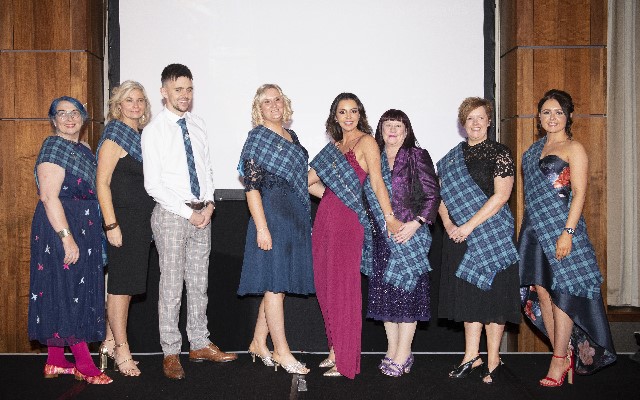
Image: QNIS
The Learning Disability Queen’s Nurses
|
||
|
||
|
A group of nurses has launched a new animation encouraging police and others working in criminal justice across Scotland to be the ones who take the first steps to help people with learning disabilities cope with the system.
The four minute animation asks: “Could you recognise as someone has a learning disability? Could you make the difference by providing the first step in addressing the support needed somebody with a learning disability within the justice system?”
It points out that between 50% and 90% of the learning disabled population find it difficult to communicate, while as many as 60% of the prison population are reported to have communication difficulties.
The video sets out the sorts of adjustments that can be made by those in criminal justice roles to help people with a learning disability to understand information and explaining that some of those affected will mask their condition or react in an extreme way to a new situation. The narrative also points out that many people with a learning disability cannot easily communicate their health needs and will need support from a friend or advocate.
The Think COULD – Communicate, Observe, and Understand Learning Disability animation was devised by the eight nurses who completed the Queen's Nursing Institute Scotland (QNIS) nurse development programme.
At the launch, the Learning Disability Queen's Nurses said they were thrilled to introduce Think COULD, adding:
"Our aim is to promote a more inclusive and understanding environment for individuals with learning disabilities, and this animation is an essential tool towards achieving that goal."
The animation was produced with support from the Burdett Trust for Nursing, a charitable trust that supports initiatives to enhance nursing knowledge skills and practice.
Trust Chief Executive, Shirley Baines says the Trust was delighted to fund “such a valuable project”, adding:
“I hope that those working in the justice system will find it useful and that people with learning disabilities will benefit from an increased understanding of their needs.”
Chief Executive and Nurse Director of QNIS, Clare Cable, says she is incredibly proud of the collective effort behind Think COULD:
“This group of Learning Disability Queen’s Nurses are driving positive change for individuals with learning disabilities, ensuring they receive equitable treatment and fair access to justice. I believe that this animated feature can make a difference.”
The animation is available here.
The team behind the project are:
Read more: Charity: Protect learning disability rights now; Call for participants for diabetes and LD study; Too many commissioners?
Sign up to our bulletin for key health & social care updates straight to your inbox and you can follow healthandcare.scot on Google News
|
