|
Care home visits need ‘case by case’ approach |
Related newsEdinburgh welcomes outdoor brain health centre Scotland commits to change the dementia story Concerns at rise in care home dementia drugs May’s story – life during covid-19 Virus care cuts “devastating” for Scots with dementia Dementia care recovery plan unveiled 
|
|
© lucid dream
|
||
|
||
|
A leading dementia expert says a different approach to blanket bans on visiting is desperately needed, as many of Scotland’s care home residents and relatives continue to be kept apart – almost a year after the first lockdown.
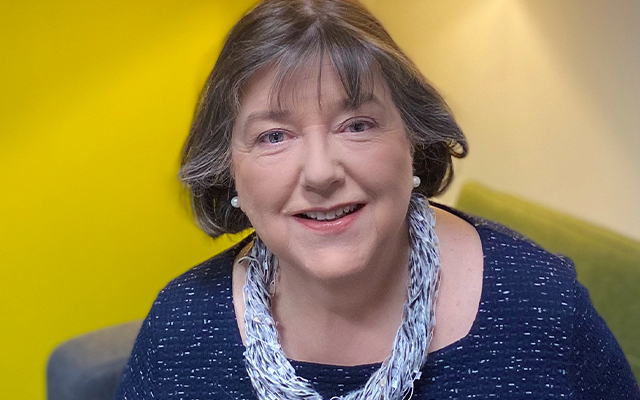
Former nurse and internationally-recognised Professor June Andrews says questions need to be asked about why homes have been so cautious about giving the go-ahead to visiting and believes the sector has been made too “risk-averse”.
Despite issuing guidance that the Scottish government said was designed to open up visiting after the first wave, concerns have been raised by families who struggled to see elderly relatives because care homes had stopped visits “at the request of the government”.
“Visiting guidance that was given across the UK changed so often that it almost felt random,” Professor Andrews says, and the impact has been particularly severe for people living with dementia.
“The care homes were not allowed, by and large, to make individual concessions because the government advice said it was only at end of life that visitors could come in.
“Care homes do individual risk management all the time: about who is allowed out in the garden, who is allowed out alone, who gets access to the kitchen to make themselves a cup of tea and so on.
“They do this management all the time but they weren’t allowed to do individual risk management, and blanket bans had an awful impact.”
Professor Andrews says she has heard of some people removing relatives from care settings during the pandemic so they can care for them at home, while others have even got a job in the care home where their loved one lives.
“You also hear about people avoiding care home admission during this time – even though they are really ready to go into a care home – because they fear that would be the last time they would see that person for the foreseeable future, if at all,” she says.
“What should have been the focus was individual risk assessment. In a care home you might have a particular woman in one room. Her daughter is a retired GP, she had covid last Christmas so she is less likely to get infected by it and she is the kind of daughter that was in the habit of visiting every day and making sure her mother eats. So that daughter might be allowed almost uncontrolled visiting.
“You might have a useful set of rules, for instance that the daughter has to keep a set of clothes at the care home and change into them during the visit and change out of them before she leaves, the way that staff do.
“She should be allowed a visit, but what often has happened is the entire care home just gets blanket ‘you can only visit through a window’ instructions.
“Don’t get me wrong, if it was a care home where people were infected and dying, then of course you would have a blanket ban, and the relatives would have understood that.
“What relatives don’t understand are rules that state nobody is allowed to visit until the place has been covid free for 28 days and on day 27 a staff member gets a positive covid result and the clock goes back to zero again.
“Meanwhile none of the residents have covid or are sick from it, but those are the rules they have to stick to. And that example of a resident’s daughter who is a GP, who understands PPE and would be in and out helping keep her mother happier and safer, can’t do that.”
Concerns have been raised about the impact of a lack of social contact on people with dementia, with an ‘alarming and dramatic’ rise in dementia deaths following the first lockdown.
“Loads of things that make people with dementia well were stopped in the interests of preventing infection,” Professor Andrews explains.
“And yes, absolutely everybody gets a get-out-of-jail-free card for decisions made in the early stages of a national emergency – but heaven help us – it has been nearly 12 months.
“Isolation and quarantine is very bad for people with dementia, and when they get sick they die faster. I certainly think more could have been done earlier to prevent infections caused by visiting, other than blanket bans.
“The thing about risk management is it is never about managing one individual risk. There is always a balance of risks and there are certain well known things that will make a person with dementia worse – and that includes lack of exercise, so you would not normally confine someone to their room.
“Another risk is not eating and drinking properly so you would not take away someone’s communal eating experience of sitting around a table with other people, because that seems to make people eat better.
“It includes loss of identity – so it’s actually detrimental to stop someone’s clever niece who just got a degree from coming and showing her graduation pictures. Isolation like that means the resident and care staff will have fewer important things to talk about even between visits.
“Staff may ask about who the lovely woman in the wedding photo is or who the child is playing football. Your identity in dementia is reinforced by your contacts and people who come in and out and strengthen that.”
Professor Andrews’ comments echo an intervention by the professional leadership body for social work in Scotland in June last year.
Kathryn Lindsay, who is the Chief Social Work officer at Angus council, warned that in the approach to protecting residents from the virus “we are at risk of causing harm, or of missing other harms.”
Professor Andrews is adamant the care sector has been “absolutely unfairly” vilified in the media over covid deaths in a way that the health service has not, again contributing to a cautious approach to throwing open the doors to relatives.
“Don’t get me wrong,” she says, “some care homes are bitterly disappointing and bad, but there are about a thousand care homes in Scotland so while most of them are good or excellent, uncovering one or two disappointing and bad ones wouldn’t be surprising.
“But if you find one care home that is disappointing and bad, often people say it is the whole industry that is bad.
“Whereas you get one incident in a hospital and it is maybe just that hospital or just that ward or just that doctor that gets denigrated, not the entire NHS. It’s not fair.”
|