|
Dementia campaign success to inform government actions |
Related newsHealth and charity leaders join forces for NHS reform All public bodies must focus on health, urges charity Insight: Scotland’s ‘invisible’ patients and carers Holyrood ADHD and autism inquiry launched Chief Medical Officer: ‘Critical connections’ priority Call for ‘urgent’ review of ADHD and autism services 
|
|
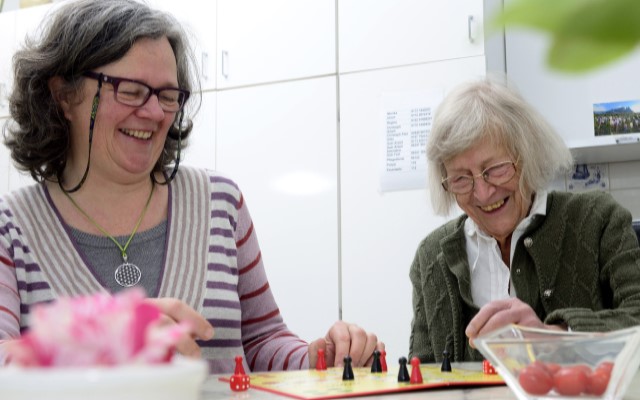
Image Credit: © Gerhard Seybert
|
||
|
||
|
A Scottish government marketing campaign to address stigma around dementia has been found by an independent evaluation to have exceeded almost all its objectives.
The Rethink Dementia campaign set out to change the public’s perceptions of people living with dementia and reinforce the role loved ones and communities play in helping those living with the condition stay well for longer.
The initial rollout saw advertisements run across TV, radio, newspapers and news sites, and social media, as well as on posters and billboards across Scotland, between September and October 2024.
A review of this first burst of the campaign says it has laid a ‘strong foundation’ for future work.
After seeing the campaign, the majority of Scots surveyed ‘realised that people with dementia can live well after diagnosis’ and said they understood better what they can do to help.
The review also found nearly three quarters of those who saw the advertising reported they took meaningful action, such as reaching out to someone living with dementia or a carer – far exceeding the target.
This was even higher among ‘campaign recognisers’ with current or past experience of dementia, with 82% of this group taking a relevant action.
A Scottish government spokesperson told healthandcare.scot that it will carry forward insights from the campaign into its wider efforts to support people to live well with dementia:
“Our Rethink Dementia campaign, launched in partnership with COSLA, is part of our long-term strategy focused on addressing the stigma that affects people with dementia.
“We welcome the findings of the evaluation which show over 70% of people engaged with the campaign and committed to supporting those in their lives with dementia.”
The Rethink Dementia campaign was developed in partnership with members from the National Dementia Lived Experience Panel, which includes both people living with dementia and people who have cared for someone with the condition.
A member of the Panel said:
“The best feedback I have had has been people saying, “oh, we never knew that, you know, just going for a cup of tea would make a difference”.
“So, I think it really helped. It's helped a lot of people to recognise that it's the small things that can make the biggest difference for people living with dementia and I have had an awful lot of feedback.
“I’ve had former pupils phoning me and coming to the door, because they've seen a newspaper or heard the radio or whatever.”
While the review found the campaign met four of its five target, it found the first phase failed to significantly increase the proportion of Scots agreeing that helping people with dementia stay connected and socially active can help them stay well for longer.
The authors highlighted that changing ‘entrenched attitudes and beliefs’ around people with dementia and their ability to continue in the activities they did before diagnosis will take time.
They said there is a ‘continued need for sustained campaign efforts’ to shift long-held views.
The review comes after Alzheimer Scotland and the CEO of Brain+, which provides non-drug dementia treatment, urged the Scottish government to take action to deliver dementia ambitions.
The marketing campaign is one of seven commitments made by the Scottish government in its 2024-2026 plan to realise the vision for change set out in Scotland's dementia strategy.
Others include identifying gaps in the workforce supporting people with dementia and launching an independent evaluation of Scotland’s post-diagnostic support policy and delivery.
The government says all its commitments are on track to be delivered by 2026.
A Scottish government spokesperson said:
“By raising awareness of what people can do, rather than what they can’t do, we are challenging the commonly-held preconceptions about dementia.
“We will review the findings and the campaign’s impact, as we take forward further activity on the Dementia Strategy’s delivery.”
Read more: “Get ready now” for advances in dementia care; Holyrood ADHD and autism inquiry launched; Action needed on women’s brain health; Less than full-time – behind the NHS trend; National shift needed for dementia; New outdoor brain health centre; Depression linked to poorer physical health outcomes; Doctors invited to shape medical workforce reforms; Dementia rise estimate should be “wake up call”; NHS Fife embracing music therapy
Sign up to our bulletin for key health & social care updates straight to your inbox. |