|
Urgent plea to safeguard advocacy amid local cuts |
Related newsDrug harms on the rise in Scotland Health and charity leaders join forces for NHS reform Call for ‘urgent’ review of ADHD and autism services Pharmacy’s road to stigma-free drug dependency care Dementia campaign success to inform government actions Doctors say GP funding boost “just the start” Scientists to help cut NHS medical device waste Edinburgh IJB faces judicial review over cuts Scotland’s new Chief Nurse appointed New gene study offers arthritis treatment insights New Edinburgh hub set to transform global healthcare Treatment-resistant cancer focus of new study 
|
|
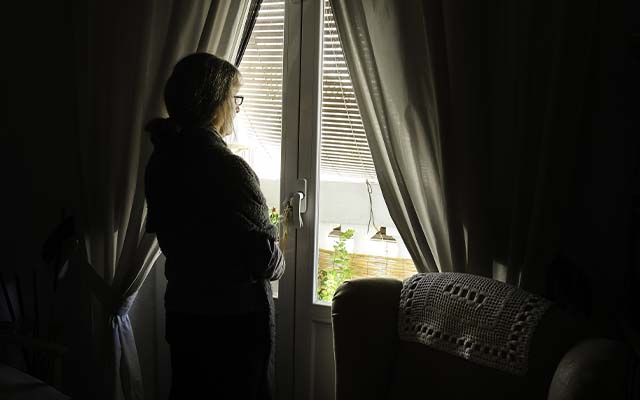
Image Credit: © Mercedes
|
||
|
||
|
Voices of Experience (VOX) Scotland and the Scottish Independent Advocacy Alliance have joined forces to lead calls for the Scottish government to safeguard collective advocacy services for people living with mental illness.
Advocacy services ensure a person who may face barriers to being heard are informed and are able to share their preferences and concerns when decisions about their care are being made.
However, patient representatives, mental health and human rights organisations and the UK Council for Psychotherapy have raised concerns over what they say is an ‘erosion’ of these vital local supports.
In the letter, the organisations request an urgent meeting with the Scottish government to discuss how advocacy services can be protected.
Signatories also include Human Rights Consortium Scotland and leading mental health charities See Me, Health in Mind and SAMH.
This comes as Edinburgh’s Integration Joint Board (IJBs) has released savings proposals which will see 82% of funding for local collective advocacy services cut.
Natalie Stevenson, VOX Scotland Manager, says the organisations fear this is “just the first of many” savings decisions which will negatively impact advocacy services across Scotland:
“This is particularly concerning given that both Scottish government and Mental Welfare Commission guidance references the importance of both individual and collective advocacy, people should have a choice about what kind of independent advocacy is right for them.
“What we are seeing in practice, however, is the erosion of services at a local level and a worrying rhetoric that collective advocacy is not valued as a support for people who face significant stigma and discrimination in our society.”
Last month, Scotland’s representative body for psychiatrists declared the nation is facing a “mental health emergency” amid increasing service demand and a shrinking workforce.
Figures from Scotland’s Census show people living with mental health conditions has risen from 4.4% in 2011 to 11.3% in 2022.
Meanwhile, the Mental Welfare Commission has revealed “unacceptable” levels of compulsory detentions for people experiencing mental ill health, and the highest number of welfare guardianships ever recorded.
Now, the organisations calling for government intervention to safeguard collective advocacy emphasise that advocacy services are struggling to meet demand, while the number of Scots reporting mental health conditions is on the rise.
In the letter, the organisations write that there is an ‘alarming’ disconnect between the Scottish government’s policy ambitions and implementation:
‘We know we need well-funded advocacy services to deliver core mental health standards and yet the reality on the ground is that these are being lost.’
They add that the government is failing to recognise the ‘excellent value’ of spending in this area, as a 2025 Social Finance report shows every £1 spent on independent advocacy services brings savings of approximately £7 to the NHS and £5 to local authorities.
Suzanne Swinton, Scottish Independent Advocacy Alliance CEO, says the proposals to cut independent advocacy as part of savings plans are “financially shortsighted”, adding:
“Collective advocacy is rights enabling and empowers people experiencing significant barriers to have their voices heard and participate meaningfully in decisions affecting their lives.
“Without it, there will be reduced accountability mechanisms embedded to ensure the voice of lived and living expertise within the system.
“We are calling on the government ministers with responsibility for health to meet with us at the earliest opportunity to explore ways of ensuring people across Scotland can access the independent advocacy to which they are entitled and to engage with all IJBs to consider how collective and individual advocacy services are supported at a local level.”
A Scottish government spokesperson told healthandcare.scot that decisions on how to best deliver local or community services are for IJBs and councils to make:
“It is not appropriate for the Scottish government to intervene in local decision-making, but we expect any proposed changes in services to be done in full consultation with those affected.”
Read more: Anonymous spaces improve mental health and recovery; ‘Big leaps’ needed to secure change for disabled people; Mental health review: Expand MWC scope; Scotland’s ‘invisible’ patients and carers; Role of Mental Health Officers ‘critical’; A ‘dispiriting picture’: human rights in prisons; Growing health concerns for Scotland’s unpaid carers; Staff shortage concerns in MWC reviews; Unmet need in Scotland’s drug crisis
Sign up to our bulletin for key health & social care updates straight to your inbox. |