|
Clinicians: who will deliver extra appointments? |
Related newsCall for ‘urgent’ review of ADHD and autism services Scotland to work with UK on Physician Associate reform Holyrood ADHD and autism inquiry launched Health and charity leaders join forces for NHS reform NHS doctors unemployment crisis despite understaffing First Minster pledges people will see GP sooner 
|
|

Image Credit: © Monika Wisniewska
|
||
|
||
|
Doctors and nurses are calling for investment and workforce planning from the Scottish government if ministers are to deliver the additional 100,000 GP appointments announced by the First Minister yesterday – saying there currently isn’t the workforce capacity to deliver the commitment.
Fist Minister John Swinney promised a shift in NHS spending to GP and community care as part of the programme for government.
He said the extra 100,000 GP appointments will focus on key risk factors of high blood pressure, cholesterol, obesity and smoking, likely through the GP heart disease prevention scheme.
In response, health leaders are calling for clear implementation and workforce planning, as well as increased direct investment to deliver for patients and staff.
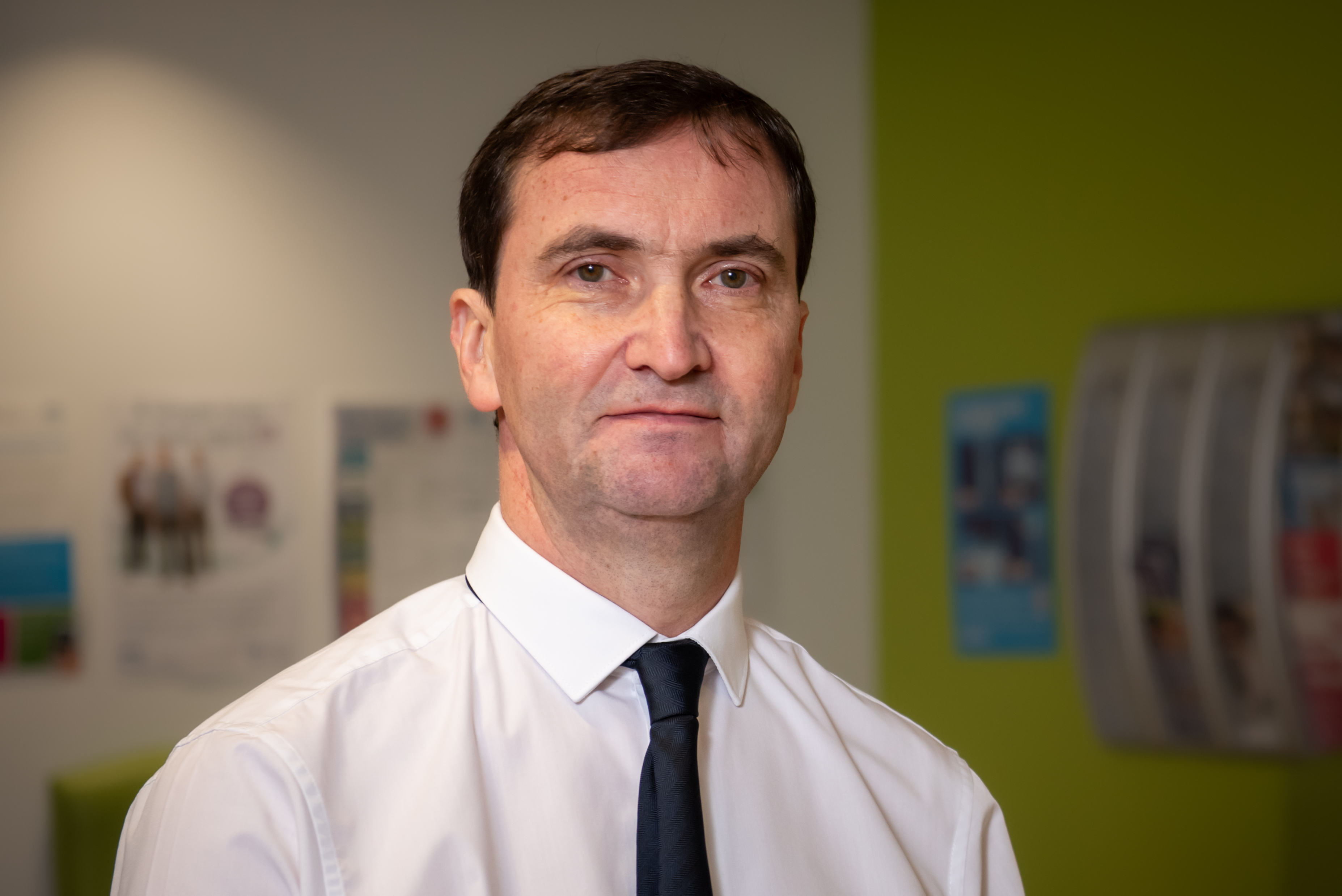
Dr Chris Provan, Chair of the Royal College of General Practitioners (RCGP) Scotland, emphasised that significant workforce challenges including a growing patient list and “shrinking” budget must be addressed:
“General practice is the solution to the NHS crisis, and GPs and patients will welcome the attention on strengthening general practice in the Programme for Government.
“GPs are as frustrated as their patients are when there are challenges with access to appointments. However, it is the significant workload and workforce challenges that are the major barrier to good access.
“RCGP Scotland will work with the Scottish government to understand how it intends to support practices to deliver this commitment.
“Ultimately, the way to improve access to GP appointments is to increase the number of GPs, and we have concerns with promises around patient appointment access because we simply don't have the workforce capacity to deliver it.”
Meanwhile the Royal College of Nursing Scotland says the government’s commitment to ‘protecting, strengthening and renewing’ the NHS, cannot be achieved without leadership, investment and effective workforce planning.
To deliver on the promises made, RCN Scotland Director Colin Poolman said, the government must now grow the nursing workforce, learning from the college’s latest report:
“In setting out its programme for government, the Scottish government must recognise the key role that health and social care staff will play in service reform and commit to implementing the recommendations from the Nursing and Midwifery Taskforce.
“Delivering and supporting a sustainable nursing workforce will be key to delivering improvements and shifting the balance of care.
“Our recommendations reflect the need for the Scottish government to follow through on its existing commitments and to take the action to allow the nursing profession to grow, develop and maximise its contribution to the health and wellbeing of the nation.”
The report reveals that while the gap between planned staffing and actual staffing has reduced, at no point has NHS Scotland employed the nursing staff needed to deliver safe and effective care.
It emphasises that while NHS Scotland staff numbers have risen, so have levels of absence, while agency and bank use remain at unsustainable levels.
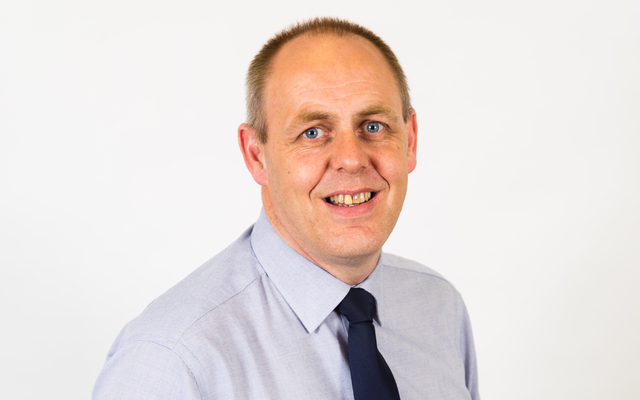
Dr Iain Morrison, BMA Scotland Chair said direct investment is the “only way” to stabilise general practice and the 100,000 appointments are a “drop in the ocean” considering GPs offer 650,000 appointments every week.
The failure to address the £290m funding facing general practice that would allow the NHS employ the GPs necessary to meet the number of patients waiting is “deeply worrying”, he said.
Dr Morrison added placing GP access at the heart of programme for government without directed additional funding leaves staffing feeling “rhetoric is failing to match reality”:
“There seems to be no difficulty building up expectations that access to GPs will improve, but the solutions do not seem to be as easily forthcoming, which will leave GPs deeply frustrated.
“To be absolutely clear, making this kind of direct investment is the only way that we can stabilise general practice.
“We are also prioritising hardly reached patients who do not often use services and screening for CVD will do very little to reduce the acute demand for on-the-day appointments which drives the challenge some patients face in accessing GP appointments.
“We have set out a clear ask of the Scottish government in our call for full funding restoration for GPs. Above and beyond that, we need the share of the overall NHS budget that comes to GPs to increase from the ridiculously low 6.2%, ultimately to 15%.
“That’s not just new money in PfG, but the total NHS budget. Taking these steps could long-term return GP services to something that we can be proud of, rather than something those of us in surgeries across Scotland have to keep apologising for.”
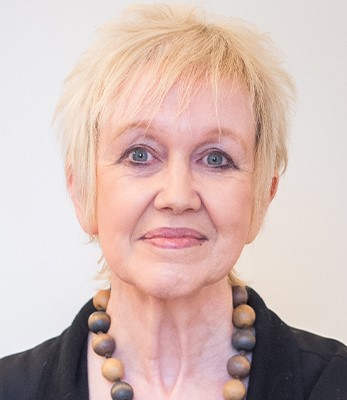
Meanwhile, chair of the Royal College of Psychiatrists in Scotland Dr Jane Morris said the government must recognise the scale of Scotland’s mental health emergency and deliver “bold and decisive actions”.
Dr Morris said workforce planning and investment must extend to menta health services:
“Yet again, we’re disappointed to see that mental health has not been prioritised in the current programme for government.
“Appropriate resourcing including a sustainable workforce must be prioritised, alongside addressing the unprecedented rise in need for support for neurodevelopmental conditions – for which there is currently no national approach.”
Health secretary Neil Gray told parliament yesterday that engagement with staff across the primary care sector will be “absolutely fundamental” to the future success and sustainability of health services.
Today, RCN Scotland members meet with key politicians and senior nurse leaders to discuss the current challenges facing health services and the key role of nursing in addressing these.
Read more: Government failing to meet GP promises, says watchdog; Researchers: policy needed for patient ‘missingness'; Nursing report spotlights burnout and discrimination; GPs in ‘moral distress’ over drug shortage crisis; NHS is not a ‘political football’, warns BMA; Labour: We’ll fix the NHS, starting with GPs
|