|
Insight: Sustaining standards under pressure |
Related newsLess than full-time – behind the NHS trend Health and charity leaders join forces for NHS reform ‘Bleak picture’: health leaders react to NHS review Doctors say GP funding boost “just the start” Government to merge two national NHS boards Probe into future of NHS Scotland’s doctors underway 
|
|
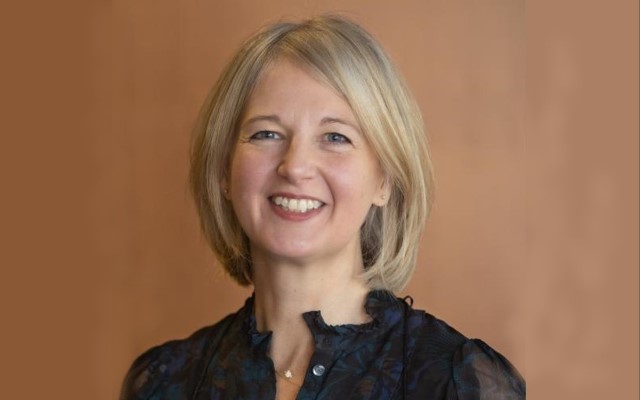
Professor Emma Watson, Executive Medical Director for NES
|
||
|
||
|
Despite unprecedented pressures, Scotland's trainee doctors and dentists – in common with every regulated profession – are required to meet and maintain the highest standards. By far the biggest proportion of their learning takes place when they are at work seeing patients, often supported by peers and more experienced colleagues. The challenge is to make sure the current workload does not get in the way of keeping up to date with latest ways of delivering medicine.
NHS Education for Scotland (NES) is the statutory organisation overseeing education, training and skills development across the NHS in Scotland.
Executive Medical Director for NES, Professor Emma Watson leads the work of the NES Medical Directorate, focused on doctors and dentists. She has shared with healthandcare.scot the continued commitment to delivering quality medical education in Scotland.
Every doctor in the UK is regulated by the General Medical Council (GMC), and their dental counterparts by the General Dental Council. Both bodies set the expectations for those registered with them: their initial training and the standards expected to retain their registration.
Professor Watson says postgraduate medical education is about far more than meeting the expectations of regulators:
“What the regulator says is that we must remain educated and competent in whatever our scope of practice is, because that's absolutely critical, first and foremost, to patient safety.
“It’s really difficult to describe exactly what that will mean for each individual but the GMC document Good Medical Practice says to each doctor that it is our role as a regulated professional to have patients as our main concern and ensure everything we do is safe and with the best interest of the patient at heart. Everything then flows from that.”
NES works alongside other NHS boards, professional bodies and universities to train doctors and dentists to be the senior clinicians of the future.
Professor Watson says delivery depends on all these bodies working together:
“We are the statutory education body and our role is to quality assure their learning environments – that is who is educating and what they're educating to within training programmes. And then we have the Royal Colleges, they set the curricula, and then we have universities that deliver not just undergraduate medical training, but also some postgraduate medical courses. Where we commission these courses, we also quality-assure them.
“For those people wanting to take the road to becoming consultants or independent GPs, they will need a Certificate of Completion of Training (CCT). Supporting that progression is fundamental to our remit.”
Professor Watson describes a learning environment that centres on the clinic, the operating theatre or consultation room rather than a classroom.
A trainee will learn from their peers and more senior colleagues – doctors and other members of their multidisciplinary team. One of these consultants may be that doctor’s supervising clinician looking after them day to day.
Beyond these roles are ones where people are recognised by the GMC as educational trainers:
“Some senior clinicians have a formal role as clinical supervisor. They spend time providing training to each trainee. In turn, they work with educational supervisors. These have a more holistic view, give feedback on areas for development and help each trainee map their learning objectives and development plan. Then there is oversight from local or regional training programme directors who work with associate postgraduate deans within my team here at NES.”
The pandemic led to some training moving online. Professor Watson says the onus on NES is to be able to deliver or oversee training in the best ways for different people. She says this is essential forboth those who choose what she calls the clearly signposted ‘motorway’, focusing on becoming a consultant in their chosen field, and those that choose a ‘scenic route’, taking a longer and less direct path.
“The current workload pressures have made it challenging for us and the territorial health boards as the local education providers,” says Professor Watson.
She continues that NES is embracing variation in teaching and train to support NHS colleagues and students:
“We are always looking at different ways to teach, different ways to acquire new skills. So, we have invested in simulation, in clinical skills centres, in remote learning and online learning.
“When things are busy then, yes, maybe our didactic education [a teacher directly teaching a student] needs to take a back seat for a while. But remember, for every doctor some of the learning is by doing. And if we're delivering high quality care to patients, then we're learning in a high-quality environment and being supported to deliver the safest care with kindness and compassion.”
Professor Watson adds that continuing to value good medical education and Scotland’s educators is essential going forward:
“There is a real professional ethos underpinning medical education delivery in Scotland that is enviable. The challenge for us is maintaining and nurturing those educators and not taking medical education for granted and not taking educators for granted.”
Read more: Scotland’s first postgrad medical degree "on track"; Insight: Creating tomorrow’s digital leaders; Scotland’s medical training places to increase;
Sign up to our bulletin for key health & social care updates straight to your inbox and you can follow healthandcare.scot on Google News.
|
