|
Opinion: The case for care home research |
Related newsEnhancing independent living with robotics Dementia home care tech collab invites partners 40 years of disability with attitude Using VR to understand lived experience of dementia Exercise key to combatting frailty epidemic Glasgow hosts global care gathering NHS staff say data vital to improving care FM commits to £12 an hour for care staff Briefing: Cabinet Secretary plans for health and care Insight: The health benefits of being able to work Watchdogs: Scotland’s IJBs face £124m gap 
|
|
Image Credit: © WavebreakmediaMicro
|
||
|
||
|
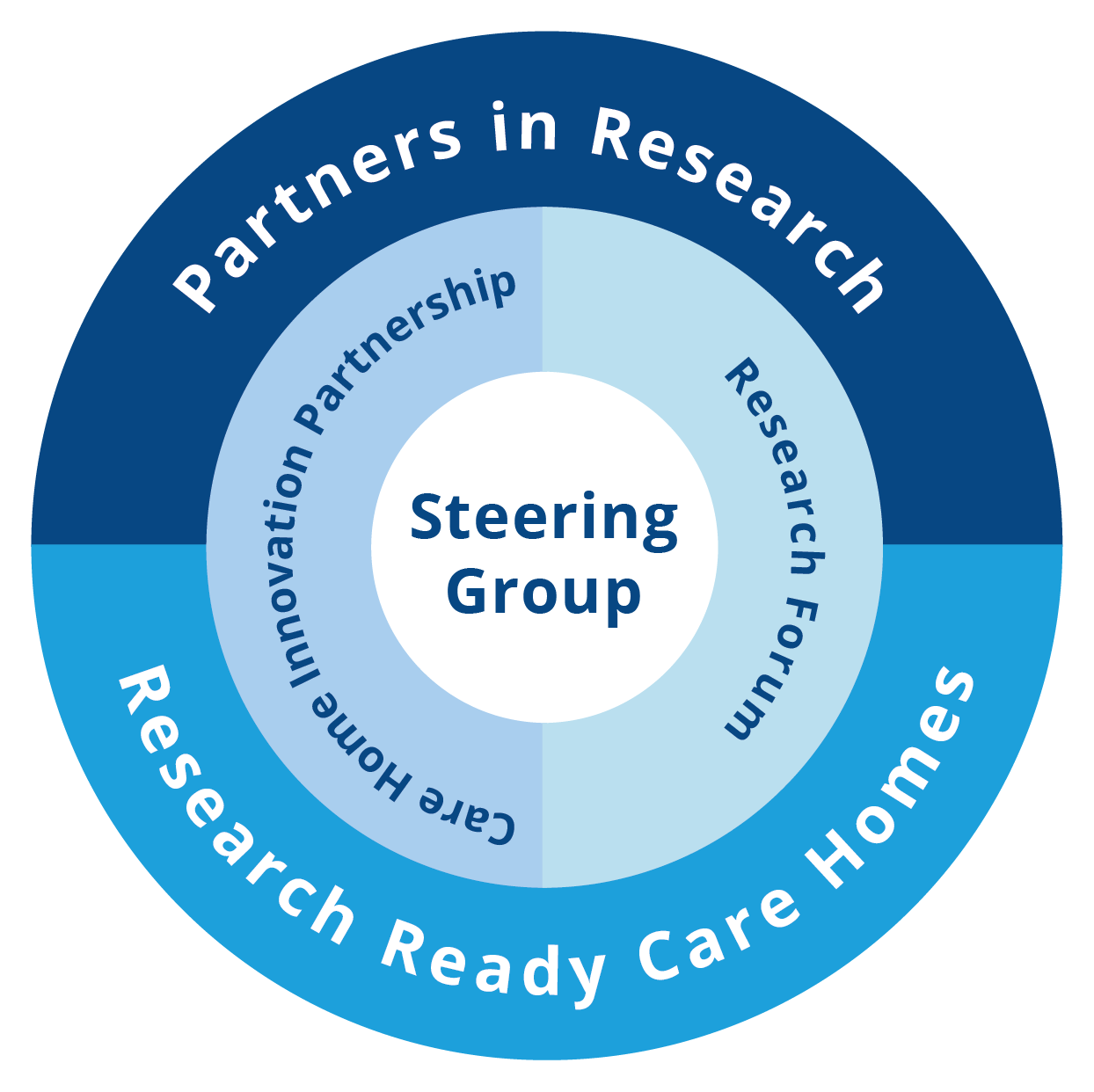
A research forum, Enabling Research in Care Homes (ENRICH) Scotland, looks to improve inclusion and representation of care home residents in research and strengthen research around quality of life, treatment and care across Scotland.
Here, as one of the lived experience contributors supported by the programme, Martin Robertson introduces some of the current key themes being explored by ENRICH Scotland and addresses potential barriers to progress.
The first thing you probably think when you see the title is to say that ‘research in care homes’ is impossible for many reasons. Well it isn’t, and I want to explain why in this article. I will briefly give the official information regarding ENRICH Scotland, and then give my personal opinion on the work of the ENRICH Scotland team.
ENRICH Scotland is the official NHS group looking into research in care homes. It consists of dedicated staff, covering each health board region of Scotland, working with local care homes to become ‘research ready’.
Thanks to dedicated funding from Chief Scientist Office, ENRICH Scotland has expanded and a ‘patient and public involvement’ group known as RICH (Research In Care Homes) Voices has been created. They are just starting out, with around 12 active members signed up. People living or working in care homes, as well as family members, professionals and interested members of the public are all welcome to join RICH Voices and decide what activities they would like to be part of. (Sign up form here).
One activity that the group is working on is the co-creation of a podcast about research in care homes. They currently have two people with lived experience working with them; myself with dementia and an ex-carer of a loved one who had dementia and lived in a care home. We are in the process of recording four podcasts around this research.
The first is called “Setting the scene-Care Home Research”, the second “Benefits and Impacts of Research.” For the third episode “Challenges and How to Overcome Them” RICH Voices will discuss barriers to research and what can be done to move through these. The fourth episode will be “Future Directions for Care Home Research”. People living and working in care homes as well as researchers have been invited to share their views.
Now for my thoughts on the research.
Most people will be able to think of several problems around this research: staff availability and time constraints, and the varying ability of residents to participate. There is also a feeling that there is no point in care home research, both in that research is expected to be done in the community before trying in a care home setting or a feeling of hopelessness in its ability to influence policy and practice.
To deal with each in turn: yes staff time is very limited, however if one watches the staff in any care setting for long enough, they will realise who appears able and willing to go the extra mile for the residents. The ones that go the extra mile are likely, by their nature, more amenable to new ideas and ready to try engaging with researchers.
Communication Challenges
Another large potential barrier is the different degrees to which care residents themselves will be able or want to engage with research and discuss their experiences. For example, people may experience cognitive or language difficulties such as aphasia. By the time most people enter residential care, they may be unable to do everything they used to.
However, with innovative methods such as “Talking Mats”(a visual communication tool), communication can be easy and in depth conversations can be had; and those who are fully trained can maximise the benefits..
Also, residents will be able to communicate using their body language. This last point is very important for myself, as I am beginning to show signs of aphasia with my vocal language. I will almost certainly be in a care home with most of my cognitive functions still intact (I have a very high cognitive reserve, IQ tested last year, six years after diagnosis, and it was still 120). However, my behaviour will change for the worse first. I intend to be able to carry on research whilst in a care home; I loathe TV and need to keep my brain stimulated. For me, conducting and participating in research is catnip to the brain.
One downside to having residents involved in research is that they may not be so compliant in following research activities, it is very individual. In my case, I would expect pharmaceutical intervention would be needed if my brain was not being kept busy.
The point of research in care homes is two-fold; firstly new ideas can be developed with the assistance of residents and also co-research is beneficial to both parties.
While I don’t have space to discuss that here, however, I am co-producing an academic paper on this.
I hope that this article has started some care home workers to think about research; if so please contact ENRICH Scotland on tay.enrichscotland@nhs.scot or RICH Voices on tay.ppipartners@nhs.scot.
Read more: Voices of experience key to dementia care; Can Scotland make health fairer?; Large scale Scots health study calls for volunteers; Music's potential to help with dementia
Sign up to our bulletin for key health & social care updates straight to your inbox and you can follow healthandcare.scot on Google News. |