|
Thousands monitoring blood pressure from home |
Related newsNavigating ‘next frontier’ of AI in medical devices Patient and Public Involvement 2027 showcase Accelerating digital innovation in social care Glasgow A&E introduces digital triage check-in Webinar: The healthcare ecosystem for innovators How we are rethinking R&D in NHS Grampian 
|
|
|
||
|
||
|
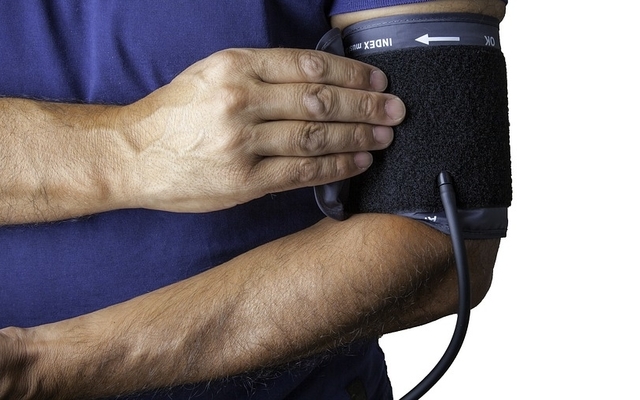
The newest iteration of a remote blood pressure monitoring scheme is improving the way people in Scotland are checking on their health – with its predecessor already thought to have saved nearly 100,000 GP appointments across Scotland.
Prior to the pandemic, 1.2 million appointments a year were made in Scotland’s GP surgeries just for checking blood pressure – the second most common reason for seeing a GP.
Uncontrolled blood pressure – also known as hypertension – is the biggest cause of stroke and one of the biggest contributors to heart disease and dementia.
This week’s Digital Health and Care conference heard that a nationally-funded telemonitoring system is revolutionising the way patients manage hypertension, with almost universal positive feedback.
While remote monitoring of hypertension has been in place in Scotland for a number of years, digital inclusion barriers arose as a concern in a final evaluation of the Scale Up BP trial published earlier this year.
The Connect Me digital hypertension pathway is the next iteration of remote monitoring for hypertension, currently being piloted in NHS Highlands and NHS Lanarkshire.
The flagship system – which is part of Connect Me, a thread of the Scottish government’s Technology Enabled Care (TEC) programme – allows patients to record their blood pressure at home, and input the readings through a mobile app, text message or automated phone line.
Professor Brian McKinstry, a GP and professor of primary care eHealth at the University of Edinburgh, told conference attendees that this approach is remedying digital exclusion concerns raised in the previous trial:
“We think systems are combatting digital exclusion with our devices. You don’t even need a mobile phone to use the service.
“However it’s important for inclusion that services are willing to give them the equipment they need – in this case, a blood pressure machine.”
While the new pathway is available to all health boards, supported national roll out is already underway for early adopters including NHS Greater Glasgow and Clyde, NHS Ayrshire and Arran and NHS Lothian.
Other areas are scheduled for a supported implementation by March 2023 as set out in the Scottish government’s digital health and care delivery plan.
Professor McKinstry said the Scale Up BP programme, in place between 2019 and September 2021, had seen appointments booked for blood pressure measurement cut by a quarter.
Close to 100,000 GP appointments are now thought to have been saved thanks to the initiative, he said.
Around 45,000 people across Scotland had enrolled in the programme by its final evaluation, with almost 60% of GP practices in the partner areas signed up – far surpassing pre-covid expectations.
The final evaluation of the trial found patients were more in control of their blood pressure and that staff were engaged with the programme, despite having limited time to introduce new ways of working and restrictions around the software used.
The new Connect Me pathway uses software that integrates with existing clinical practices and electronic records, meaning minimal impact on GP staff’s workload.
Nicola Robinson, data lead with Connect Me, told conference attendees that the framework is currently being developed for other conditions, as part of the Scottish government’s commitment within its Digital Health and Care Strategy to scale up work on remote monitoring of long-term conditions.
Other pathways currently at pilot stage include asthma, Chronic Obstructive Pulmonary Disease (COPD), Irritable Bowel Syndrome (IBS) and heart disease self-management pathways, a long-term condition primary care annual review pathway and a Prostate Cancer pathway to notify results of routine blood tests.
The evaluation of the pilot phases will inform decisions on which ones to roll-out next.
Read more: "Bold step" for pharmacy; NHS Scotland forms landmark partnership; Edinburgh and the quest to make blood
Sign up to our bulletin for key health & social care updates straight to your inbox and you can follow healthandcare.scot on Google News. Tags: Tech And Digital. |
