|
Budget: Major increase in social care spending |
Related newsSDS in practice ‘contradicts its aims’ A timeline of Scotland’s National Care Service Social care workers “betrayed” by cut funding ALLIANCE: Third sector can’t be taken for granted Scotland’s health and social care secretary resigns Economic benefits of NCS still unclear 
|
|
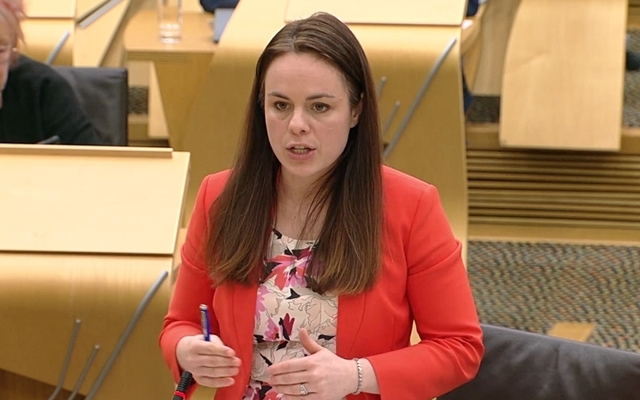
Finance secretary Kate Forbes
|
||
|
||
|
Social care has emerged as the big winner in the 2022-23 Scottish budget unveiled today by finance secretary Kate Forbes, including millions to fund a pay rise for care workers.
Total funding for the wider health and social care portfolio is to rise to more than £18bn, including a 5.6% cash increase for NHS regional boards.
Health service spending has been bolstered by Barnett consequentials from NHS spending in England and a Scottish government pledge to increase frontline spending by £2.5bn over the next five years.
The announcements would see health and social care take up around 38% of total Scottish government spending.
At the centre of Ms Forbes’ speech was a promise to fund a pay rise for care staff, up from the current level of £10.02 an hour that was announced earlier this year. The existing rate has been criticised for not being high enough to retain staff in the sector.
The finance secretary said: “The transfer to local government for social care includes an additional £200m, which will deliver the £10.50 minimum wage for social care staff and support the recruitment and retention of care staff that are so vital to the health and care system, as we begin the process of creating a new National Care Service over the course of this Parliament.”
The announcement comes after months of concerns about a staffing crisis in care, driven by rising wages in competing sectors.
Social care accounted for the single biggest increase in the portfolio and funding will rise from slightly less than £400m to more than £1.1bn.
This includes £830m for increasing wages and uprating payments for free personal and nursing care, according to government documents, as well as £165m in new money for the creation of a National Care Service.
Questions will now turn to the distribution of the funding, with some care providers reportedly still waiting to receive cash from a pay increase announced in October.
Workforce and nursing received a boost, with an increase of 27% from last year with national vacancies in the health service at an all-time high.
The budget allocated for GP services is to increase by 3.2%, just under estimates of inflation for 2021-2022. However the Scottish government is to increase funding for the implementation of the GP contract – which is facing increasing opposition from doctors – by £12.5m, or 5%.
The Scottish government also restated a promise to spend 50% of frontline NHS funding on community health services, though analysis by Scottish Parliament researchers has suggested the proportion going to non-hospital services remained unchanged on around 45% in the years leading up to pandemic.
Mental health spending is protected, with a £120m renewal and recovery plan alongside increased cash for service improvements.
NHS capital funding is increasing to £554m, to cover investment in the new network of national treatment centres.
Opposition party MSPs criticised the care pay increase as insufficient and suggested it would not address recruitment and retention challenges.
Labour’s Jackie Bailie, who called for a £12-an-hour wage, said: “There is a huge and growing workforce crisis in social care because of endemic low pay and that has a direct impact on the crisis currently in the NHS. In that context an increase of 48p is derisory for the work that social care workers do.”
Read more: Budget: “Challenging” outlook for NHS & social care; ‘Rhetoric-reality’ gap on National Care Service; Social care: Living Wage should be "floor not ceiling"
Sign up to our bulletin for key health & social care updates straight to your inbox. |
