|
“Game-changer” Hep C treatment blueprint launched |
Related newsInsight: ‘Weight of my Hep c stigma was lifted’ Global recognition for Tayside hepatitis programme Calls for help soar as addiction services ‘invisible’ World-first for Tayside in ‘eliminating’ hepatitis C Stress key factor in Scots lockdown drinking rise Record number of Scots quit smoking amid virus fears Greener NHS research funding boost NHS Tayside welcomes largest intake of doctors Mental health book: Molly and Mr Monkey Shocking levels of violence towards NHS staff NHS Scotland relying on older diagnostic kit Scotland’s frailty services to help address NHS waits 
|
|

|
||
|
||
|
A new guide on how to get hepatitis C treatment to people who inject drugs has been hailed by a leading addiction charity in Scotland and lauded by scientists as a “game-changer”.
Scottish Drugs Forum CEO David Liddell described it as an “assertive, responsive and inclusive approach” to hepatitis C testing and treatment.
The scientists behind the new guide – pioneered in Tayside ahead of being extended to the rest of the country – hope it will bring the world a step closer to eliminating the virus.
Key recommendations include introducing a nurse-led community service for hepatitis C testing and treatment, recruiting peer workers who know the local drug culture and creating closer ties between existing community services for people who inject drugs.
Researchers say the ideal model would be to house all these services in one building but, where this is not possible, the links between these services need to be strengthened including through using data better and sharing roles and post-treatment care and support.
The guide comes after a successful three-year trial in NHS Tayside that has gained international recognition, and is the result of collaboration between Glasgow Caledonian University (GCU) and the University of Bristol, as well as NHS Tayside and the Scottish Drugs Forum (SDF).
Testing and treatment to prevent re-infection are a key part of any ongoing support and the guide authors hope it will be rolled out across the UK and around the world.
In 2019 the Scottish government committed to effectively eliminate hepatitis C by 2024 by increasing the number of people treated for the potentially fatal blood-borne virus to at least 2,500 in 2019-20 and to at least 3,000 annually from 2020-21.
Commenting on the blueprint, Public Health Minister Maree Todd said: “These recommendations will be a valuable resource as we continue to work towards our target of eliminating Hepatitis C in Scotland by 2024.”
The hepatitis C virus (HCV) is a blood-borne disease that can seriously damage the liver and is spread mainly through blood-to-blood contact with an infected person. Despite Opioid Substitution Treatment and Needle Syringe Programmes, around 40% of people who inject drugs in the UK continue to be infected with hepatitis C.
The World Health Organization (WHO) has set an elimination target to reduce transmission by 80% and deaths by 65% by 2030. Researchers believe this new method of getting treatment to those who inject drugs will have a “major impact” on cutting incidence and death rates.
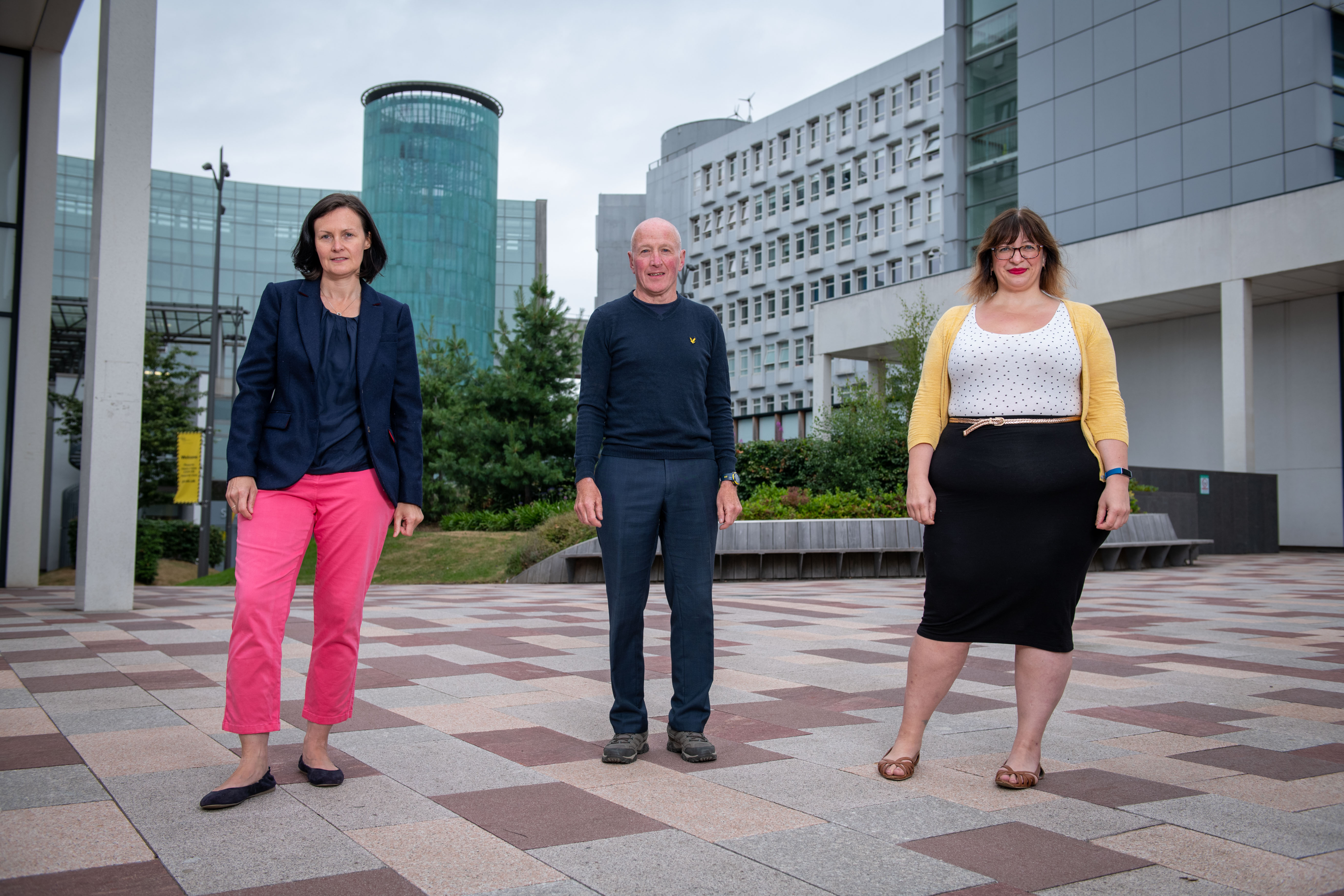
Lead GCU researchers behind the blueprint, Professor Lawrie Elliott, Dr Gabriele Vojt and Professor Paul Flowers, now at Strathclyde University, described the research as a “game changer” in the design of hepatitis C treatment programmes.
Professor Elliott added: “We know from previous research led by GCU that the treatment works but we have struggled to get this out to those who need it. These recommendations are a major breakthrough in getting treatment out to communities and will have a huge impact on virus elimination.”
EPIToPe study co-lead, GCU Professor of Epidemiology and Population Health Sharon Hutchinson, said: “The lessons learnt from the great strides made in NHS Tayside in tackling hepatitis C are captured in the set of recommendations. They have shown that it is feasible to deliver specialist nurse-led treatment across multiple community-based services engaged with people who inject drugs.
“The set of EPIToPe recommendations will help to guide other regions and countries in efforts to rapidly scale up hepatitis C treatment in this population, as is necessary to achieve the global WHO elimination targets.”
The study was co-led by Matt Hickman, Professor in Public Health and Epidemiology and co-Director of the NIHR Health Protection Research Unit in Behavioural Science and Evaluation at University of Bristol, and involved experts from the University of Dundee, Public Health Scotland, and NHS Bristol, North Somerset and South Gloucestershire, with the backing of drugs charities With You and The Hepatitis C Trust.
NHS Tayside Consultant Hepatologist and Gastroenterologist and University of Dundee Professor John Dillon said: “The goal of HCV elimination, removing the scourge of death and disease caused by HCV from our communities is within reach, but it needs coordinated action by all the players to achieve it. The recommendations are a useful tool to that end.”
Professor Hickman said scaling up hepatitis C testing and treatment in the community alongside harm reduction services will be “critical” to prevention in the UK and achieving elimination targets.
“This is a very useful blueprint with practical suggestions for services and commissioners on how scale-up can be done – based on the successful transformation of services in NHS Tayside,” he added.
SDF CEO David Liddell welcomed the blueprint: “This type of assertive, responsive and inclusive approach to hepatitis C testing and treatment will go a long way to helping Scotland meet its 2024 elimination target.
“The recommendations have given us an evidence base for actions around which a consensus can readily be built as they will be consistent with the experiences of stakeholders delivering services.”
Read more: Global recognition for Tayside hepatitis programme; World first for Tayside in ‘eliminating’ hepatitis C; Plan to eliminate hepatitis C in Scotland by 2024
Tags: Infectious disease; Substance Misuse. |