|
Learning disability support cuts leave families adrift |
Related newsGovernment ‘lacks urgency’ on care reforms FM candidates asked if they care about care Ministers launch ‘more to care’ campaign Podcast: Councils play key role in health and care Politicians told: “Carers cannot wait” 
|
|

Image: © Chansom Pantip
|
||
|
||
|
The widespread shutdown of support services during the pandemic left families who care for a relative with profound and multiple learning disabilities to fend for themselves, according to new research.
A major survey involving the University of Glasgow and shared with healthandcare.scot found nearly all of those responding had seen day services and community activities they rely on halted.
Now there are concerns further mental and physical health problems that have developed as people with learning disabilities were effectively confined to their homes could outlast the pandemic.
Professor Andrew Jahoda of the University of Glasgow, who is part of the research team behind the survey, told healthandcare.scot the loss of regular social contact was a particular issue for people with severe learning disabilities for whom social stimulation is key.
A third of respondents reported the health of the person they care for had declined during the pandemic.
Some families had been left with no other option but to place their child in residential care as they became unable to cope without their usual support services.
The Scottish government’s social care minister said day centres and respite services had been “encouraged” to re-open where it was safe to do so.
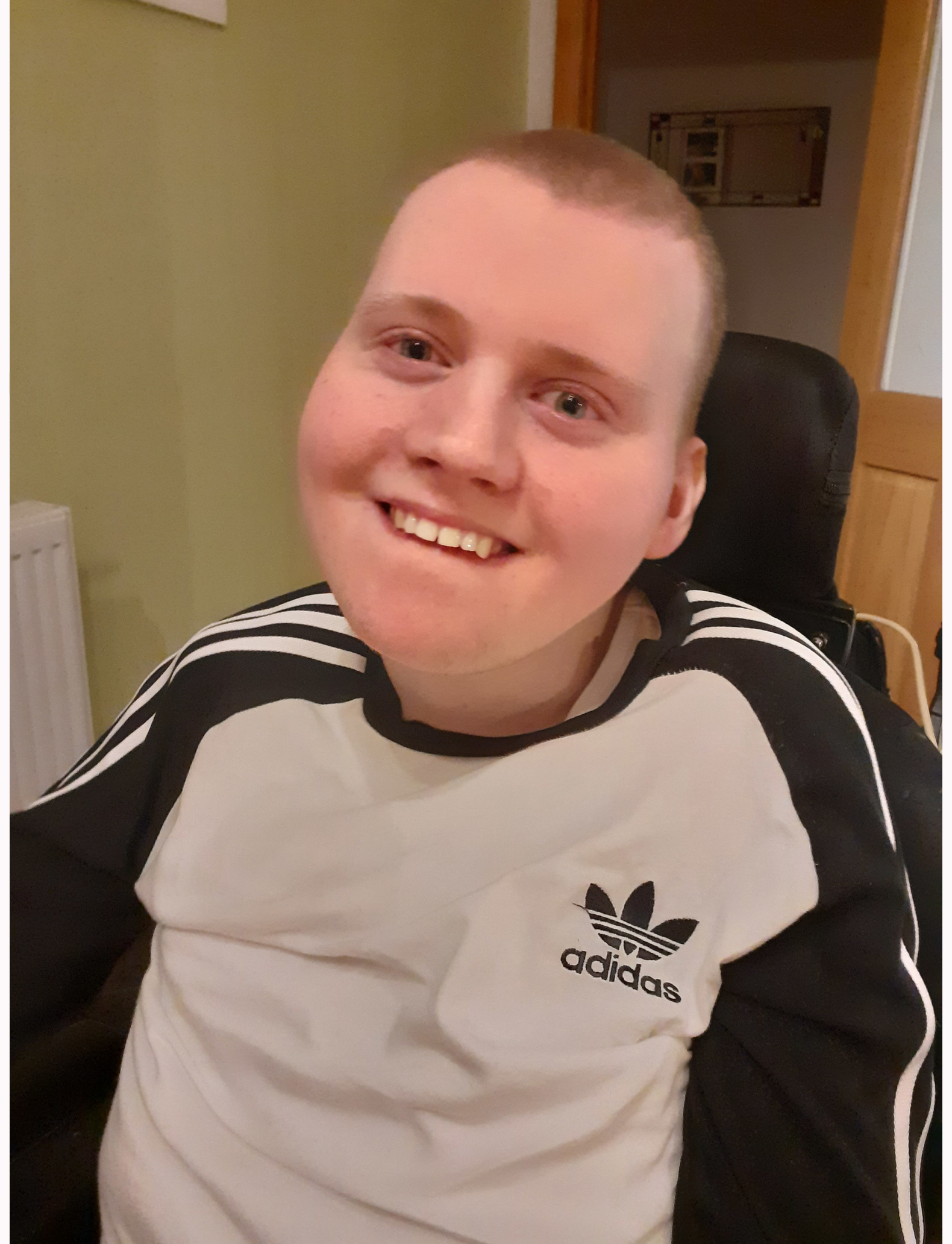
Dunfermline mum Sally Cox became a full-time carer for her 23-year-old son Ryan, who has profound and multiple learning disabilities (PMLD), when his usual five days a week of support at a day centre stopped.
“[Ryan] just loved his life, he loved what he did. He loved being around people, that was what he thrived on,” Sally said.
She worries that the loss of regular social contact will have a long-lasting effect on Ryan.
“The decline has just been incredible, to the point where he’s just not responding to anything.
“Somebody deems it acceptable that Ryan’s been in his own house for 16 months, with the same four walls, and that’s it – they seem to think that’s OK.”
The effects of these changes are being investigated by the study looking at the lives of people with learning disabilities across the UK during the pandemic.
In Scotland 159 adults with learning disabilities have been interviewed, as well as more than 100 relatives or staff supporting people with more severe or profound learning disabilities.
Professor Jahoda, the Scotland lead for the project, said people in the latter group were more likely to need stimulation to maintain their skills and wellbeing, as well as having higher health needs.
“If you lose day services and the opportunity to meet other people, and you’re already living quite a socially marginalised existence, that’s likely to have a more telling impact on your wellbeing,” he said.
Findings from the first wave of the research, which have been shared with healthandcare.scot, found more than a third of family carers or support staff said the physical health of the person they care for had worsened since the pandemic started, while half had missed their usual yearly health checks.
The survey reveals widespread disruption to day centres and support services. Every carer in the group supporting those with more severe learning disabilities said they had less support than before.
Scotland’s Mental Wellbeing and Social Care Minister Kevin Stewart told healthandcare.scot the government is “committed” to improving the health of people with learning disabilities, and said the extra support had been put in place for family carers.
“We also prioritised unpaid carers for vaccination and encouraged the reopening of day-care centres and respite services as soon as it was safe to do so,” he said.
Despite Scotland moving to level zero restrictions, Sally says Ryan’s day centre has only just reopened – and for two days a week, down from the five days a week before the pandemic.
Officially, day centres have been able to reopen under ‘level three’ guidance, which was in place before Christmas and came in again for most of the country in April – but there have been claims of “mixed messaging” and confusion over guidance as the government says decisions should be made locally.
Last month the Social Care Minister wrote to local authorities saying health and care partnerships needed to ensure sign-off arrangements are well-understood to “prevent any further delays in re-opening”.
Maureen McClelland is the Fife Family Support Director for PAMIS, a charity working with people with PMLD, their families, carers and the professionals that support them.
She says day services are only just reopening – and the loss of these social networks during the pandemic has had a “major impact” on the mental and physical health of people with profound and multiple learning disabilities.
“A lot of our families use what we would call building-based community services. So, people go into a building, but go out about in their community, they’ll do activities, music, use things like the adapted bikes, they might have some sort of group activities out in the park.
“These centres have been closed in lockdown, and that’s since last March. There’s been some variation across the country, [but] certainly where I am in Fife, some of them are reopening only now, but on a vastly reduced basis.”
There has also been a knock-on effect on families who have been left to pick up the slack with no chance to take time off, says Ms McClelland:
“The other thing that has happened is the respite units for children and for adults have been closed.
“Not all of them, but [there are] very, very limited services, which means people that would normally have something like one weekend in four…for respite, have not had any respite for sometimes up to 18 months now.
“When we talk about people being on their knees, it means that they have had vastly, vastly reduced services.
In Dunfermline, Ryan had his first in-person visit from a music therapist in 16 months last week.
“The change in that guy was unbelievable,” his mum Sally said. “We were all crying, straight away he wanted to touch things, he wanted to play the guitar…it was what he was like, it just highlighted what he has been missing.
“Part of the worry is, would he come back? It’s been great to see little glimmers, but the other side of it – things like his mobility; he was having so many seizures, caused I think by his low mood. He used to get around by crawling, and he’s not been able to do that for a long time now. I don’t think that will come back.”
In a statement, the Mental Wellbeing and Social Care Minister Kevin Stewart said the government was working to improve the care and support for people with learning disabilities:
“We are already taking specific action to address health inequalities, including a pilot of annual intellectual disability health checks for adults and additional work with NHS Education for Scotland on improving the skills of frontline NHS staff to help recognise the unique health challenges people with intellectual disabilities face.
“We know that many carers have faced added pressure during the pandemic and it has been an incredibly difficult time. That is why we established a £500,000 fund early in the pandemic to ensure local carer organisations could continue to provide advice and emotional support, despite the challenges of remote working.
“…We worked with carer organisations and others on a £1.4m scheme which provides thousands of vouchers for short breaks and days out this summer. We have also worked to ensure carers can access flexible breaks suitable for those who are self-isolating and physical distancing though our £3m Short Breaks Fund – this includes an extra £400,000 this year to meet additional demand.”
Read more: Fears over ‘smokescreen’ day service cuts; Push to reopen ‘vital’ day services across Scotland; Respite care services to reopen after covid closures; Insight: Learning disability “pandemic of loneliness”
Sign up to our bulletin for key health & social care updates straight to your inbox. |