|
A manifesto for an ordinary life |
Related newsPoliticians told: “Carers cannot wait” The case for a Highland weighting ‘Leaps’ needed to secure change for disabled people Government ‘lacks urgency’ on care reforms Charity care staff set to strike over pay Innovative farm transforms lives on Lewis 
|
|
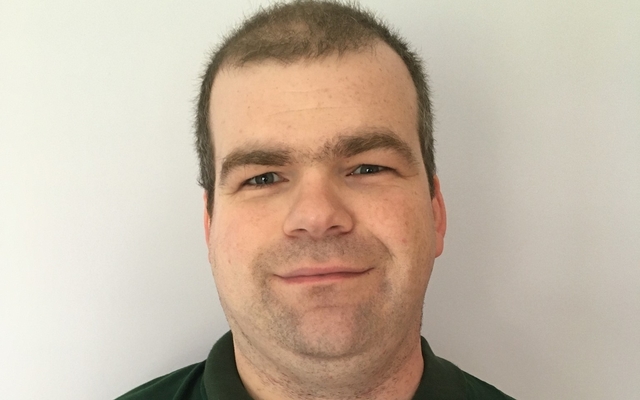
Michael McEwan
|
||
|
||
|
Journalist and campaigner Michael McEwan reports for healthandcare.scot on the impact that restricted carer hours have on people who want to go for a night out, and the campaign to end the early bed times for people whose carers go off shift at 10pm.
Going out to see bands and/or to the pub is part of everyday life for most.
But imagine leaving a venue on a night out at 9.30pm, when the main act is normally just coming on stage.
That regularly happens to people with a learning disability who may need support to go out.
A recent survey by social change charity Stay Up Late found many people with learning disabilities aren't able to lead full and active social lives, as their support worker shift ends at 10pm. So, they leave events by 9pm.
Stay Up Late campaigns for people to have the right to stay up late, have fun and choose how they live their lives.
The first time I was aware of this was a night out organised by Dates and Mates, a dating and friendship agency in Glasgow. A few years ago they started an inclusive club night called Late, held in a number of accessible venues in Glasgow city.
By 7.30pm the club was busy, but by 9.00pm it was quickly starting to empty.
Each time I went along, it kept happening, so I decided to do something about this.
I made contact with a few disability organisations in Scotland that might like to get involved in social change, then I approached the Stay Up Late UK team to start the campaign in Scotland. Four years ago we set up a national committee which, across UK, provides structure and momentum to our work.
We hold regular meetings in Aberdeen, Edinburgh and Glasgow, and work with people and organisations from across Scotland.
At the moment, because of Covid restrictions, we're meeting virtually over Zoom, though, just before this new way of working, we held a gig in Glasgow to raise awareness of the campaign and, of course, to have a great night out.
We held our first online event in May for Learning Disability Week, with two rooms on Zoom: one room for DJs and one room for bands.
Unlike previous venue events, the virtual rooms still had people in them right up to 4am the next day.
There were no support staff clocking off, no taxis waiting, no barriers to the night people want.
To continue our campaign during the pandemic we put our heads together to think outside the box, and we created a platform where everyone could stay up late at home, without any of the restrictions we campaign against.
We're working on a campaign at the moment called #Nobedtimes.
Support workers rush service users from a night out, to put them to bed before the end of their shift.
Our aim is to influence change for more flexible support hours or consideration of giving free time to enhance service users' quality of life.
We are working together to affect change. We want people to be able to lead the kind of social lives they want.
#Nobedtimes campaign was formally launched at a fundraising gig night in London in 2019. Many people turned up in pyjamas to say loudly and clearly "we don't want to go home, we want to stay up late".
Our next aim is to write to all councils, to encourage their social care teams to provide infrastructure that allows willing support providers flexibility in their rotas.
Stay Up Late UK will continue our campaign until everyone can live how they want to, and stay up late at night if they want.
Read Stay Up Late’s ‘Manifesto for an ordinary life’.
If you would like to find out more about stay up late, please go to the website: https://stayuplate.org/
Michael McEwan is a freelance journalist: www.michaelmcewanmedia.webs.com
Sign up to our bulletin for key health & social care updates straight to your inbox.
Tags: Learning Disabilities; Social Care. |
