|
3D printed PPE can offer greener alternative |
Related news‘Major’ update to One Health AMR register Children’s doctor new Chief Scientific Adviser Chief Medical Officer: ‘Critical connections’ priority Livingston-made vaccine gets UK green light Memorial for insulin pioneer unveiled in Aberdeen Four centuries of bringing life to Aberdeen Edinburgh IJB faces judicial review over cuts New Edinburgh hub set to transform global healthcare Edinburgh welcomes outdoor brain health centre Shocking levels of violence towards NHS staff NHS Lothian escalated over CAMHS performance Youth mental health pilot looks to the future 
|
|
|
||
|
||
|
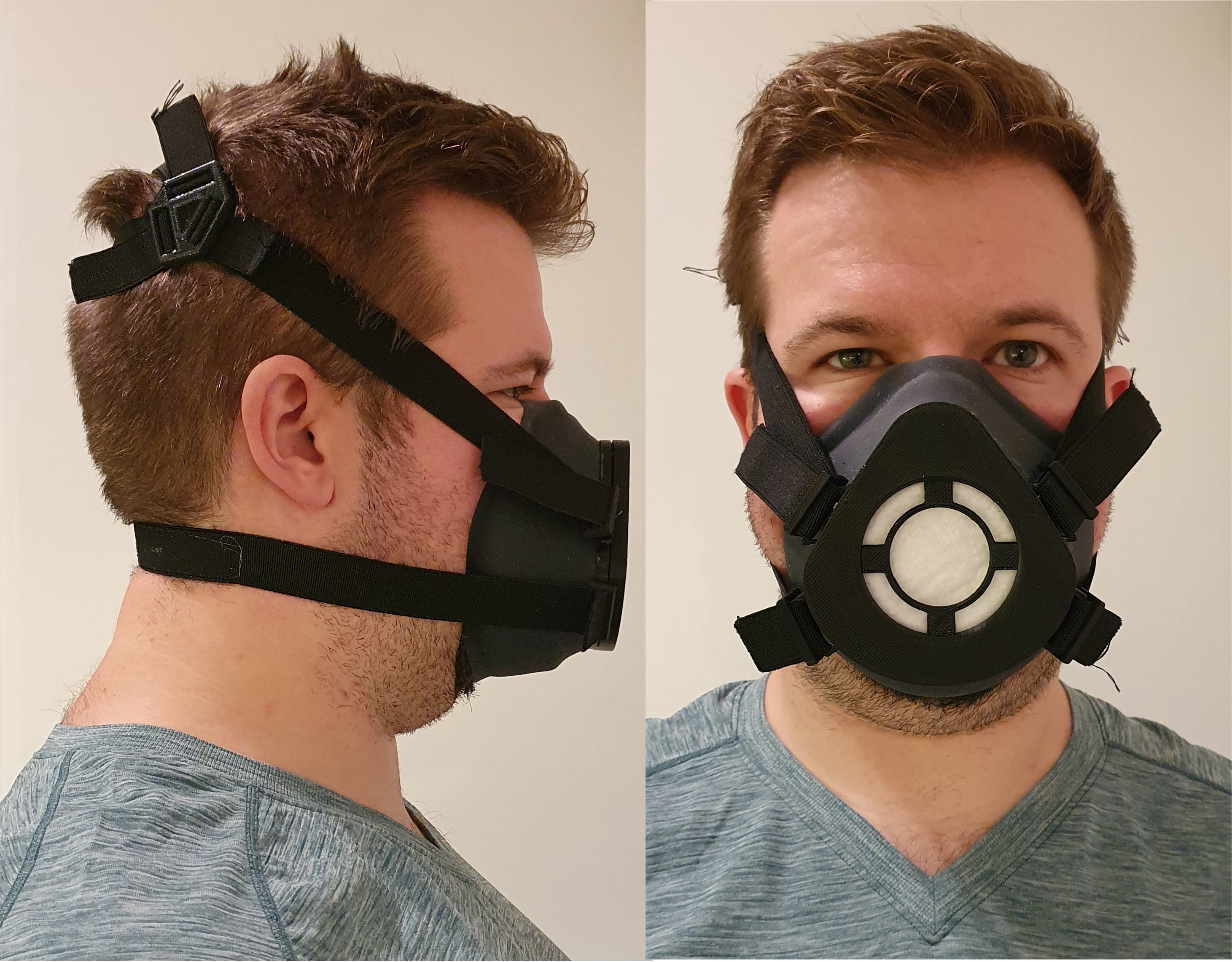
‘Custom fit’ facemasks made using 3D printers can offer healthcare workers a safe and environmentally friendly alternative to single-use masks, Scottish researchers have found.
Tests by a team at the University of Edinburgh found the tailored face coverings – which are made with 3D-printed components designed using photos taken on smartphones – provided the same level of protection as disposable masks.
They were also more likely to fit correctly, with nearly 90% of volunteer healthcare workers passing safety checks, compared to 75% for single-use masks.
Tests showed the masks could be easily decontaminated using household detergents or cleaning products routinely used in hospitals.
Researchers say the findings open the door to cheaper and more sustainable alternatives in any subsequent waves of the covid-19 pandemic and during future viruses.
Study leader Dr Adam Stokes, of the University of Edinburgh’s School of Engineering, said: “With this funding from the Chief Scientist Office, our team was able to design a new custom-fit and reusable facemask, to conduct a clinical trial, and to run virology assays for disinfection protocols.
“This project lays the groundwork for reusable PPE products that reduce the environmental impact from masks going to landfill, that enable resilience in the UK supply chain, and that meet the highest FFP3 standards as required by front line healthcare workers. This team drew on our expertise from engineering, clinical practice, and the private sector and we have developed, rapidly, a proven technology that could prove vital in saving lives and protecting the planet.”
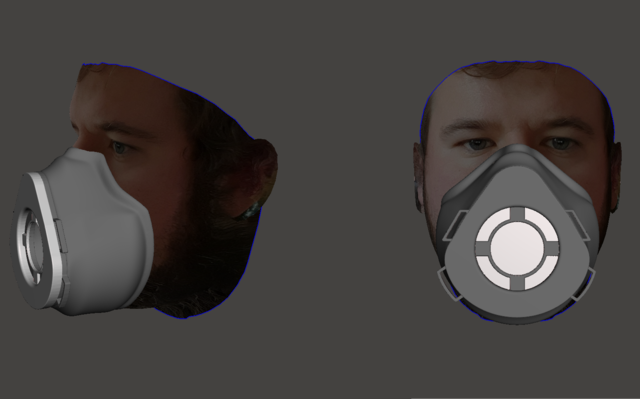
The team generated 3D images of participants’ faces using either a precision scanner or three pictures taken with a smartphone.
Using a computer programme, this information was then used to create moulds that precisely matched the contours of individuals’ faces.
The moulds were 3D-printed and used to make mask components made of silicone. The team assembled the final product using additional plastic parts and a filter section.
Read more: NHS ‘significant contributor’ to climate emergency; Patients get to see the person behind the mask; GP uses bra as face mask due to rural PPE shortage; Scottish teacher prints protective gear for NHS
|