|
Insight: Care homes key in preventative care |
Related newsIJB costs driving councils’ unsustainable funding gap Argyll & Bute appeals to ministers over care funding Politicians told: “Carers cannot wait” The case for a Highland weighting Care homes urged to act early on improvement National Care Service Forum 2025 
|
|
© Monkey Business
|
||
|
||
|
Delivering preventative, anticipatory care in Scotland before people reach crisis point is one of the key recommendations from Derek Feeley’s review of adult social care.
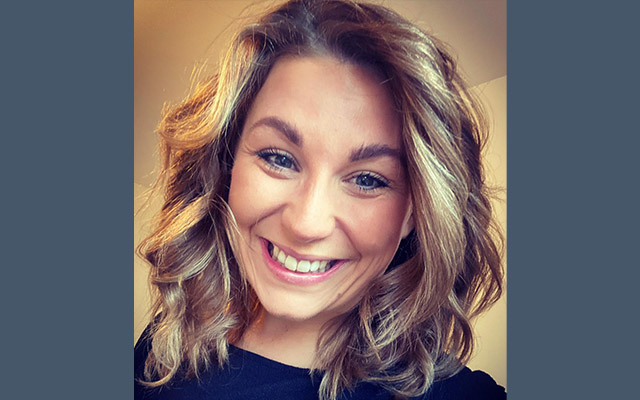
Highland care home owner Libby Eavis tells healthandcare.scot Scotland is still a “long way off” from getting to this point.
In the second part of our interview, Ms Eavis says care homes should not be forgotten in the push to preventative care – warning that supporting people in their own homes for longer comes with its own challenges.
“My understanding on the ground – and this isn’t a slight on the report because I think it highlights some great things – is that what they mean by preventative care is they are hoping they can prevent people from even having to need to go into a care home, and that they can support people at home more.”
“That absolutely has its place, the same way care homes have their place, but keeping people at home for longer can actually make it harder to transition into a care home.”
“And preventative care within a care home still isn’t accessible,” she adds. “We are paid the basics; to make sure someone has a meal, is washed and has their medication and so on.
"But we aren’t paid for the extra bits that we desperately want to be able to give and do give, but we aren’t paid to deliver that.”
“For us we have a lot of complex clients and some who can’t hear and so having a facemask on, sitting two metres apart – a visit under those circumstances can be more distressing than it is a positive or meaningful visit.”
One recent positive change has been the return of visitors to care homes. The impact on staff and residents has been “huge”, Ms Eavis says, but she thinks a mistake was made by implementing a blanket ban on visits.
“On our Grandview Facebook page there is a brilliant video of one of our clients seeing her son for the first time in a year. It was a surprise and it’s just the most amazing moment and that highlights the importance of those visits.
“Those kind of contact visits shouldn’t have been stopped for as long as they have. People haven’t been able to hug their husbands and wives or children for a year. It’s been just awful for residents, being locked in a home for a year and not even allowed to go down the high street.
“In my opinion, yes [visits] should have happened sooner. I think it should have been done on a case-by-case basis, individually risk assessed with families and the care homes, and for us we have a lot of complex clients and some who can’t hear and so having a facemask on, sitting two metres apart – a visit under those circumstances can be more distressing than it is a positive or meaningful visit.
“There are situations where you could risk assess to be slightly out the box but then if it went wrong there was no protection for the care home. There was no thought of this is what the client wants, this is what the family wants, the care home can support it so let’s go for it and make it as safe as possible.
“Care is supposed to be person-centred where the client still has a choice, and their human rights get completely discounted because all of their choices have been completely removed for the whole pandemic.
“We are all complaining because we can’t go out and see people, but these clients haven’t been out for 12 months.”
In May last year the Scottish government sought additional powers to intervene in care homes, including appointing NHS oversight teams that were to visit care homes on a regular basis.
These new lines of intervention have been “hit or miss”, according to Ms Eavis.
“In the midst of the pandemic we were all fighting in the dark…For me it has been helpful – there have been some rocky conversations but I’m sure I won’t be the only one – we are all trying to work through difficult situations.
“…I think what’s hard for providers like us where we are in our homes all of the time, is that we do know what’s best for our client group and staff, so it is difficult when you have public health dictating to you sometimes on things that are just not feasible.
“On the flipside of that though it has been helpful – the phone line that we have between us and them has been really useful for making joint decisions especially in really difficult situations where you have family wanting to visit a dying relative, but they are coming from abroad for example…They are key conversations to have with an outside voice as well.
“Joint decision making like that has worked really well but I think there are some areas for improvement – as there always is – where the NHS and public health need to stop thinking that they have all of the power – they need to remember that these are our businesses as well – it’s a difficult balance for both sides.”
“This should be a destination people want to come to because they love the community that is in there.”
It took just over six weeks for deaths in care homes related to covid to outstrip those in Scotland’s hospitals. Despite staff testing positive, Ms Eavis says residents have remained protected from covid in the two care homes she manages.
After a year of ‘firefighting’ because of issues with accessing and paying for additional PPE, protecting residents from covid as well as isolation, and the impact on staff who have had to step in more than ever before as surrogate family to residents unable to see their own loved ones, Ms Eavis says she still wants her care home to be a destination people want to arrive at.
“I think what’s difficult is that everything over the last twelve months has been a fire fight – from getting clients to be allowed to socialise together to payments – that takes away the enjoyment of the job because there are so many stresses and so much red tape.
“One of our staff said to me recently, when we were working in our Grandview home, that it should be a destination care home; people should want to come here.
“I think that is really crucial, that after that 12 months a senior nurse can still come and say to me that this should be a destination people want to come to because they love the community that is in there. I think that’s really important.”
Read more: Insight: Scapegoating care sector not the answer; NHS care home oversight plan published; Podcast: Councils play key role in health and care; Insight: valuing Scotland’s care workforce; Insight: The true cost of care
Sign up to our bulletin for key health & social care updates straight to your inbox. Tags: Older People; Social Care. |